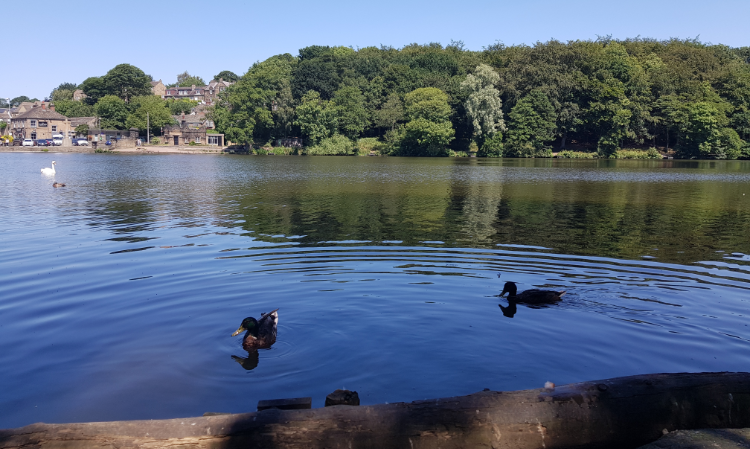
Tackling an Overgrown Canal for Tench in the Early Season
Tench are not a fish most Australian anglers chase daily, but pockets of stocked populations exist in the slow, weedy waterways of Victoria and Tasmania, and the principles of fishing overgrown canals transfer neatly to other species when conditions suit. Carp, in particular, behave in much the same way as tench when the water is clear and the banks are choked with reeds. Early season in the southern states means cool mornings, mild afternoons, and water that has only just begun to warm after winter.
An overgrown canal is less of an obstacle and more of a clue. The vegetation is where the fish feel safe, and the early part of the season is a brilliant time to target them before the surface growth gets truly unmanageable. This piece covers reading the water, choosing tackle that resists weed, picking bait, and approaching each swim with patience.
Spotting Where the Fish Are Holding
An overgrown canal rarely looks the same from one peg to the next, so the first job is to slow down and watch. In a typical Victorian slow-tide river, you will see gaps in the reeds where the flow slackens, overhanging trees, and sudden clearings that signal a deeper pocket. Tench, like carp, love a soft, silty bottom with cover above, so look for the spots where the surface is dotted with bubbles or the water is fractionally discoloured.
Local knowledge helps. Chatting to regulars at the local tackle shop — whether that is a country store in the Murray River region or a suburban outlet near the Yarra — will often point you towards swims that produce year after year. Australian anglers share information generously if you show respect for the water, and a quick yarn over a meat pie can save hours of fruitless casting.
Tackle That Handles the Weed
Fishing thick cover demands a simple, strong setup. A 12-foot feeder rod or a light Avon-style quiver tip rod is plenty for tench-sized fish, paired with a fixed-spool reel loaded with 8–10 lb monofilament. Keep the rig basic: a 6 lb hooklink, a size 12 or 14 hook, and a small inline feeder if you are baiting regularly. Lost feeders can be rinsed at the local tip after the trip, which is a minor blessing for the wallet.
Avoid rigs that rely on delicate presentations, because you will lose more tackle than fish otherwise. A paternoster-style rig with a boom that keeps the hook up off the debris is far more effective. If you want a refresher on the basics, this overview of understanding different bait presentations covers the core ideas that work across most coarse fishing situations.
Early Season Baits and Attraction
Tench respond well to natural offerings, and early in the year their appetites are only just waking up. Sweetcorn, lobworms, and bread flake are reliable standbys, and a few broken boilies ground into the feeder mix can pull fish into the swim. In Australian waters where tench share habitat with carp, the same baits work on both species, which is useful when you are unsure which one is patrolling the gap in the reeds.
Groundbait should be used sparingly in weedy water — a heavy, sticky mix that breaks down slowly will sit where you put it instead of drifting into the snags. A few small balls of brown crumb mixed with crushed hemp will keep the fish grubbing about without overfeeding them. For more on the approach to smaller species that respond to similar tactics, the roach fishing basics page is worth a look.
Approaching the Swim
Stealth matters more in the early season than it does in summer. The water is often gin-clear, the banks are quiet, and the fish have not seen many anglers since the previous autumn. Move slowly, crouch low where the bank allows, and keep your shadow off the swim. Casting from a seated platform or low chair makes a surprising difference.
Plumbing the depth is essential in an overgrown canal because the bottom contours change quickly. A simple lead dropped at varying distances will show you where the deeper silt lies, and that is usually where tench are feeding. Mark the spot with a distant landmark so you can hit it again after recasting.
Matching Conditions Down Under
In Australia, the early season lines up with autumn on the eastern seaboard and spring in the southern capitals, which can confuse visiting anglers. Sydney and Brisbane see cooler water from May through August, while Melbourne and Hobart are warming up nicely. Check the Bureau of Meteorology forecast for wind and rain, and time your trip for a settled spell with a slight breeze.
Local regulations vary between states, so a current Victorian or Tasmanian fishing licence is non-negotiable before you set up. Size and bag limits for tench are minimal in most jurisdictions because the species is not widespread, but treating every fish with respect and returning it quickly keeps the water healthy. If you are planning a trip across the country, it is worth setting aside a budget for fuel, bait, and the inevitable replacement feeder you will lose in the reeds.
Practical Tips for the Session
- Keep the feeder light and the hooklink fine enough to feel the bites.
- Pack a landing net with a long handle so you can reach into the cut.
- Bring several kilos of loosefed sweetcorn to hold fish in the swim.
- Use a disgorger and keep hooks sharp for a quick, clean release.
- Wear dull clothing and avoid white shirts that spook fish in clear water.
- Move every hour if the swim goes dead, and revisit your best-looking peg later in the day.
- Carry a small first-aid kit and plenty of water — Australian conditions can catch out visitors from cooler climates.
The next time you pass an overgrown stretch of canal, stop the car and walk the bank for ten minutes before driving on. You will almost certainly spot a swim worth fishing, and that single half-hour of reconnaissance will tell you more about the water than any article ever could.