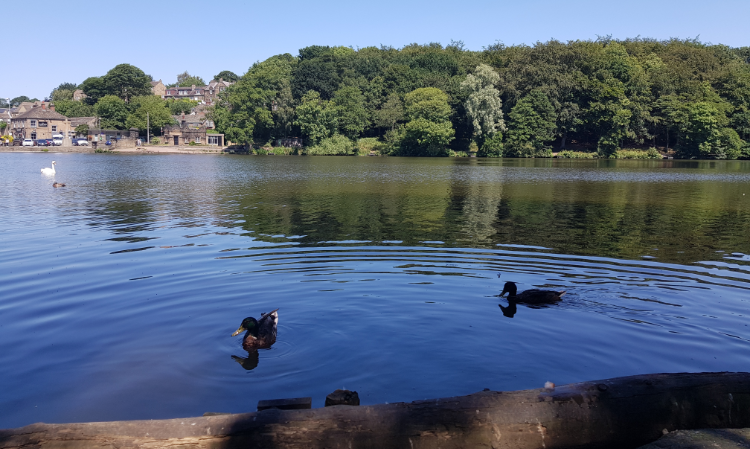
Catching Roach In A Clear River During Early Spring
Early spring can be a rewarding time to target roach, especially when a clear river begins to warm after a cold winter. The fish may still feed cautiously, but they often gather in predictable areas where gentle flow, cover and available food come together.
Light tackle, accurate feeding and quiet bank work are more important than casting long distances. Roach have excellent eyesight in clear water, so a natural bait and delicate presentation will usually outfish a heavy rig.
Before fishing, check the local regulations and close-season rules. Many UK rivers have a coarse fish close season from 15 March to 15 June, although local bylaws can differ. Always confirm that your chosen stretch is legally open.
Find The Best Spring Water
Look for steady, comfortable flow rather than the fastest water. Roach often hold along the crease between a main current and a slower margin, particularly where depth increases slightly. The inside of a bend, the downstream side of a tree, and the edge of reed growth can all provide useful features.
Clear rivers reward careful observation. Spend several minutes watching for tiny flashes, dimpling fish, or drifting debris collecting in a slack. If the river has risen and coloured after rain, roach may move closer to the bank, but bright, settled conditions usually call for a more cautious approach.
Depth is often more valuable than distance. A run of four to six feet with a clean gravel or silt bottom can be excellent, especially if it allows a float to travel naturally without constantly catching weed.
Choose A Delicate Rig
A fine float is ideal for presenting maggots, casters or a single grain of sweetcorn. Use a slim-bodied stick float in steady flow, or a small waggler when fishing a wider, calmer glide. Keep the shotting soft and spread enough to let the bait fall naturally through the water.
For a typical early-season setup, a 14 or 16 hook tied to a fine nylon hooklength is a sensible starting point. Use the lightest line that conditions allow, often around 0.10mm to 0.12mm for the hooklength. If the river contains larger fish or snags, increase the strength slightly rather than risking repeated break-offs.
A small feeder can work when wind or depth makes float control difficult. Practical tackle choices are collected among these recommended products, but keep the final setup matched to the river rather than choosing equipment simply because it is powerful.
Feed Little And Often
Roach respond well to regular, modest feeding. Begin with a few maggots or casters and watch how the fish react before adding more. In cold water, a dozen free offerings at a time may be enough to keep fish interested without filling them.
Fine liquidised bread, brown crumb and a small amount of chopped worm can form an effective groundbait mix. Avoid heavily flavoured or oily ingredients in clear, cold water. The aim is to create a small food trail, not a large carpet of feed.
Feed slightly upstream so particles reach the float line naturally. If bites become smaller or stop altogether, reduce the amount rather than immediately changing swims. Roach can drift away from an overfed area just as quickly as they arrive.
| River condition | Useful presentation | Starting bait |
|---|---|---|
| Clear and low | Light stick float | Single maggot or caster |
| Steady depth | Waggler or float-fished feeder | Two maggots |
| Coloured after rain | Heavier float | Worm piece or double maggot |
| Windy or deep | Small feeder | Bread punch or maggot |
Present Baits Naturally
A single red or bronze maggot is a reliable starting bait, while two maggots can tempt better fish when the river is carrying a little colour. Caster is often excellent in clear water because it looks less conspicuous than a lively bait moving unnaturally above the bottom.
Bread punch can be particularly effective over a clean riverbed. Pinch a small piece onto a fine hook and allow it to travel just above or along the bottom. In very clear conditions, a tiny bait can appear more convincing than a large mouthful.
Try laying a small amount of line on the surface if the current is pulling the float too quickly. This can slow the rig and keep the hook bait in the feeding zone. Striking should be controlled rather than violent, as small hooks can straighten or pull free.
Stay Quiet And Mobile
Approach the bank slowly and keep a low profile. Avoid stamping near the edge, dropping tackle onto the ground, or repeatedly casting through the same area while searching. Polarised glasses help reveal weed, depth changes and occasional fish movement without requiring unnecessary casts.
If the first swim produces no signs after careful feeding, move a short distance rather than doubling the feed. Roach may be concentrated in one small pocket of slower water, particularly when overnight temperatures have been low.
When using a feeder, choose a rod with enough sensitivity to show light bites without feeling cumbersome. A selection of feeder rods can help compare suitable options, but a light quivertip and accurate casting matter more than maximum casting weight.
Simple Decisions That Improve Results
Successful river roach fishing often comes from making small adjustments instead of changing everything at once. Alter the depth by a few inches, shorten the hooklength, or switch from loose-fed maggot to caster and observe the response.
Keep notes about water level, weather, depth, bait and the exact location of bites. Patterns become easier to recognise across the season, and a swim that appears quiet in bright morning light may produce later as temperatures rise.
- Start with a light rig and increase weight only when flow demands it.
- Feed tiny amounts regularly, especially in cold, clear water.
- Fish the bottom or just above it before experimenting higher in the water.
- Carry maggot, caster, bread punch and a small amount of worm.
- Rest a productive swim occasionally so fish can settle.
Early spring roach fishing rewards patience, precision and restraint. Prepare a quiet approach, read the river carefully and make each cast serve a purpose. With a fine presentation and controlled feeding, even a clear, chilly river can produce a memorable session.