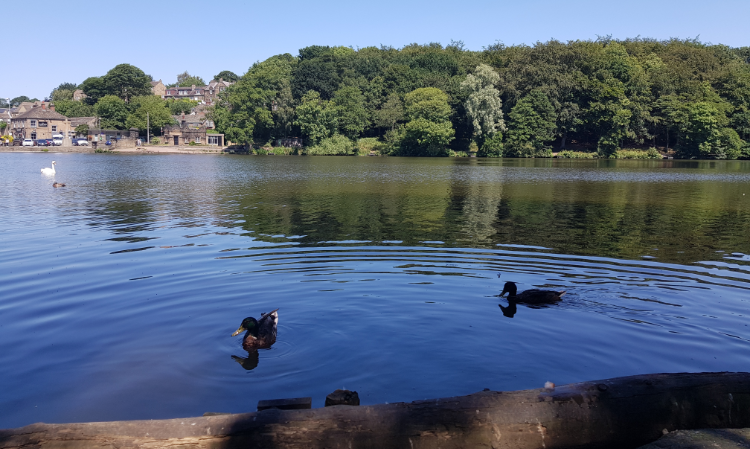
How to catch fish feeding in the upper layers
Fish are not always searching the bottom for food. On warm, calm days, roach, rudd, carp, skimmers and even tench may rise to intercept insects, falling particles or bait suspended in the water. When this happens, a standard bottom rig can sit untouched while visible activity takes place several feet above it.
The key is to treat the upper layers as a separate fishing situation. Watch where the fish are moving, test the depth methodically and offer bait at the same level without creating too much disturbance. A few small adjustments can turn a quiet session into consistent sport.
Read the signs before changing rigs
Look for swirls, dimples, flashes, bow waves and insects being disturbed. Rudd often show themselves close to the surface, while carp may cruise just under it with their backs or tails breaking the water. Roach can be harder to spot, but regular tiny bubbles or intercepting loose feed can reveal their position.
Wind also gives useful information. A light ripple may push natural food and floating particles towards one bank, concentrating fish in the upper water. Cast or fish slightly upwind where possible, but avoid rushing into a shoal. Fish feeding high can be particularly wary of movement and heavy tackle.
Find the feeding depth
Begin by setting the hook bait around halfway down rather than immediately fishing on the surface. Feed a few maggots, casters or small pellets and watch when they disappear. If they are intercepted before reaching your float, shorten the rig. If they fall through untouched, try a little deeper.
A simple lift-and-drop test is useful when the fish are not visible. Lower the bait in stages and pause at each depth. Bites that occur as the bait falls indicate that fish are spread through the water column, while bites only at one level suggest a concentrated feeding band.
Surface fishing can be exciting, but it is not always the best first option. A bait set a few inches below the surface is often easier for fish to take confidently and gives the angler more control over a moving rig.
Match the method to the water
A float is usually the most flexible approach when fish are suspended. A waggler allows you to cover open water and search different depths, while a pole gives precise control close to the bank or over a carefully fed line. Keep shotting light so the bait falls naturally rather than plunging below the fish.
| Situation | Useful approach | Bait and feeding idea |
|---|---|---|
| Rudd close to the surface | Light waggler or shallow pole rig | Loose maggots, casters or small floating pellets |
| Roach intercepting falling bait | Fine float rig set mid-water | A few maggots or hemp grains at regular intervals |
| Carp cruising near the top | Surface or shallow float fishing | Floating dog biscuit, bread or small pellets |
| Wind pushing food towards the margin | Pole or short-range float | Small feed offerings tight to the shelf |
| Fish rising but refusing bait | Longer hook link and finer hook | Reduce feed and use a single natural bait |
Use a stable float that can be seen without requiring excessive shot. The float rod range can help when choosing a suitable rod for accurate casting and delicate presentation.
Feed little and watch closely
Upper-layer fish often respond quickly to loose feed, but they can also become preoccupied or suspicious if too much food is introduced. Start with three or four particles, then wait. If fish compete for them, repeat the small feed every few minutes rather than throwing in a large handful.
Matching the free offerings to the hook bait is important. A single maggot among loose maggots looks natural, while a small pellet works best when similar pellets are falling around it. When using bread or biscuit for carp, keep the hook concealed without making the bait too large for the fish present.
Avoid feeding directly on top of the float if the water is clear. Introduce bait slightly beyond the target and allow it to drift into the feeding area. This can keep fish settled and makes the hook bait appear part of the same trail.
Keep the rig light and controlled
Use the lightest line and hook that conditions allow, especially for silverfish. A small hook, fine hook length and carefully balanced float improve the fall of the bait. For carp, stronger tackle is necessary, but the presentation can still be subtle with a short hair or a lightly mounted surface bait.
Pole fishing is excellent when the fish are shallow near marginal cover. The recommended fishing poles provide a useful starting point for anglers comparing pole styles, sections and general versatility.
Strike smoothly rather than lifting violently. A shallow hook often catches fish in the lip, and an aggressive strike can pull the bait away or cause a hooked carp to bolt through the shoal.
Adjustments worth making during a session
Conditions can change quickly. Cloud cover may push fish lower, bright sunlight may send them tighter to cover and a strengthening wind can move feeding activity towards the downwind side. Keep testing rather than assuming the first productive depth will remain correct all day.
- Shorten the hook depth when loose feed is intercepted on the way down.
- Switch to a finer hook length if fish follow bait but avoid taking it.
- Feed smaller amounts more frequently when the shoal becomes unsettled.
- Move towards cover or a windward margin where natural food is collecting.
- Return to a deeper setting if surface activity fades or bites become doubtful.
The best approach is to make one change at a time and note what happens. That makes it easier to identify whether depth, bait, feed rate or tackle caused the improvement.
Spend a few minutes observing before casting, then build the swim gradually with accurate, restrained feeding. With practice, those swirls and rising fish will become useful signals rather than distractions, and you will be ready to change depth before the opportunity disappears.