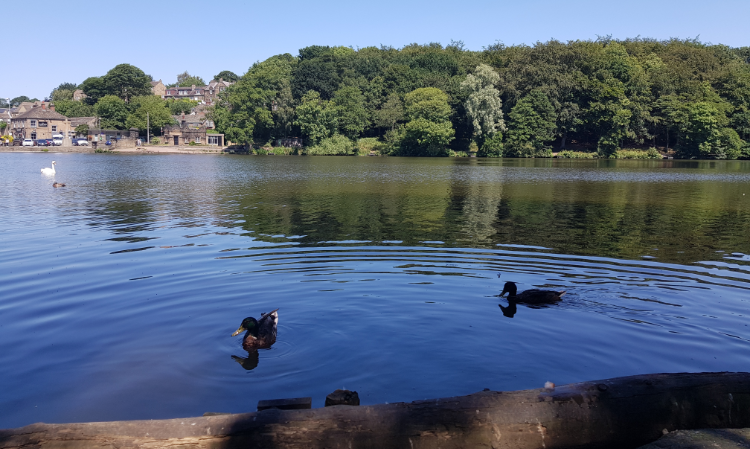
Using bread flake for surface fishing for carp
Bread is one of the simplest baits for catching carp from the surface. It is inexpensive, easy to carry and highly visible when a fish is prepared to feed in the upper layers. A small piece of soft bread flake can look more natural than a brightly coloured artificial bait, particularly on calm canals and clear lakes.
Surface fishing demands observation rather than constant casting. Carp may reveal themselves by swirls, bow waves, bubbles or the sudden disappearance of floating bread. The best results usually come from watching the water, introducing very little feed and presenting the hook bait where a carp already feels comfortable.
Finding carp that are ready to feed
Look first in the margins, around reed beds, beneath overhanging trees and along warm, sheltered edges. Carp often patrol these areas in the morning and late afternoon, especially when the water is calm. On canals, boats, towpath activity and shade can push fish into quieter corners.
A carp that is actively taking loose bread is worth targeting. Avoid casting repeatedly at fish that are merely cruising, as the splash and disturbance can send them away. Wait until a fish has settled and is confidently eating before placing the bait.
Preparing a natural bread bait
Use fresh white or brown bread with a soft, springy centre. Tear away a piece of crust and pinch the flake gently around the hook shank, leaving the point exposed. A piece about the size of a small pea is often enough for shy carp, while larger fish may take a bigger morsel.
Do not compress the bread into a hard lump. It should remain light enough to float and soft enough to collapse naturally when a carp sucks it in. If the flake is too loose, dampen your fingers slightly before moulding it. Fresh bread is generally easier to work with than dry, crumbly slices.
Choosing tackle for a controlled presentation
A light surface setup gives better control and makes the bait look less obvious. Use a soft rod around 10 to 12 feet long, a small fixed-spool reel and strong, low-diameter monofilament. Six to eight pounds breaking strain is suitable for many commercial fisheries, although heavier line is sensible near snags and dense weed.
A size 8 to 12 wide-gape hook works well with bread flake. Tie it directly to the main line for a simple freelined presentation, or use a small controller float when extra casting distance is needed. Anglers using a pole should choose elastic that cushions sudden lunges; this guide to canal fishing pole elastic explains why a balanced setup matters.
| Presentation | Best use | Main advantage | Common mistake |
|---|---|---|---|
| Freelined bread | Close margins and calm water | Very natural fall | Using line that sinks too quickly |
| Small controller float | Longer casts | Improves distance and visibility | Allowing the float to drag the bait |
| Pole and short line | Tight margins | Precise placement | Fishing too close to snags |
| Surface feeder approach | Scattered feeding fish | Draws carp into an area | Introducing too much bread |
Feeding without frightening the fish
Start with two or three small pieces of floating bread. Throw them short of the target so they drift naturally towards the carp. If the fish takes them confidently, add the hook bait to the edge of the feeding area rather than dropping it directly on a fish’s head.
Wind can help move bread across a swim, but strong gusts make accurate presentation difficult. Cast beyond the feeding zone and draw the bait into position if necessary. Keep the line off the surface where possible, and avoid repeatedly lifting the rod tip, as movement can make the bread appear unnatural.
Striking and playing the fish
Watch the bait rather than striking at the first swirl. Carp often mouth bread several times before taking it properly. When the flake disappears and the line tightens, lift the rod smoothly and firmly. A sharp strike can pull the hook from the soft bait or cause a hooked fish to bolt immediately.
Keep the rod high during the first run, then steer the carp away from reeds, roots and weed. Check that the landing net, unhooking mat and forceps are ready before casting. Sensible carp tackle recommendations can be found among these recommended fishing products, although always match any choice to the venue and fish size.
Simple habits that improve results
Small details often make surface fishing more consistent:
- Carry several slices of fresh bread in a sealed bag to prevent drying.
- Use polarised glasses to spot cruising carp and judge takes more clearly.
- Pinch the flake lightly and leave the hook point completely clear.
- Feed sparingly, then wait for confident surface activity.
- Wet the landing net and unhooking mat before handling the fish.
Bread fishing is especially effective when the water is warm and carp are visibly looking upwards, but it can also work on overcast days when floating food remains easy to see. Keep disturbance low, follow the fishery’s bait rules and return each carp carefully.
Take a fresh loaf, a simple hook setup and enough patience for the next session. By matching the size of the bread to the carp’s confidence and placing it among naturally drifting free offerings, you can turn a quiet margin into a highly effective surface swim.