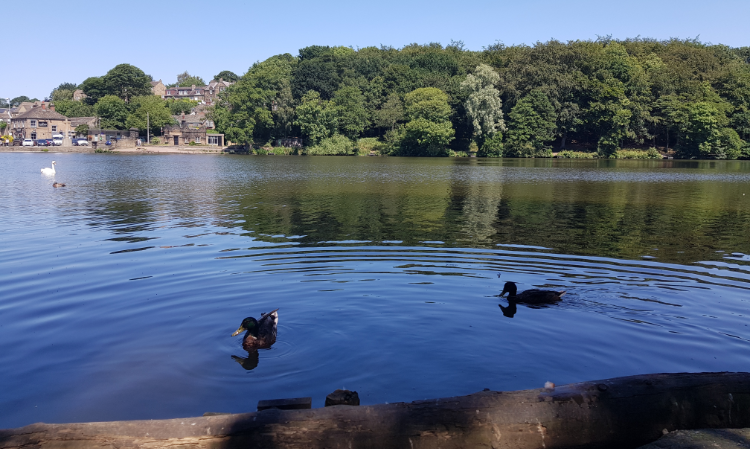
Using a small quill float for ultra shy roach on Australian lakes
Ultra shy roach punish a rig that is technically sound but visually heavy. A small quill float can reveal a faint lift or nibble, provided the line, hook and bait are equally restrained.
For Australian anglers, there is an important ecological difference: European roach is not native here, so the target fish may belong to a stocked, club-managed or feral population. Check the controlling state agency, bait rules and any local conditions before fishing.
Rules and access can differ sharply between Melbourne’s Yarra, Canberra’s Lake Burley Griffin and Sydney’s Hawkesbury catchment. Southern Australia’s June-to-August winter often suits roach better than summer, although water temperature and weather remain more useful than the calendar.
The practical answer is a light static rig, measured feeding and a float set accurately enough that every movement means something. Fine hooks and leaders are easy to find at Melbourne and Sydney tackle counters, while specialist quill floats may come through importers or online sellers.
Why a quill float suits cautious roach
A quill float has a slender stem and sensitive tip rather than a deep, forgiving body. That shape shows tiny changes in pressure as a roach lifts, taps or inspects the bait.
A conventional waggler may be easier to see, but its larger silhouette and stronger buoyancy can hide the earliest signal. On a calm, clear lake, the quill’s delicacy is valuable; in wind or chop, a slightly larger float may give a more honest picture.
Finding where the fish are holding
Work close to features that create variation rather than casting at featureless open water. Reed edges, overhanging branches, patches of weed, submerged shelves and the seam beside deeper water all provide cover and a food supply.
Look for the flick of a tail or the slight bow of a lily pad. Fish often suspend in clear water, so arrive early, use polarising glasses and make the first few casts quiet. Before travelling, compare regional angling notes with the official venue rules, as access and bait restrictions differ.
Setting the depth with a light rig
Use 0.20–0.24 mm mainline, a 150–250 mm hooklength of 0.12–0.16 mm fluorocarbon and a size 16 or 18 fine-wire hook. A small swivel can prevent line twist, while a short length of stiff tube beside the hook protects the delicate leader from abrasion.
Set the depth by counting wraps, then verify it in clear water. For lift fishing, give the hooklength roughly its own length of extra slack and wait for the float to dip and its quill to sink before striking. A feeding with a spod setup spreads bait efficiently across open water, but it is too broad and noisy beside a tightly grouped, cautious shoal.
Comparing the most suitable floats
Float choice changes how the bite is read. Match the smallest option that will carry the rig and remain visible to the angler.
| Float option | Bite sensitivity | Visibility | Best use | Main watch point |
|---|---|---|---|---|
| Small quill float | Very high | Low to moderate | Calm water and ultra shy roach | Can be hard to see in bright glare |
| Fine waggler | Good | Good | Light chop and steadier conditions | Heavier outline can mask nibbles |
| Slurpy or foam float | Lower | High | Wind, waves and mixed feeding | Can conceal delicate bites |
A quill remains the best first choice when the lake is calm and the fish are ultra shy. If the float is difficult to see, mark its tip rather than making it carry extra weight. Move to a small waggler only when the conditions genuinely demand one.
Baiting and feeding without pressure
Australian anglers have easy access to fresh prawn, and many bait suppliers sell maggots where regulations allow them. Use one small maggot or a tiny piece of prawn; an oversized strip, sweetcorn or paste bait can give the fish away immediately.
Feed little and often, using baiting by cupping to place small pinches around the float rather than building a heavy patch. Pause after each pinch and watch for fish following the bait before tightening the presentation.
A dependable session checklist
The rig should be checked at the bank, not discovered halfway through the session. A short checklist reduces noise, line movement and unnecessary handling.
- Choose a 1.5 mm-class quill and set it to its stated float rating rather than guessing at depth.
- Check the depth clearly, then leave enough slack for a lift to register before the line pulls.
- Keep the hooklength at 150–250 mm and use a size 16 or 18 fine-wire hook.
- Use one small bait, make each feed pinch modest and pause long enough for the shoal to regain confidence.
- Watch the quill rather than the body, striking after a definite dip, sideways move or full sinking.
- Recheck the depth after a wind change and move quietly if the fish leave instead of increasing the feed.
The final item is fish care. Use a soft, wet release and retain the hook until it has been removed. Local rules may require barbless hooks, impose catch limits or require the fish to be returned immediately.
Keeping the session under control
Wind is the usual reason anglers abandon a sensitive float. Move behind a bush, use a groundbait rod or pole for accurate placement, and choose a sheltered bank before changing to a bulkier float.
Tie everything together with restraint: fine line, small bait, measured feed, accurate depth and patience. The lesson to remember is that a small quill float does not make shy roach bold; it lets the angler recognise the confidence they already show.