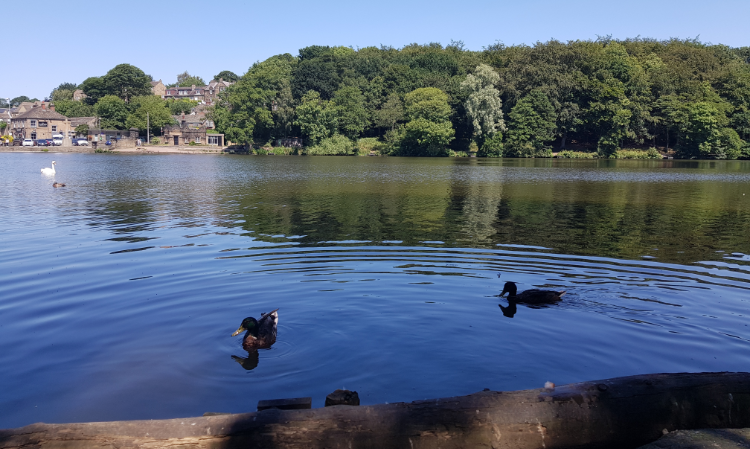
Small spinner baits for perch in tree-lined pits down under
Perch drive you crackers when they're on the chew and vanish the second your tactics go stale. In tree-lined pits, a small spinner bait often produces bites where static baits draw blanks. Across Australia's south, the same fish UK anglers pursue are well established as noxious redfin, and the spinner approach works in a flooded quarry near Ballarat as well as in a quiet English lake.
If you're new to perch, they're a punchy little predator with a taste for small fish, shrimp, and insects. They hunt almost entirely by sight, which makes them perfect targets for a moving lure. A compact spinner fished tight to cover lets you probe the pockets where bigger specimens lurk without spending hours waiting for a static bait to get noticed.
Why tree-lined spots hold the fish
Perch love structure, and tree-lined pits offer exactly what they're looking for: shade, ambush points, and a steady supply of prey. Overhanging branches create dark zones where small roach, gudgeon, and shrimp gather, which in turn pulls hunting perch right into the margins. Along the Glenelg River and around the backwaters near Lake Wendouree, you'll spot these tight pockets holding better fish, particularly on a calm arvo with little surface disturbance.
The broken light under a canopy plays into how perch hunt. They key in on contrast and sudden flash, which is what a small spinner delivers. As the blade tumbles through dappled shadows, it copies a wounded baitfish. When wind chop breaks up the surface, that flash becomes a beacon.
Picking a compact spinner
Size 1 and Size 2 spinners are the sweet spot for perch, though you can stretch to a Size 3 in warmer, deeper pits when bigger golden perch are around. A 4-7 gram weight lands softly enough to drop into the margins, and the slower retrieve gives perch a target they can catch up to. For colour, contrast beats subtlety in stained water: a copper blade with a black-and-chartreuse body is a classic combo across Victorian and Tasmanian venues.
When choosing your outfit, choosing the right 3 comes down to matching blade size to water clarity and target weight. Most Aussie tackle shops, including BCF stores and Tackle World franchises, stock European-pattern spinners. Online ordering is quick through the major Aussie distributors.
Working the lure tight to cover
Casting accuracy matters more than distance in tree-lined pits. A short, sharp cast to the edge of a shaded pocket, then a slow retrieve back past the snags, triggers follows from fish holding deep in cover. Let the spinner tick along just above any sunken branches, and pause when it crosses a clearer zone. Perch often strike on the drop or the pause, when the lure looks like an injured fish fluttering downward.
Colour choice is partly personal too. She runs a style blog and reckons I spend longer matching spinner colours to conditions than she does picking an outfit. Contrast against the background reads better than blending in.
Tuning tactics through the seasons
Across southern Australia, perch feed hardest in the cooler months from late autumn through early spring, when water temps sit between 12 and 18 degrees. Summer fishing is best at first light or late in the arvo, when perch move into the shade. Winter sessions around the Murray tend to produce bigger redfin-blackened slabs. Plan your trips around the best times for perch and you'll save plenty of fruitless hours.
Tackle setup and local buying habits
A 6-7 foot light spin rod rated 1-7 grams pairs perfectly with a 1000-size reel spooled with 4-6 pound braid and a 2-3 foot fluorocarbon leader. Light braid gives you the sensitivity to feel blade spin and the strength to bully a perch out of snags. Keep a pair of forceps handy for hook removal, especially when fishing near submerged timber.
Before you wet a line, check your state's licence rules. Victorian anglers need a Recfishing Licence, while South Australian and NSW residents need their own permits. A check on your state website keeps you legal and helps fund the restocking programs.
Common pitfalls to avoid
The biggest mistake is fishing too fast. Spinners need a slow, steady retrieve that lets the blade flash and pulse. Another classic error is casting too close to overhanging branches and getting snagged on the first retrieve. Aim slightly ahead of the structure instead.
Don't overlook the smallest fish in the swim either. Tiny perch and juveniles will still hammer a small spinner, and catching a few sprats first often draws the bigger fish out from the snags. Persist with the same pattern and larger specimens usually turn up within an hour or two.
| Spinner Size | Best Water Clarity | Ideal Weight | Target Fish |
|---|---|---|---|
| Size 1 | Clear to slightly stained | 3-5 g | Small perch, juvenile redfin |
| Size 2 | Lightly stained, dappled shade | 4-7 g | Average perch, mixed redfin |
| Size 3 | Heavily stained or deep | 7-12 g | Trophy perch, golden perch |
Worth a road trip with a small spinner rod:
- Backwaters of the Glenelg River in western Victoria
- Flooded quarry holes near Ballarat with red gum timber
- Irrigation channels off the Murray River near Mildura
- Tree-fringed farm dams in the Southern Tablelands
- Shaded stretches of the Brisbane River around Ipswich
Spinner colour picks for shaded Aussie pits:
- Copper blade and black-chartreuse body in tannin-stained water
- Silver blade with perch-pattern body in clear, sunny conditions
- Gold blade with fluorescent orange in deep, overcast weather
- Black blade with natural baitfish pattern at first light or dusk
- Brass blade with white body when chasing bigger golden perch
A small spinner fished slowly around cover outfishes static rigs when perch are on the move in tree-lined pits. Match the spinner size to the water, keep your retrieve steady, and time your trips for the cooler months or low-light windows. Once dialed in, you'll find perch tucked tight against the timber in places most anglers overlook.