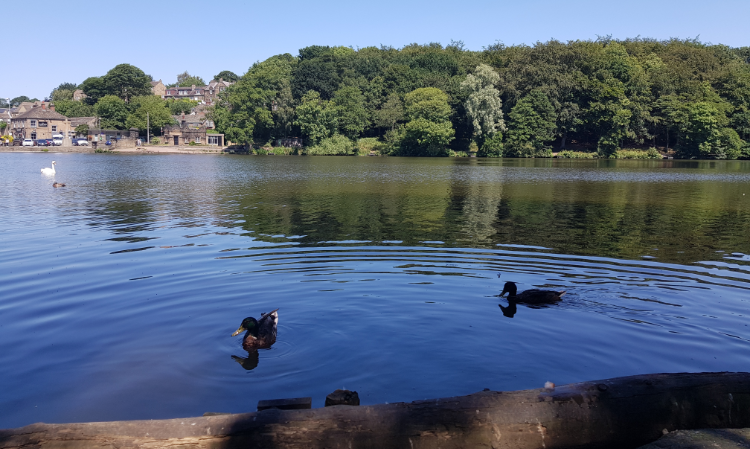
Using a Running Rig for Cautious Bream in Stillwater
Bream can feed confidently in stillwaters, yet clear water, angling pressure, bright conditions and poor presentation quickly make them cautious. A running rig gives a bream the freedom to move away with the bait before the quivertip registers the bite, reducing resistance from the feeder or lead.
This approach suits quiet lakes, gravel pits, estate waters and commercial fisheries where bream patrol predictable areas. It is especially useful when fish are feeding lightly on bloodworm, casters, pellets or small particles rather than competing aggressively for a large bed of bait.
The rig is simple, but its success depends on balance. Fine line, a soft hooklength, a sensitive feeder tip and regular, accurate casting will usually matter more than adding extra components.
Why a running rig works
In a fixed feeder arrangement, a bream can feel resistance as soon as it picks up the hook bait. A running setup allows the feeder link to slide along the main line, so the fish can move naturally. The quivertip then shows a lift, pull or series of tremors as the line tightens.
This freedom is valuable when bream are feeding with their heads down and moving slowly between small patches of groundbait. The rig also helps identify delicate bites that might be masked by a heavy feeder or an over-tightened line.
A running rig is not a cure for every difficult session. If the line is bowing in a strong crosswind, the feeder is too heavy or the hook bait is buried, bite detection will still suffer. Good presentation begins with choosing the right swim and casting accurately.
Building the basic setup
Thread the main line through a running feeder link or use an inline open-end feeder with a free-running sleeve. Add a small bead below the feeder to protect the knot, then tie on a size 14 to 18 swivel. Attach a hooklength of roughly 30 to 60 centimetres, adjusting its length according to the fish's confidence.
For most stillwaters, 0.16 to 0.20mm main line and a 0.10 to 0.14mm hooklength provide a useful starting point. Use a fine-wire hook matched to the bait. A size 16 is versatile for double maggot, caster or a single grain of sweetcorn, while a size 14 gives better security with larger baits.
Keep the rig free-running but safe. Avoid unnecessary knots, dangling beads and fixed backstops that prevent the feeder from sliding. Check that the line can pass smoothly through every component before fishing.
Matching tackle to the swim
A 10 to 12ft feeder rod with a sensitive glass or carbon quivertip is suitable for many bream waters. Choose the lightest tip that will hold the feeder steady in the conditions. Heavy tackle can overpower a small hooklength and make cautious bites difficult to interpret.
Anglers who prefer a float approach for close-range work can compare suitable options in these float rod choices, but a feeder rod is generally more practical when the fish are beyond comfortable pole or waggler range.
Use a reel with a smooth clutch and fill it evenly with line. A shallow spool can improve casting with light feeders, while a larger spool may help when fishing at distance. The rod should be rested low and aligned with the cast, limiting sideways line movement.
| Component | Practical starting point | When to adjust |
|---|---|---|
| Main line | 0.16–0.20mm mono | Finer in clear, calm water; stronger near snags |
| Hooklength | 30–60cm, 0.10–0.14mm | Lengthen for shy fish or shorten for positive bites |
| Hook | Size 14–18 fine wire | Match the hook to bait size |
| Feeder | Small open-end or cage feeder | Increase weight only enough for accurate casting |
| Quivertip | Light or medium | Use a heavier tip in wind or flow |
| Bait | Maggot, caster, worm, pellet or corn | Change size and colour when bites fade |
Finding bream on stillwater
Look for a clean area near a bar, shelf, island, reed line or the bottom of a slope. Bream often travel along these features rather than spreading evenly across a lake. Plumbing the depth first helps locate firm bottom and avoids presenting the bait in thick silt or dense weed.
A useful comparison is river fishing, where current and underwater features dictate the feed line; the advice in this barbel river guide illustrates how carefully reading a venue influences rig choice. In a stillwater, the equivalent task is finding a repeatable casting line and watching where bubbles, clouded water or rolling fish appear.
Once a likely area is found, clip up carefully and cast several feeders to the same spot. Accuracy creates a compact feeding zone, while scattered casts can leave the bream searching over too wide an area.
Feeding and presenting the bait
Start with a small amount of groundbait, softened pellets or particles in the feeder. The aim is to create interest without filling the fish. In cold or pressured conditions, a few maggots and a modest amount of fine groundbait may be more effective than a large, sweet mix.
Let the feeder settle, tighten until the quivertip bends slightly and keep the rod still. Recast at measured intervals if there is no activity, but avoid constant disturbance. When bites begin, feed little and often rather than automatically increasing the amount.
Try a single maggot, two casters, a small worm section or a grain of corn. If the tip trembles but does not develop, shorten the hooklength slightly or reduce the hook size. If fish are lifting the bait and dropping it, lengthen the hooklength and use a lighter feeder.
Practical checks before casting
- Test that the feeder slides freely along the main line.
- Use the lightest feeder that reaches the target accurately.
- Plumb the depth and identify a firm, clean patch.
- Cast consistently with the line clipped at a safe distance.
- Change hooklength length before changing the entire rig.
- Keep the landing net ready, as bream often make a final surge near the bank.
A running rig rewards patience and small adjustments. Set it up at home, check each knot and practise casting to a marker before the session. On the bank, concentrate on accuracy, quiet feeding and clear interpretation of the quivertip. Try the method on your next stillwater visit and record the depth, bait and hooklength that produced the best bites.