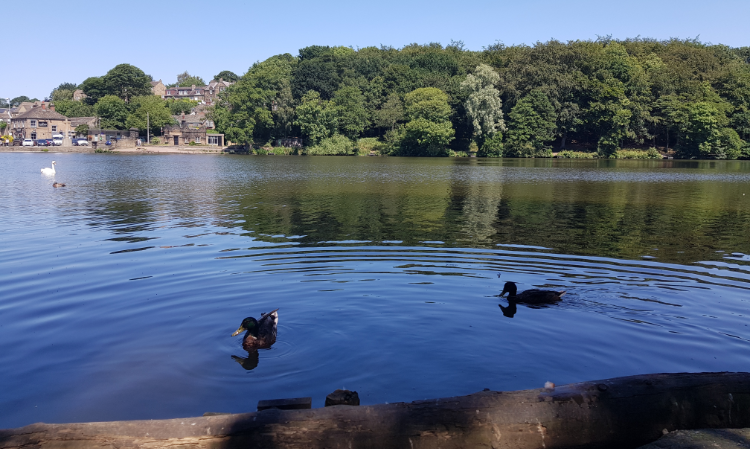
Using a micro ringed pole system for fast fish in summer
A micro ringed pole system pairs a compact feeder, short hooklink and light elastic for presenting bait precisely over active fish. Its simplicity suits quick summer bites: the pole provides accurate placement, while the ring connection allows quick changes without rebuilding the rig. The technique is more common in Britain, but it translates well to Australian carp, silver carp and native perch.
Here, summer runs from December to February. Fish often bite hardest around first light and the final hour before dark, rather than in the fierce midday heat. The system can be used around Albury on the Murray River, Lake Mulwala, Victorian lakes and NSW waterways, subject to state rules on bait, size limits and protected species.
Why this rig suits active summer fish
The micro format is useful when summer fish are feeding confidently but selectively. A small feeder and modest presentation put the hook bait within easy reach, and the pole lets the angler recast after each bite instead of rebuilding a feeder on a long stick. Light elastic also makes the rig feel natural, although it must still match the size of fish expected.
Local fish names matter when choosing bait and tackle. Aussie anglers talk about redfin for perch, golden perch in rivers and reservoirs, and silver carp alongside mirror and carp. Summer fishing can be excellent for these species, but rules differ between Victoria, NSW and other states, so check the relevant Fisheries department before assuming that a bait or method is legal.
Building a reliable micro pole rig
A practical set-up starts with a 5.5–6.3m pole of suitable power, its recommended mono and an elastic around 3–4 for ordinary fish. Use a small stainless ring with the rig swivel, a compact method feeder, a size 8–12 strong hook and roughly 0.13–0.16 hooklink. Keep the hooklink short and the swivel free so the feeder can turn without twisting the line.
Match the terminal tackle to the job. A light micro rig suits bream, redfin and smaller carp; silver carp need a stronger hook and firmer elastic. Australian summer heat can make line and bait sleeves less forgiving, so tie carefully, moisten the rig and keep spare hooks and elastic in a shaded, dry box ready at the bank.
Feeding without creating a soft spot
Method feeding suits the system because each cast places fresh, scented bait in a small area. Mold a damp mix around the feeder, allow it to hold its shape and keep the mix on the hook side. The explanation of why method feeding works covers how scent and small particles encourage fish to return.
Begin with a small amount and increase only if fish are taking confidently. A 6–8mm boilie, maize, wheat or soft pellet is often enough on the hook; larger baits can overload a micro presentation. Recast on a steady rhythm, tighten after each bite and reset the rig when bites fade, rather than dropping a large cloud of feed onto one spot.
Reading the bite and playing the fish
Set the rig with enough slack for a bite to be felt, but not so much that the line cannot be tightened. When the pole tip nods, lift it 5–10cm, pause and strike on the next definite drop. This avoids striking at every movement and gives the hook time to enter cleanly. Use a short, firm action rather than a huge pull that may tear the hook or pull the rig from the feeder.
Keep playing beside the fish where possible, with the line at a low angle, and use a large, wet landing net. Barbless hooks, careful handling and prompt release may be required locally. Start early to avoid the strongest heat and UV, carry water and eye protection, and leave exposed banks when thunderstorms develop—Australian summer weather can change faster than a comfortable session.
A practical checklist for Australian waters
Travel and accommodation need planning too. Fuel, public access, bait supply and a fallback exit matter more than a fashionable lakeside pitch. If a fishing trip is combined with a wider holiday, a place such as Arushi Villa can enter the accommodation shortlist, although local campsites near the Murray or Victorian lakes will usually shorten the daily journey.
Core kit
- 5.5–6.3m pole, suitable elastic and two spare rig cups
- Compact feeder, swivel ring, short hooklink and strong hooks
- Small method mix, a few hook baits and a groundbait scoop
- Landing net, unhooking mat, thermometer and spare line
At the water, match the approach to conditions and local access rather than copying a UK venue exactly. Deep, slow water around snags, clear runs and shallow margins each favour different bait positions.
Water and timing checks
- Fish first light and last light; use shade or a bivvy through hot hours
- Check weather, UV warnings and lightning risk before leaving cover
- Verify state size, bait and bag limits, plus barbless-hook rules
- Tell someone the area and expected return time if fishing alone
The practical takeaway is to keep the rig compact, the feed controlled and the elastic realistic. Present one reliable bait in each cast, respond to a confirmed bite, and let the small feeder do the work of keeping fast summer fish interested.