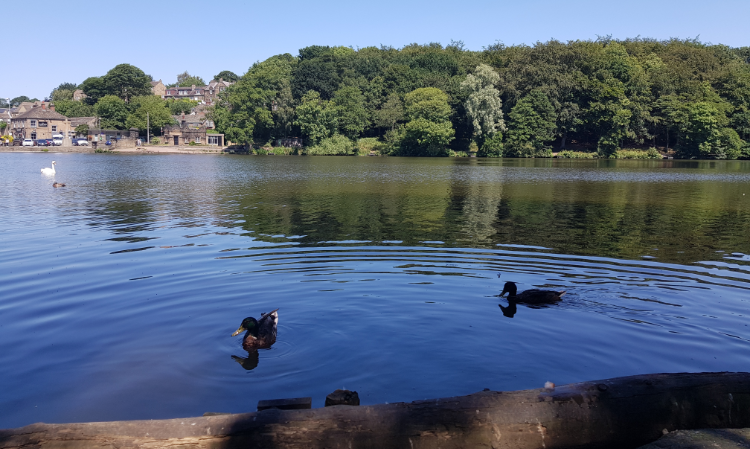
The right way to plumb a swim for accurate float fishing
Plumbing the depth is the foundation of reliable float fishing. It tells you where the bottom lies, whether the lakebed is level, and how much line should sit below the float. Without that information, even a well-balanced rig can drift at the wrong depth. Learn more about How To Fish 2.
The method is useful in a farm dam, canal, river bend or commercial carp lake. Australian venues can vary sharply: a clear Victorian quarry may have a firm gravel bottom, while a Murray-Darling irrigation channel can contain soft silt, weed and sudden drop-offs.
A few minutes spent finding the depth also helps you choose between fishing hard on the bottom, setting the bait just above it, or presenting over shallow weed. The result is better bite detection and fewer snags.
| Fishing situation | Useful plummet | What to look for |
|---|---|---|
| Stillwater or dam | Medium-to-heavy plummet | Firm bottom, weed and depth changes |
| Slow canal | Small or medium plummet | Silt, shelves and marginal cover |
| River with flow | Heavy plummet | Exact depth and whether the rig drags |
| Shallow, snaggy swim | Small plummet | Clear patches among weed or branches |
Choose the right plummet
A plummet is a small weight attached to the hook so the float can be lowered accurately. A medium model suits most dams, ponds and canals, while a heavier version is useful in river flow or when wind makes the rig difficult to control.
The plummet should be heavy enough to sink quickly but not so large that it damages a fine hook. Pinch the hook into the cork, foam or rubber base rather than forcing the point into a knot or bend. Anglers fishing light Australian yabby and redfin waters should take extra care with small hooks and delicate lines.
Start with a sensible float setting
Set the float so only the bristle is showing, then place the plummet on the hook and lower the rig into the swim. If the float disappears completely, the plummet is deeper than the current setting. Slide the float upwards in small adjustments until the tip reappears.
For a first reading, choose a spot a little away from the bank. In many suburban lakes around Melbourne, Brisbane or Perth, the margin can be shallow before falling away sharply. Plumb several casts in a rough grid rather than trusting one reading.
Map the bottom, not just the depth
Cast to the left, centre and right, then repeat at different distances. Count the float position or mark the line so you can compare readings. A sudden change of several centimetres may indicate a shelf, depression, gravel patch or the edge of a weed bed.
Pay attention to how the plummet behaves. A firm landing followed by a steady float position suggests a clean bottom. If it keeps sinking, the weight may be entering soft mud. If it lands and then pulls sideways, you may have found weed, a branch or a sloping surface.
Set the bait at the correct level
Once the deepest useful area is located, adjust the float so the bait rests on the bottom or hangs just above it. For cautious roach, carp or tench, placing the hook bait slightly over-depth can produce a stable presentation. In moving water, the same setting may cause the bait to drag.
When fishing a river such as the Yarra or a slower section of the Murray, check the depth with the float held stationary and then with the rig allowed to travel. The riverbed may rise or fall along the trot, so one perfect measurement does not guarantee an accurate presentation throughout the run.
Recheck after every change
Changing hook size, bait or shot can alter the float’s trim. A large grain of corn, bread flake or several maggots may pull the bristle lower than expected. Check the float again whenever you alter the rig, especially when using fine pole or waggler tackle.
Wind and surface tow can also mislead you. If the float moves while the plummet is still attached, watch whether the line is bowing on the surface. A controlled mend or a little line sunk below the surface can reveal whether the swim is genuinely sloping or simply being affected by drift.
Useful habits for a cleaner reading
The right float rod makes repeated probing less tiring, particularly when several casts are needed to map a swim; these float rod options cover the kinds of balanced tackle beginners commonly use.
- Plumb before feeding heavily, so loose bait does not hide the best area.
- Record the depth by counting turns of the reel or marking the line carefully.
- Probe around visible weed, lilies, reed edges and fallen branches.
- Use a heavier plummet when wind or flow makes the reading uncertain.
- Keep the rod tip low when checking for surface tow.
- Recheck the depth after moving more than a metre from the original spot.
Turn measurements into a repeatable swim
Once you find a productive depth, note the distance, float position and nearby features. A reed stem, bridge post or distinctive tree can help you return to the same line. This is particularly useful on busy NSW and Queensland waters, where popular pegs may be fished repeatedly.
Keep local rules in mind as well. Some Australian fisheries restrict bait types, hooks or access around stocked dams, and carp regulations differ between states. A short record of depth, weather, wind direction and successful bait can be more valuable than relying on memory.
Finish with a controlled presentation
After plumbing, remove the weight carefully, attach the intended hook bait and cast to the measured area. Watch the float as it settles; it should sink to its normal position without leaning or vanishing. If it behaves differently, check for trapped weed, a damaged float or an incorrectly placed shot.
The practical rule is simple: probe several points, identify the cleanest bottom, then set the rig so the bait sits where the fish are feeding. Accurate depth turns float fishing from guesswork into a repeatable process, whether the swim is a quiet dam, an irrigation channel or a flowing river.