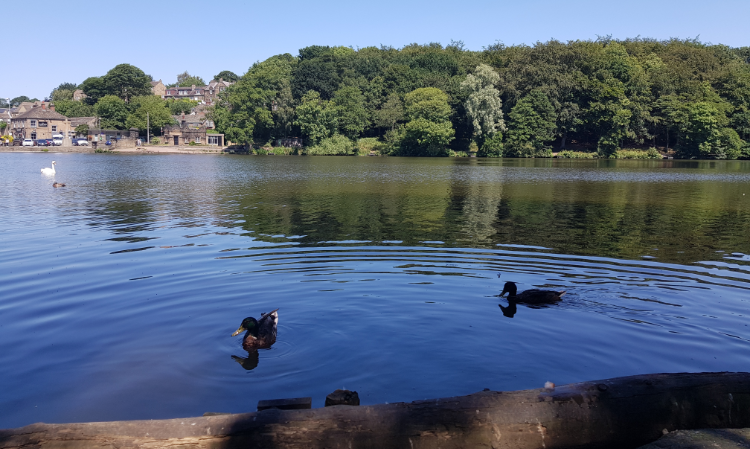
Tackling a Weed Infested Lake with a Chod Rig
Fishing a weedy lake can feel like casting into a green mattress. Your lead lands, the hookbait disappears, and a promising take ends with a blank retrieve. A chod rig is designed for this sort of bottom, allowing the hook section to sit above low weed rather than becoming buried in it.
For Australian anglers, this approach suits many farm dams, club lakes and stocked impoundments where summer growth can be thick. Lakes around Victoria, New South Wales and Queensland often develop heavy weed beds as water warms, while carp, golden perch and other species patrol the cleaner margins.
The rig is simple, but success depends on reading the lake first. Weed height, bottom firmness, wind direction and the presence of fish all affect how high the rig should sit. Blindly casting to the biggest weed bed usually wastes bait and tackle.
The advice here follows the practical style of coarse fishing: keep the setup dependable, use sensible hook patterns and test the lake rather than assuming every weedy area fishes the same. Always check local regulations, especially where lead, barbed hooks or specific rigs are restricted.
Reading Weed And Water
Start by looking for signs of feeding fish. Crushed weed, bubbles, cloudy water and moving stems can reveal carp working through a bed. In a shallow dam, a pair of polarised sunglasses may show channels and holes that are invisible from the bank.
The best target is often a transition rather than the thickest weed. A clean strip beside cabbage weed, the edge of a lily bed or a small plateau in otherwise soft growth gives fish a reason to visit and provides a better chance of landing them.
Use a marker float or a bare lead to assess the bottom. A lead that pulls back heavily may be buried in soft weed, while a firmer drop and a short, controlled pull suggest a clearer patch. Make notes about depth and weed height before committing a hookbait.
Building The Chod Rig
A chod rig uses a stiff curved hooklink mounted on a sliding ring or swivel above a lead. The hook can turn and present a pop-up even when the lead settles into low weed. A short, strong hooklink is usually easier to control than an overly long one.
Choose a hook with an aggressive point, a reliable eye and enough strength for the local fish. The guide to reliable hook patterns is useful when comparing shapes, points and wire gauges, particularly if you are adapting tackle sold for the UK market.
The lead system must allow the rig to move safely over the leader and release if the main line breaks. Check every connection before fishing, and avoid a setup that can trap the fish. A chod rig should be effective without compromising fish safety.
Choosing Leads And Hookbaits
A light lead may be adequate in calm water, but a heavier model can improve casting accuracy in wind. Around a weedy lake, accuracy matters more than maximum distance. Landing the rig on a small clear patch is preferable to reaching the far bank and fishing blindly.
Bright or balanced pop-ups are common choices because they remain visible above the weed. In clear Australian water, a muted white, yellow or washed-out food colour can be less alarming than a vivid fluorescent bait. Match the size to the local fish and the amount of natural food available.
Use fresh, buoyant hookbaits and test them in the margin. The bait should sit proudly above the weed without lifting the hook. If it rises too high, trim the bait or alter the rig rather than adding unnecessary putty.
Casting And Fishing The Spot
Clip up only after finding a dependable target, then make a smooth cast rather than punching the rig hard into the weed. Feather the line just before impact so the lead lands cleanly and the hooklink settles naturally.
Once the rig is down, keep rod movement to a minimum. Tighten carefully until the lead feels secure, then place the rod low and use a controlled amount of tension. Excessive pulling can drag the rig into the weed or move it away from the feeding area.
Wind can help push floating weed towards one bank, but it can also collect loose debris around your line. In places such as Lake Eildon or large Murray-Darling impoundments, allow for changing wind and boat traffic when choosing a swim. Recheck the rig after a few hours if the surface is carrying weed.
Avoiding Common Australian Problems
Warm weather can make weed grow quickly, and a spot that was clear during a winter session may be choked by late summer. Carry spare hooklinks, leads and pop-ups, because retrieving a weed-covered rig can damage the hook point or twist the components.
Snags, submerged timber and heavy weed often occur together in Australian dams. Do not fish extreme tackle simply to stop every fish; use a sensible breaking strain, check the drag and know where you can safely guide a hooked carp. Local carp can be powerful, especially in shallow water.
| Bottom condition | Useful presentation | Main advantage | Main caution |
|---|---|---|---|
| Short, low weed | Chod rig with a small pop-up | Keeps the hook visible | Can still tangle if cast roughly |
| Tall, soft weed | Higher-mounted chod | Presents above the stems | Needs careful height testing |
| Firm clear patch | Hinged or standard pop-up rig | More precise presentation | Hookbait may sit too low nearby |
| Heavy surface drift | Short, robust setup | Limits line disturbance | Recast if weed collects on the line |
Session Choices That Improve Results
Keep the session straightforward and make one change at a time. If the rig returns clean, the hook is sharp and fish are showing, leave it alone. If weed is wrapped around the hook, shorten the cast, alter the landing point or increase the rig’s separation from the bottom.
A small kit is enough: marker float, spare leads, forceps, sharpener, unhooking equipment and several buoyant hookbaits. An esky, sunscreen and plenty of water are practical essentials during an Australian summer session, particularly on exposed banks with little shade.
- Test the pop-up in the margin before casting.
- Search for weed edges, holes and firmer areas.
- Use a safe lead arrangement that cannot trap a fish.
- Inspect the hook point after every capture or snag.
- Keep spare chod hooklinks ready for damaged rigs.
- Recheck local access, bait and tackle regulations.
A chod rig is most effective when it is treated as a presentation tool rather than a cure for every weedy lake. Find the right patch, make the rig sit naturally and keep fish safety at the centre of the setup. In practical terms, the best cast is the one that lands accurately, presents above the weed and can be retrieved cleanly when the session ends.