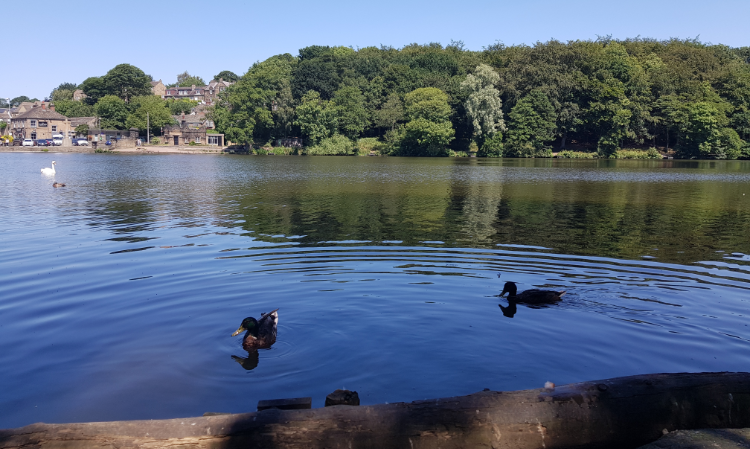
Tackling a Small Pond for Perch with Lures and Livebait
Imagine standing at the edge of a suburban pond in Melbourne or Adelaide, light rod in hand, watching for the bronze flash of a perch under the surface. Small waters across Australia offer some of the most accessible predator fishing available, especially for those with only an hour or two to spare. Whether you favour the active strike of a lure or a wriggling bait, these compact venues reward the right approach.
Most of the perch in Australian ponds are redfin, the introduced European species that has spread through rivers and reservoirs in every state except the Northern Territory. They thrive in still or slow water, often hugging structure such as submerged timber, weed edges, or shaded pontoon sides. A quick read of a beginner's 6 for perch will fill in any gaps in technique.
Before wetting a line, check the rules that apply to your state. Recreational fishing in New South Wales, Queensland, or Victoria requires a current licence, and bag and size limits vary between regions. A session at a stocked lake near Geelong or Bendigo will quickly teach you what the fish in your patch are doing this week.
Reading the Pond and Locating the Perch
Start every session by spending ten minutes watching the water rather than casting. Perch in small ponds tend to patrol the margins in the low light of early morning or late afternoon, especially when insect activity picks up near the surface. Look for flicking dimples, sudden swirls, or the odd bronze flash.
Structure holds fish. Overhanging willows, a submerged bike frame, a broken concrete block, or the shaded gap under a boardwalk all attract perch because they ambush prey from cover. Cast your lure or bait so it passes within a metre of these lies, because perch rarely move far from a comfortable hide.
Lure Tactics That Work in Tight Waters
Lure fishing for pond perch is fast and visual. A 3 to 7 gram soft plastic rigged on a 1/0 or 2/0 jighead is a reliable starting point, fished with a lift-and-drop retrieve close to structure. Shads and curly-tail grubs in natural colours like motor oil, watermelon, or smelt imitate the small prey fish and yabbies that perch feed on in farm dams and park lakes.
A 40 to 50 millimetre minnow twitched under the surface draws explosive strikes, particularly when perch push fry toward the edges. Spinnerbaits around 5 grams cover water quickly around snag-filled corners where soft plastics would be lost. Watch the retrieve: short twitches followed by a two second pause trigger follow-and-strikes, because perch commit to a lure once it stops moving.
Livebait Approaches for Stubborn Fish
When the lake is heavily fished or the water turns clear after a cold snap, livebait can outfish any lure. Small live minnows, freshwater shrimp, or a strip of fresh fish threaded onto a size 6 Aberdeen hook are all effective. Mount the hook through the lips or just behind the dorsal fin so the bait swims naturally.
A simple float rig is hard to beat in water less than two metres deep. Set a small waggler with enough shot to cock it, then lay the bait a metre beyond where you have seen signs of fish. Lift and lower the rod tip every minute to keep the bait at the working depth, and strike at any movement that drifts the float off line.
Tackle, Rigs and Local Kit Choices
A 1.8 to 2.1 metre light spin rod rated to 1 to 5 grams paired with a 1000 size reel is plenty for pond perch. Load it with 4 to 6 pound braid and a 2 foot leader of 4 pound fluorocarbon for invisibility in clear water. The short rod helps in tight spaces under trees and gives better control when playing perch near structure.
Local brands like Platypus and Atomic produce reliable lines and leader material, and Brisbane, Perth, or Hobart retailers stock most of what you need. A simple tackle box with a few jigheads, a couple of small lures, hooks, split shot, and forceps covers the basics for a half-day session at any suburban pond.
Adapting to Australian Conditions
Australian ponds are often warmer and clearer than the English venues where many of these tactics were developed. In a Brisbane summer, fish early or late and target shaded banks; in a Hobart winter, perch push shallower and feed harder through the middle of the day. Adjusting session timing to local temperature matters more than changing lure choice.
Native species share some of these waters. Australian bass, silver perch, or spangled perch may take a lure meant for redfin, particularly in northern New South Wales or Queensland impoundments. Check the local authority before you fish: a Victorian licence, a NSW Fishing Fee receipt, or a South Australian permit is required. Bag limits for redfin are usually generous because they are an introduced pest species, but always confirm before you keep a fish.
| Approach | Best For | Drawback | Typical Setup |
|---|---|---|---|
| Soft plastic on jighead | Active perch in cover | Lost easily in snags | 1/8 oz jighead, 3" shad |
| Small hardbody | Surface feeders, clear water | Less effective deep | 40-50 mm minnow, fluorocarbon trace |
| Live minnow on float | Wary or pressured fish | Bait collection needed | Waggler, size 6 hook, 2 lb mono |
| Strip bait on ledger | Deep, sluggish perch | Slower presentation | Running sinker, 4 lb trace |
Reliable Habits for Better Pond Perch
- Arrive early and spend ten minutes watching the water before the first cast.
- Target the shaded side of structure where perch feel safest.
- Match lure weight to a rod tip that loads on the lift, not one that punches through.
- Keep a small rubber-mesh landing net ready, because perch throw the hook when lifted too high.
- Switch to livebait after two unproductive hours of lure fishing rather than grinding on.
- Check the local bag and size limits before keeping a fish, even for introduced species.
- Photograph and return larger redfin to help control their spread in native waterways.
On your next visit, drop a 3 inch shad on a 1/8 ounce jighead within a metre of the shaded snag where you last saw a flicker of bronze, then count the retrieve down before lifting the rod tip.