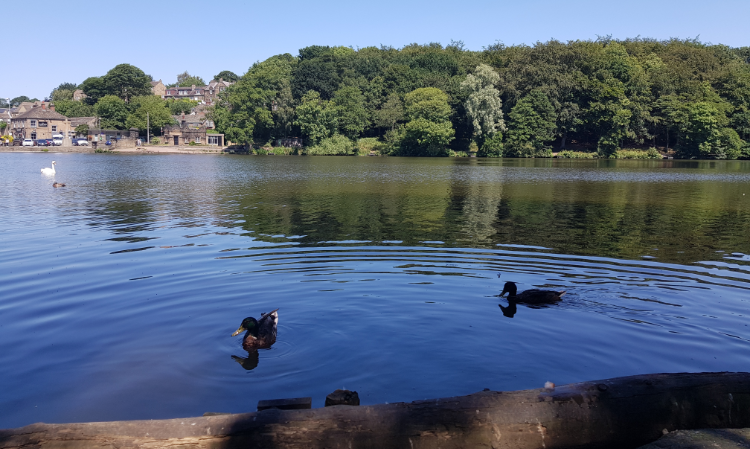
Tackling a heavily weeded lake for carp in late spring
Late spring can be an excellent time to target carp in Australian lakes. Water temperatures are climbing, weed is growing quickly, and fish often move into the margins to feed before the heat of summer. A lake that looks almost unfishable may actually hold carp in predictable lanes, pockets and open channels.
The main challenge is presenting a bait without burying it in weed. Carp can be powerful fighters, so tackle must cope with both the fish and the snags. This is less about casting to the middle and more about reading the weed, controlling the bite and landing the fish cleanly.
Conditions vary widely between a Victorian estate lake, a New South Wales irrigation dam and a suburban waterway near Brisbane. Always check local regulations, especially where carp removal, bait use and fish handling are controlled. Never move live carp or release them where local rules prohibit it.
Finding productive gaps in the weed
Begin by walking the bank quietly and looking for changes rather than simply searching for the biggest clear area. Carp often patrol the outside edge of weed beds, follow channels through dense growth, or sit in small holes where the bottom is exposed. Reeds, overhanging trees and shallow bays can also concentrate food.
Late spring sunlight makes observation easier. Polarised glasses can reveal darker depressions, pale patches of silt and fish cruising over the weed. Look for bubbles, cloudy water, waving weed, cut stems and the occasional flash of a flank. A quiet scan with a marker float or depth sounder is useful, but avoid repeatedly disturbing a promising swim.
Choosing tackle that can turn fish
A strong 11 to 13-foot float or match-style rod is suitable for controlled margin work, while a heavier carp rod may be preferable when fish must be steered away from thick weed. For anglers refining a float approach, these float rod choices provide a useful starting point, although older recommendations should be checked against current Australian stock and specifications.
Use a robust reel with a reliable clutch, abrasion-resistant main line and a hooklength that is strong enough for the cover. A 6 to 10 kilogram main line is a sensible broad range, adjusted for the weed density and size of carp. Strong hooks, secure knots and a large landing net matter more than finely balanced tackle in this situation.
Useful items for weed-choked banks include:
- A long-handled landing net with a wide, deep mesh
- Polarised sunglasses for spotting channels and cruising fish
- Unhooking equipment and a padded landing mat
- Spare hooklengths, swivels and hooks
- Waders or waterproof boots for safe bank access
- A bankstick or rod rest that keeps the line clear of weed
Selecting a bait for late spring
Carp become increasingly active as the water warms, but they may still prefer small, familiar food items. Sweetcorn, bread, worms, maggots where permitted, pellets and simple boilies can all work. In many Australian waters, corn is an especially practical choice because it is inexpensive, easy to carry and visible over a dark bottom.
Begin with a modest amount of loose feed. A few grains of corn or several pellets around the hook bait are usually enough to test the swim. Overfeeding can hold fish in the area, but it can also make them cautious or leave bait rotting in dense vegetation. Where regulations allow berley, keep it controlled and avoid scattering food across a wide area.
Presenting bait above the weed
A float rig is useful when the clear water above the weed can be identified. Set the hook bait just over the vegetation, or allow it to rest lightly on a clean patch. Too much depth can pull the bait into the weed, while too little may place it above the carp’s feeding line.
A lift method, insert waggler or slim-bodied float can show delicate movement, though the rig should be strong rather than excessively fine. Use enough shot to stabilise the bait and keep the line pinned where possible. If surface activity is obvious, a freelined piece of bread can be effective, but it requires careful control and a firm strike.
Managing bites near heavy cover
Fish should not be allowed to run unchecked once hooked. Keep the rod high enough to guide the carp away from the weed, apply steady side pressure and maintain a firm angle. A drag set too loosely gives the fish time to reach cover, while a locked clutch can cause hook pulls or breakages.
Try to land the carp in the first few metres rather than chasing it around the swim. Clear weed from the net before lifting the fish, and avoid dragging a hooked carp through thick growth. In warm Australian weather, keep the fish out of water only as long as necessary, wet the mat and support the body properly.
Adapting to Australian lake conditions
Late spring weather can shift quickly. A hot northerly may push fish into shade or deeper water, while a cool change can make shallow carp less active. Early mornings and the last part of the afternoon are often comfortable fishing periods, but overcast days can produce action for longer.
Local waters also have their own character. Carp in a stocked lake near Melbourne may respond differently from wary fish in a Canberra pond or a broad dam outside Adelaide. Check whether the venue permits bait, keep an eye on fire restrictions and carry drinking water, sun protection and insect repellent. At a country water, a bit of shade and a cold drink in the esky are practical essentials rather than luxuries.
A dependable session routine looks like this:
- Watch the swim before assembling every rod
- Identify two or three clear lanes through the weed
- Start with a small amount of feed
- Test the shallow margin before casting farther
- Keep the landing area clear and organised
- Move only when the signs of feeding disappear
The best results usually come from precision rather than volume. Find a clean patch, place a strong rig accurately, feed sparingly and stay ready to control the first run. For a heavily weeded lake in late spring, the practical takeaway is simple: fish the edges and openings, keep the carp away from cover, and make landing the fish part of the plan from the moment you arrive.