Setting Up a Puddle Chod Rig for Bottom Feeding Carp
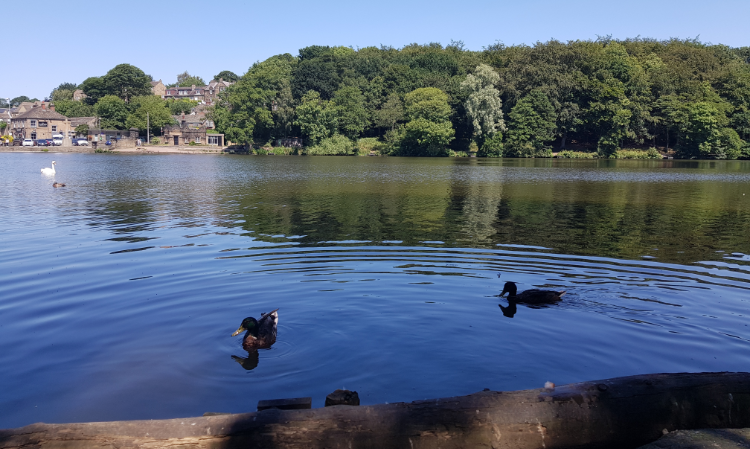
Small ponds and shallow urban waters can be excellent places to find carp feeding over soft mud, leaf debris and fine weed. A compact chod-style rig gives the hook plenty of freedom to settle on uneven lake beds, making it useful when a conventional bottom bait may become hidden.
The traditional chod rig is designed for a pop-up fished above silt. For bottom-feeding carp, the same free-moving presentation can be adapted with a critically balanced wafter or a low-buoyancy bottom bait. The aim is for the hook to remain clear and the bait to settle naturally without burying itself.
Australian conditions add a few practical considerations. Carp are widespread pest fish in many rivers and dams, but regulations vary between states, and some waters prohibit their release. Check local rules before fishing, especially around Melbourne, Sydney and regional irrigation systems.
When this rig suits a small pond
A puddle chod rig is most useful where the bottom is soft, silty or covered in dying weed. A fixed hooklink can disappear into that material, while a helicopter arrangement allows the hooklink to slide around the leader and find a cleaner position near the lead.
It also works when carp are browsing rather than moving confidently between large beds of bait. Small ponds near Brisbane, Perth or Adelaide can become clear and shallow, allowing fish to inspect a bait closely. A subtle wafter on a short, stiff hooklink is less likely to tangle than a long hair rig cast into marginal debris.
Components for the setup
Use a safe helicopter leader, either leadcore, coated braid or tubing approved for the venue. The leader should be long enough to protect the fish during the fight, usually around 60 to 90 centimetres for a small water. Add a free-running helicopter bead and a top bead that can move under pressure.
For the hooklink, 15 to 25 centimetres of stiff fluorocarbon or coated hooklink material around 0.40 to 0.50 millimetres is a useful starting point. A size 6 or 8 wide-gape or chod-pattern hook suits most Australian carp. Match the hook and bait to the fish rather than relying on a heavy carp setup designed for large European lakes.
Tying the chod-style hooklink
Strip a short section of coating near the hook eye, then tie the hook with a knotless knot or a reliable stiff-rig connection. Leave a small section of bare material so the hook can rotate and turn into the carp’s bottom lip. A tiny kicker or curved section can help create the aggressive angle associated with a chod presentation.
Attach a small bait ring or micro swivel to the hook shank and mount a 10 to 12 millimetre wafter. Test the finished hooklink in the margin. The hook should settle point-down while the bait lifts slightly or sits just above the mud. If it floats too strongly, use a small piece of tungsten putty or a light split shot several centimetres below the hook.
Positioning the beads and lead
Thread the lower bead onto the leader so the hooklink can slide freely above the lead. The upper bead should sit far enough away to let the rig move over soft ground, commonly 20 to 30 centimetres above the lead. It must also be able to release if the lead becomes trapped, as fish safety is more important than gaining extra distance.
A 40 to 85 gram lead is usually enough for a small pond, depending on depth, wind and casting range. A flat pear or gripper-style lead can settle securely without ploughing too deeply into soft mud. Before fishing, pull the tubing or leadcore gently through your fingers to check for damaged sections and confirm that the hooklink can travel freely.
Bait and feeding strategy
Keep the free offerings modest. A few dozen 6 to 8 millimetre pellets, a small handful of crushed boilie or several grains of prepared maize can create interest without filling a shallow puddle. In some Australian waters, bread, worms or corn are common carp baits, but local rules and landowner restrictions always take priority.
Use the matching hook bait sparingly. A wafter flavoured with fishmeal, sweetcorn or plum can be effective, while a trimmed boilie is useful when small fish are nuisance-feeding. The coarse fishing advice available from experienced anglers can help with adapting familiar rigs to different bottom types and bait situations.
Casting and checking the presentation
Make a controlled cast rather than hitting the clip hard. Feather the rig down and allow the lead to settle before tightening the line. A short drop from the rod tip can reveal whether the lead landed on firm ground, weed or very soft silt. If it pulls free with no resistance, recast a little closer to the margin or onto a visible clear patch.
Watch the line and give the fish time to move away with the bait. Use a smooth, powerful rod and a reel with a reliable clutch, particularly where carp can run into snags. When fishing around reeds or timber in New South Wales or Victoria, keep the rod low and maintain steady side pressure rather than locking up completely.
For a first test, tie one rig with a 12 millimetre wafter, attach a 60 gram flat lead, and cast it onto a clean margin area before feeding three small handfuls of matching pellets. Leave it undisturbed for 20 minutes, retrieve it carefully, and check that the hook remains exposed and the bait has not buried in the silt.