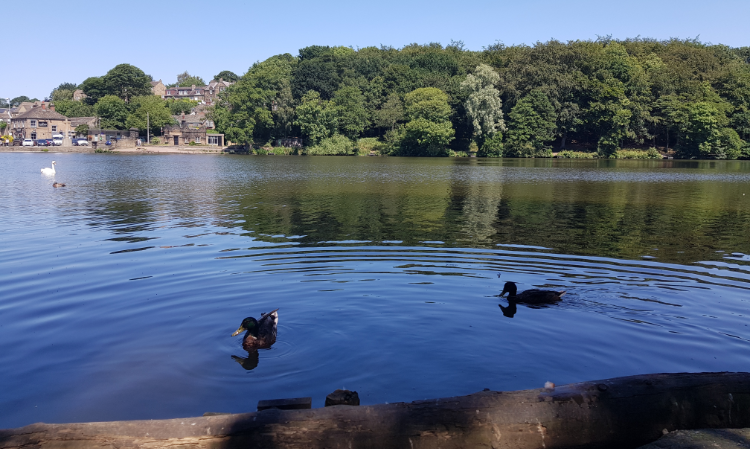
Preparing a hemp and corn groundbait mix for summer barbel
Summer barbel fishing in Australia runs from December to February, but barbel generally means the introduced European species rather than a native fish. Populations occur around Sydney Harbour, sections of the Murray–Darling and some southern catchments, so accurate identification and careful venue research matter.
A hemp-and-corn groundbait mix works because the hemp contributes aromatic oil while sweetcorn adds colour, starch and small food particles. It should concentrate barbel at a feeding place without replacing the hookbait. Keep the feed modest until bites demonstrate that more is useful.
Plain hemp seed is often easier to buy from health-food or birdseed aisles than specialist tackle shops, while Coles and Woolworths stock canned or frozen sweetcorn. Choose unseasoned food-grade seed and check labels, as birdseed blends may contain additives unsuitable for a bait mix.
Local conditions shape the method. Melbourne and Adelaide can have fiercely hot afternoons, Sydney and Brisbane often bring humidity and summer storms, and fishing is usually most productive around dusk or before sunrise. Licences, bag limits, protected waters and bait or method restrictions vary by state, so check current official guidance.
| Ingredient | Main purpose | Warm-water behaviour | Practical role |
|---|---|---|---|
| Blue hemp seed | Strong aroma and oil | Dense, but turns slimy if overcooked | Base feed |
| Sweetcorn | Colour and starch | Breaks down faster than hemp | Visible attraction |
| Cornmeal | Binding agent | Clouds water if excessive | Small adjustments only |
| Combined mix | Balanced scent and feed | Holds when bound correctly | Small balls or mesh bags |
Choosing the blend
A reliable starting batch is 400–500 g of blue hemp seed with 250–300 g of sweetcorn kernels. Judge the cooked volume rather than the dry weight: aim for roughly two-thirds hemp and one-third corn. This provides several small feeds without leaving warm bait behind.
Add cornmeal only when the mixture will not hold together. Begin with one or two tablespoons per cup and squeeze a handful; it should break apart when released without smearing across the riverbed. Too much binder creates a gluey cloud and removes the loose texture that attracts fish.
Keep the groundbait separate from the bait on the hook. Sweetcorn, several hemp seeds or a small piece of maize can each work as a hookbait, depending on water clarity and local fish. Freshness is more valuable than an elaborate attractant during hot weather.
Cooking and binding the bait
Rinse the hemp, cover it with cold water and soak for 12–24 hours. Then simmer gently for about 45–90 minutes, stopping when most seeds have split and a few remain intact. A domestic slow cooker on a low setting provides steadier heat than a fast boil, helping prevent the seeds turning into paste.
Drain the hemp thoroughly. Simmer fresh corn kernels for 10–15 minutes, or drain canned sweetcorn completely and thaw frozen kernels. Combine both while still warm, then knead in the minimum cornmeal needed. Leave some kernels whole so the bait remains textured rather than uniformly mashed.
Shape with damp hands into 25–35 g balls, using smaller portions for clear, slow water and larger ones for faster flow. A controlled cast protects each ball and the feeder; the timing in a backhand slice technique offers a sporting analogy for smooth delivery. Keep the batch shaded and cool, use it within 24 hours, and discard any bait that smells sour because heat accelerates rancidity in hemp oil.
Matching the mix to Australian summer water
In warm water, feed smaller and more often. Begin with two or three balls, then replenish every 10–15 minutes only if fish are feeding. Large meals can create a visible cloud in clear water and may prevent barbel from settling. In coloured flood water, the same mixture can cover a larger area with fewer feeds.
For still lakes, slow channels and deep river bends, place balls near the edge of a likely lie and let the hemp scent drift through deeper water. In moving water, put one or two balls beside a feeder rather than forcing the coarse mix through it. Water-soluble PVA mesh bags are useful when the hookbait must arrive cleanly.
After heavy rain, current speed and water colour can change quickly. Search shaded banks, snags, weir pools and the downstream edge of structure. Fish early or late, and use a lead-free weight of a size permitted at the venue. Keep the main line strong enough for a committed barbel without making the presentation unnecessarily heavy.
Fishing the barbel with confidence
A simple brainted or stiff rig is easy to read in low light: two short lengths of stiff rig material above the hook, with suitably sized barbless hooks where required. Present the bait just above or on the bottom. Match line and hook size to the fish and water rather than copying a fixed strength, and inspect the knots, swivels and free-running feeder before casting.
Balance the rod, reel and line as a complete set, especially under a steady current. The site’s reel guide provides useful background, but many recommendations date from 2018 or 2019. Compare current Australian models, servicing options and local spare-part availability before buying.
The rig should be placed quietly near the feed, with enough line to take up the movement of a fish without fixing it in place. If several barbel approach but few take the hook, reduce the groundbait and try a fresh hookbait. Strong currents may require a more secure hookpoint, but excessive tackle rigidity can spoil the presentation.
Planning a productive local session
Check the relevant state authority before leaving home. NSW generally requires a recreational licence for many inland waters, while licence and fishing rules differ across other states and territories. Confirm barbel limits, closed waters, hook restrictions, bait bans and gear rules; never assume that one state’s regulations cover another.
Use food-grade ingredients, keep the bucket sealed, and do not move live fish, baitfish or water between catchments. Barbel are not native to Australia and should not be relocated. Record the venue, time, water temperature and bait ratio so the next session begins with useful evidence rather than guesswork.
If publishing catch photographs or sending trip notes to Coarse Fishing Tips, review its privacy policy before sharing personal or precise location details. For the next session, weigh 400 g of hemp seed and 250 g of sweetcorn, then prepare one small test batch before fishing.