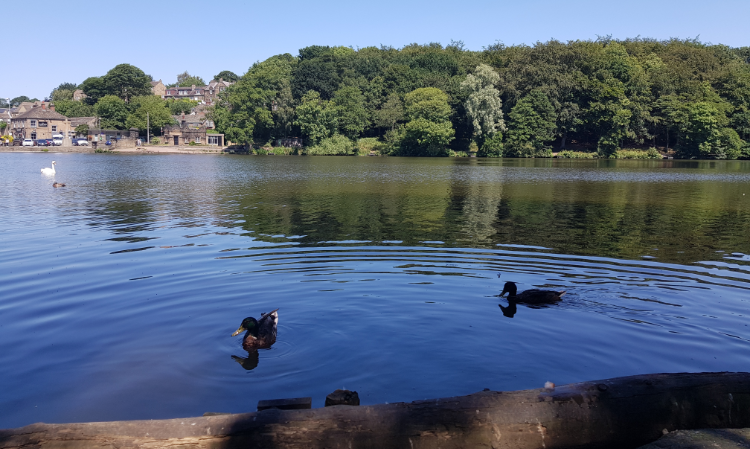
Hemp and Tares Mix for Chub on a Warm Summer River
Watching a swallow skim a slow, weedy river in midsummer while waiting for a chub to roll over a crease is one of summer's quiet pleasures. Long days, warm water and steady baiting often outfish fancy tackle when the menu centres on hemp and tares, both of which offer real food value and steady attraction.
Adapting the method in Australia, where chub don't swim, means treating the recipe as a particle mix for carp, Murray cod or silver perch. Locals can buy imported hemp and tares from tackle shops in Melbourne and Brisbane; anglers flying out to the Test or Wye already know the cooking technique.
A hemp and tares mix is the default summer approach for bigger river fish among dedicated coarse anglers. Particles are large enough to pick off selectively, keeping smaller silvers busy while chub move in. Tares offer size and visual presence on the hair, while hemp gives scent and a slow oil leak that draws fish from a distance.
Getting the balance right is largely about cooking times and how long the bucket cools before fishing.
Choosing Hemp Seed and Tares
Real angling hemp is sold as a fishing ingredient rather than a health-food snack, with a small, hard, dark seed that holds together when simmered. Avoid the bright yellow culinary hemp sold in cafes around Sydney and Perth; it splits almost immediately and washes out of the swim.
Tares, or tick beans, are dried field beans sold for partridge and pheasant feed. They're available at rural produce stores and specialist pigeon-feed suppliers, including mail-order birdkeeping outfits in places like Bendigo and Toowoomba. Keep seeds sealed in a chilly cupboard so rats and mice don't get there first, a familiar issue around Brisbane and Adelaide.
Cooking Hemp Properly
The key is a slow simmer, not a rolling boil. Place a cup of dry seed in a saucepan, cover with three times the volume of water, bring gently to a simmer and cook for twenty-five minutes until small white shoots just begin to show. Turn off the heat, clamp on a lid and leave until fully cool so the seeds finish absorbing liquid.
Pour the cooked hemp into a sieve and tip into a clean bait bucket. Keep the milky cooking water and stir it back later; it carries most of the attraction. A sealed tub keeps in the fridge for forty-eight hours.
Cooking the Tares
Soak tares overnight because they take longer to soften than hemp. Cover the beans in cold water for twelve hours, drain, refill and bring to a slow boil. Simmer forty-five minutes to an hour; the bean should crush easily but still hold its shape.
Beans that split during cooking are still usable but save those for loosefeed. A neat, unwrinkled tare on a hair rig sits lower in the water and looks more natural to a chub grubbing along the bottom. Local produce stores from Geelong to Hobart often stock the same pigeon-grade beans used by British anglers.
Building the Mix
Once both ingredients have cooled, combine roughly two parts hemp to one part tare by volume in a large bait bucket. Add a generous splash of the reserved hemp cooking water and stir gently. The mix should look glossy and slow to drip; if watery, particles spread too fast and pull in smaller fish. A pinch of fine crumb helps bind everything on the bottom without clogging the hook.
| Feature | Hemp | Tares |
|---|---|---|
| Best for | Scent and attraction | Visual hookbait |
| Cook time | 25 minutes simmer | 45-60 minutes simmer |
| Visual cue | Tiny white shoots | Brown bean, intact skin |
| Size on hair | Half a seed | One whole bean |
| Pull on chub | Long-range draw | Close-range pick-up |
Once the mix has settled for half an hour, give it one more stir and check the consistency again. A well-built batch holds its shape on a spoon, drips slowly and smells faintly nutty. Work it in small handfuls around the swim once you have located a showing fish.
Feeding and Rigging on the River
Bait little and often in summer, particularly on clear rivers like the Hampshire Avon or upper Thames. Start with three small catapult pouches, then top up with one pouch every twenty minutes once fish are caught or shows are seen. Heavy initial feeds simply fatten the silvers, not the chub you're after. For a closer look at how baiting patterns shape a session, importance of baiting routines explains the difference between short and long-term approaches.
If you are fishing a long, featureless stretch, add a few larger handfuls of pure tares to the middle of the swim and just hemp and crumb to the tails, which stops small fish burying themselves in the centre of the feed.
A simple running-leger or light waggler pairs well with the mix on a 4lb mainline and a 2lb fluorocarbon hooklength. A size 14 or 16 hook suits a single tare on the hair, while half-hemp seeds need a 6 or 8 pushed through a hair rather than mounted on the point. For a step-by-step walkthrough of river tactics from a different angle, rigs and presentation advice covers set-ups that suit faster streams.
Practical Bait-Building Pointers
A few small habits make a real difference to how the mix performs, especially in the second hour.
- Simmer hemp gently rather than boiling it hard, or the seed splits.
- Soak tares overnight so the inside cooks evenly without bursting.
- Keep the hemp cooking water and stir it back into the final mix.
- Aim for a glossy, damp texture rather than a wet, sloppy bucket.
- Buy pigeon-grade beans in bulk for long sessions or trips.
- Store finished bait in the fridge and use within two days.
- Match hook size to particle size so the hair rig sits naturally on the bed.
Before travelling, it is worth checking what local clubs and specialist societies are publishing. Groups such as the Chub Angling Group produce regular catch reports, and their guidance on particle fishing often dovetails with the method described here.
Patience beats aggression with this mix. Build slowly, feed sparingly and let the chub come to you, the same quiet approach that works on a warm midsummer river from the Wye to a Victorian backwater. The bucket you prepare the night before often decides whether you take a personal-best chub home.