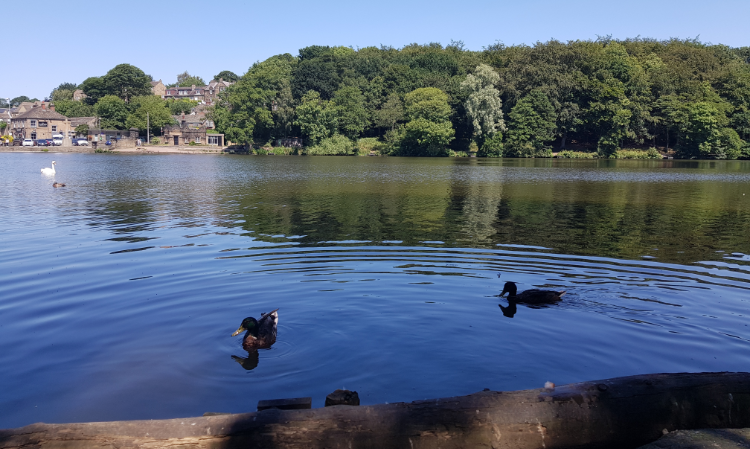
Pole fishing for crucian carp: tactics and tips
Crucian carp are a rewarding target for a beginner because they can provide plenty of bites while still demanding accurate, delicate fishing. They often live in quiet lakes, farm ponds, canals and small estate waters, where a carefully presented bait can outfish heavier tackle.
The pole is particularly effective because it allows precise feeding, quiet presentation and close control of the rig. Crucians are commonly found around marginal cover, lilies, reed beds and soft-bottomed areas, but they can be cautious when the water is clear or heavily fished.
Success usually comes from keeping everything balanced. Fine line, a sensitive float, small hooks and restrained feeding will catch more fish than an unnecessarily powerful setup. The aim is to make the bait look natural while retaining enough control to land a good crucian safely.
Find the right water and swim
Before assembling the pole, spend a few minutes watching the water. Crucians may reveal themselves with tiny bubbles rising from the bottom, flicking tails near weed or occasional swirling movements. These signs often indicate fish feeding rather than simply travelling through the swim.
A productive area may be close to reeds, an island margin, a lily bed or a distinct change in depth. Avoid dropping the rig directly into dense weed, though, because hooked crucians can bury themselves quickly. A clear patch beside cover is usually a better choice.
Depth is important. Start by plumbing the swim carefully and search for a firm, level area near the bottom. Crucians often feed close to the lakebed, but a bait held slightly off bottom can work when the fish are competing confidently or when silt is making the hook bait disappear.
Build a delicate but dependable rig
A light pole elastic is suitable for average crucians, with the exact strength depending on the size of fish in the venue and the amount of weed present. A soft elastic cushions sudden lunges, while a slightly stronger choice gives extra control near reeds and marginal vegetation.
Use a slim-bodied float with a fine tip and enough stability to register shy bites. A 0.3g to 0.6g float will cover many stillwater situations, although wind, depth and tow may require more capacity. Shot should be spread neatly so the hook bait settles naturally rather than falling too quickly.
A typical rig might use fine main line, a short hooklink and a size 18 to 22 hook. Soft pellets, maggots and small pieces of worm suit these hook sizes. If you also fish a waggler on larger waters, compare suitable float rod options for situations where the pole cannot reach.
| Rig component | Practical starting point | Reason |
|---|---|---|
| Float | Slim 0.3g–0.6g model | Sensitive presentation |
| Main line | Approximately 0.10–0.14mm | Fine enough for wary fish |
| Hooklink | Approximately 0.08–0.12mm | Helps the bait move naturally |
| Hook | Size 18–22 | Matches small baits |
| Elastic | Light, soft grade | Protects fine hooklengths |
Feed little and watch the response
Crucians are easily overfed, particularly in cool water or when the swim contains only a modest number of fish. Begin with a small amount of loose feed, such as a few maggots, grains of sweetcorn or a pinch of fine groundbait. Give the swim time to settle before adding more.
A few grains of hemp or dead maggots can keep fish searching without filling them. Small pellets are useful where crucians are accustomed to commercial feed, but avoid introducing several different baits at once. A simple feeding pattern makes it easier to understand what the fish want.
Feed with the pole cup when accuracy matters. Place the feed around the float rather than scattering it widely, then make small top-ups after bites or landed fish. If indications become frantic but proper bites disappear, the swim may need less feed rather than more.
Present the bait close to the bottom
Plumb the depth so the hook bait just touches the lakebed or rests lightly on it. This is a strong starting point because crucians often nose through silt and debris while feeding. Use a telltale shot close to the hook to help the float register lifting bites.
If the bottom is soft, dragging the hook bait through silt can make it difficult for fish to find. Try fishing just overdepth with the hooklink settled gently, or reduce the amount of bottom contact. A slow fall through the final few inches can also trigger bites when fish are suspended slightly above the substrate.
Good baits include maggot, caster, pinkie, sweetcorn, bread punch and small worm pieces. Begin with the least intrusive option that matches the feed. Change one variable at a time so you can tell whether the improvement came from bait size, depth or feeding.
Read bites and handle fish carefully
Crucian bites can be subtle. The float may dip slowly, lift several millimetres or move sideways before disappearing. Strike smoothly when the float gives a clear indication, avoiding a sharp sweep that could pull a small hook from the fish’s mouth.
Keep the pole low and maintain steady pressure after the hook is set. Do not rush a larger crucian to the net; allow it to run while keeping the elastic working. Move the fish away from weed gradually, then guide it over a soft, knotless landing net.
Crucians have delicate mouths and can be damaged by rough handling. Wet your hands, support the fish carefully and return it promptly. A barbless hook makes unhooking easier and reduces injury when used with appropriate pressure.
Practical habits that improve results
The most reliable sessions usually come from making small adjustments rather than changing the entire rig. Keep notes about depth, weather, bait and the amount of feed used. Patterns soon emerge, especially on a familiar pond or canal.
Useful habits include:
- Plumb several areas before choosing where to fish.
- Start with minimal feed and build up only when bites continue.
- Carry spare hooklengths tied with different hook sizes.
- Check the hook point regularly after every fish or snag.
- Keep the landing net and unhooking equipment ready before fishing.
Short sessions can be especially valuable for learning. Try one swim with a consistent approach, then compare the results on a later visit under different conditions. Over time, this builds confidence in reading the float and understanding how crucians respond.
When the float begins to behave naturally and the bait reaches the bottom without disturbance, resist unnecessary changes. Pole fishing rewards accuracy, patience and close observation. Put these tactics into practice on your next suitable water, refine the rig as conditions change, and keep each crucian session focused on learning as well as catching.