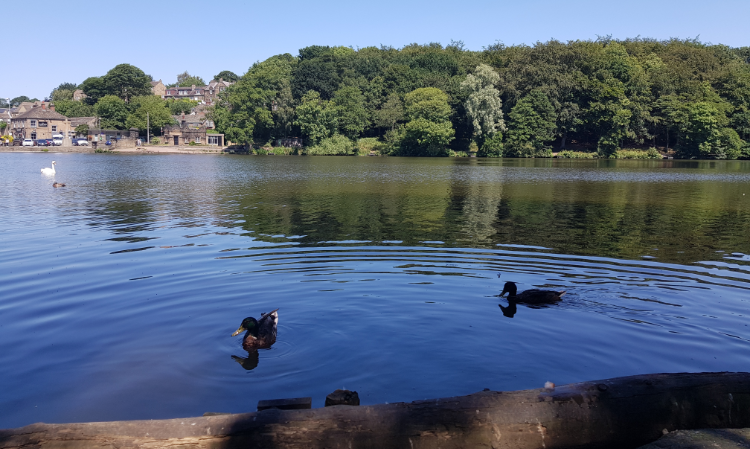
How to use a method feeder with a soft pellet for clear water
Clear water is a quiet judge of any angler's setup, and a method feeder fished with a soft pellet is one of the most reliable ways to tempt pressured carp, tench and barbel when they have grown wary of harder baits. The soft pellet breaks down steadily, releasing scent and tiny food particles that draw fish in without spooking them, while the feeder itself delivers a compact ball of feed exactly where you want it. For Australian anglers fishing clear rivers like the Murray or stocked impoundments around Melbourne and Brisbane, the technique translates beautifully when the water is low and gin-clear.
In Australia, the method feeder approach has grown popular among carp competitors, even though carp remain a noxious pest across much of the country. Many sessions target Murray cod or golden perch alongside them, and a soft pellet can be surprisingly effective for both when the fish are not feeding aggressively. Local tackle shops in Sydney, Adelaide and Perth now stock purpose-built inline feeders and pellets to suit these clear conditions, so the gear is never hard to find.
Why soft pellets outshine hard baits in clear water
A soft pellet collapses into a cloud of food particles as soon as it hits the bottom, releasing amino acids and fish oils that travel further in clear water than visual attraction alone. Hard pellets stay intact and visible, which can actually alert wily fish in shallow lakes and weedy rivers like the upper reaches of the Darling. The soft option also stays on the hook better when fished at range, because its squashed texture grips the hair and feeder mould far more reliably than a rigid bait.
Scent carries a long way in clean water, and a soft pellet soaked in a matching liquid attractant or simply lake water gives the rig a subtle trail. Anglers chasing silver perch in dams near Toowoomba often report that switching from a hard 6mm pellet to a soft, pre-soaked version doubles their bite rate during bright afternoons.
Picking the right method feeder for the venue
Inline method feeders in the 30g to 45g range cover most stillwater and slow-river work, while heavier 60g versions are needed for distance casting on big open waters like Lake Albert or Lake Mulwala. The shape of the feeder matters too: a flat-sided design holds soft pellets well and settles quickly, whereas a traditional round frame can spit bait on impact.
Choose a feeder with a smooth, recessed base if you intend to mould the bait by hand, and make sure the tail rubber or swivel is strong enough for a hard-fighting carp. Most Australian anglers fishing for Murray cod step up to a stronger mainline and a slightly larger hook anyway, so check the feeder rating before casting into snags.
Preparing a soft pellet mix that stays on the feeder
Start with quality 4mm or 6mm pellets designed for coarse fish, available from local brands like Ridley or Skretting through most tackle retailers. Soak the pellets in just enough cold water to cover them for 20 to 40 minutes, until they break down into a sticky but still-formed mass. Squeeze a handful; if it holds its shape without crumbling, it is ready. A teaspoon of fine crumb or ground pellet added at this stage helps bind the mix further.
Keep a bait tub of the finished mix beside you and mould it around the feeder, pressing firmly so it sits flush with the frame. A few small additions such as dead maggots, sweetcorn or a pinch of ground hemp can boost attraction in very clear water without making the ball too loose.
Rigging, casting and presentation tips
Tie a short hair rig of 8 to 10cm using a size 12 or 14 wide-gape hook, with a hair-mounted soft pellet as the hookbait so it mirrors the free offerings. Cast upstream of any feature you have spotted and let the feeder settle, then watch the line for the slightest twitch. In rivers like the Goulburn or the Murray's quieter bends, anglers often find that a slow, methodical approach wins more fish than a rushed recast every five minutes.
If you are targeting larger specimens, browse the latest catching carp tactics to refine your approach and consider switching to a slightly heavier feeder for better distance. Always clip up to a marker to ensure you hit the same spot on every cast.
Reading the swim and adjusting your approach
Clear water exposes every detail of the lakebed, so look for colour changes, gravel patches, or a sudden darkening that suggests weed or silt. Fish are often drawn to the edge of these zones rather than the deepest part, and a feeder fished tight to the change produces most of the bites. Wind lanes, overhanging willows and submerged timber are all worth a cast, but keep an eye on snags because soft pellets attract everything from small roach to a thumping cod.
When bites dry up, try altering the feeder weight, shortening the hair, or switching to a smaller pellet size. For more advanced anglers looking to fine-tune their feed, adding a slow feed particle alongside the soft pellet can extend the attraction window without overfeeding.
| Feeder size | Best for | Pellet mix suggestion |
|---|---|---|
| 20–30g inline | Stillwater margins, canals, slow rivers | 4mm pellets, lightly bound |
| 40g flat-sided | General purpose, medium range | 6mm pellets, standard mix |
| 50–60g round frame | Distance casting on open lakes | Mixed pellet sizes, firmer bind |
Practical recommendations for clear water sessions
- Pre-soak pellets for at least 30 minutes before moulding so they bind cleanly.
- Use a flat-sided feeder for soft pellets to stop bait loss on the cast.
- Match hookbait size to the free offerings to avoid rejection.
- Clip up to a marker and cast to the same spot on every throw.
- Reduce feed volume in bright conditions, then build it back up on overcast days.
- Carry two feeder weights so you can switch quickly if bites fade.
A method feeder fished with a soft pellet rewards patience and clean presentation above all else. Set up quietly, cast accurately, and let the bait do the talking in the clear water.