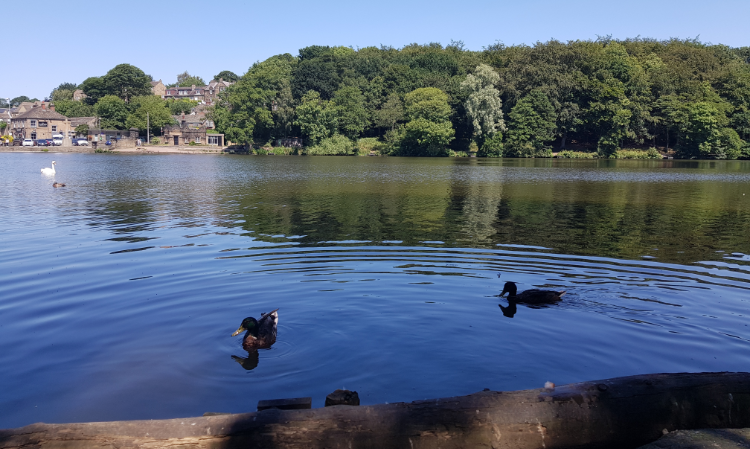
How to use a bomb or ledger rig for chub in deep runs
Chub often hold in the steady water at the head or tail of a deep river run. They may sit close to the bottom, especially when the flow is carrying food towards cover, making a bomb or ledger rig a dependable way to present bait where a float can be difficult to control.
The method is simple, though accuracy matters. A quiet cast, a stable lead and a sensitive bite indication will usually catch more chub than a complicated rig. Keep disturbance to a minimum and treat every likely crease, overhanging bush and slack edge as part of the swim.
A deep run can also contain barbel, dace and occasional carp, so choose tackle with enough strength for the venue. Check current conditions, permitted methods and local rules before fishing.
Reading the river run
Look for a change in depth, pace or riverbed. Chub commonly sit behind a crease, beside a weedbed, below a shallow glide or close to the bank where the current loses power. In clear water, avoid standing directly above the fish and use bankside cover whenever possible.
Before casting, watch the surface for steady boils and floating debris. These clues reveal the main flow. A deep central channel may require a heavier bomb, while a near-bank seam can often be fished with a much lighter lead and a shorter cast.
Selecting tackle for control
A 10- to 12-foot ledger or feeder rod with a quivertip is suitable for most rivers. Use a reel loaded with around 4-6lb main line for ordinary chub fishing, increasing this where snags, barbel or heavy weed are present. The rod should have enough reserve power to turn a fish away from cover without feeling excessively stiff.
A bomb is ideal when you want a compact, unobtrusive weight. A small open-end feeder is useful when a little loose feed is needed, while a plain running ledger gives the cleanest presentation. Anglers who also fish with a pole can compare setups in this pole fishing guide, though a pole is rarely the first choice for a powerful deep run.
| Situation | Useful setup | Starting point |
|---|---|---|
| Steady deep flow | Running bomb | 10-20g bomb, 12-18in hooklength |
| Moderate current with loose feed | Small open-end feeder | Light groundbait and 18in hooklength |
| Snags or powerful flow | Heavier ledger | Stronger main line and shorter hooklength |
| Quiet crease near cover | Light bomb | 6-10g bomb and delicate quivertip |
Building a safe ledger rig
Thread the main line through a free-running bomb or feeder, then add a small bead to protect the knot. Tie on a swivel and attach a hooklength of roughly 12-18 inches. A size 8-12 hook suits bread, meat, paste and worms, while a size 14-16 hook is useful for maggots or small baits.
The free-running arrangement lets a chub move off without immediately feeling the full weight of the lead. Check that the bomb slides freely and that the hooklink cannot wrap around it. In snaggy swims, use only as much weight as needed to hold bottom and avoid casting directly into submerged branches.
Choosing bait and feeding lightly
Bread flake remains one of the most effective chub baits, particularly in coloured water or during winter. Pinch a firm piece around the hook and leave enough softness for a positive hook hold. Luncheon meat, cheese paste, worms and maggots are useful alternatives when fish have seen a lot of bread.
Start with very little feed. A few maggots, hemp or small pellets around the hook bait can create interest without filling the swim. With bread, loose flakes introduced upstream may drift naturally towards the ledgered bait. Too much feed can draw smaller fish or make the presentation difficult to read.
Making the cast and holding bottom
Cast upstream or slightly across the current, depending on the river width and the amount of line needed. Let the lead settle before tightening gradually. The final position should leave the bomb anchored while the hook bait rests naturally on the riverbed or just above it.
Keep the rod low and angle it downstream when possible, reducing the amount of line exposed to the flow. A quivertip should show a gentle working movement rather than being pulled continuously round. If the tip bends hard or the lead rolls, reduce the line angle, alter the casting position or choose a heavier bomb.
Interpreting bites and landing chub
Chub bites can be surprisingly bold. The tip may pull round steadily, tremble and then straighten, or give a series of sharp taps followed by a pause. Do not strike at every movement caused by weed or the lead shifting. Wait for a definite tightening or a sustained pull, then lift firmly into the fish.
Once hooked, keep the rod high enough to cushion lunges while steering the chub away from snags. Avoid excessive pressure in shallow margins, where a large fish can use its broad body to turn suddenly. A landing net with a wide opening and knotless mesh makes the final stage safer.
Practical checks before casting
A few minutes of preparation prevents most problems with deep-run ledgering:
- Test the main line, hooklink and knots for damage.
- Choose the lightest bomb that will hold bottom.
- Position the rod so the tip remains visible against the background.
- Keep spare hooklengths, leads and hooks ready for snags.
- Wet and straighten the hooklink before presenting the bait.
Recast if the rig lands in weed, rolls into a crease or settles too close to an obvious snag. Chub respond well to a natural bait placed accurately, so a small adjustment can be more productive than waiting on a poor presentation.
Settle beside the river, watch the quivertip and give each cast time to work. With a balanced bomb or ledger rig, careful feeding and a quiet approach, deep chub runs become far easier to fish confidently. Take this method to a suitable UK river and build your tackle and bait choices around the conditions on the day.