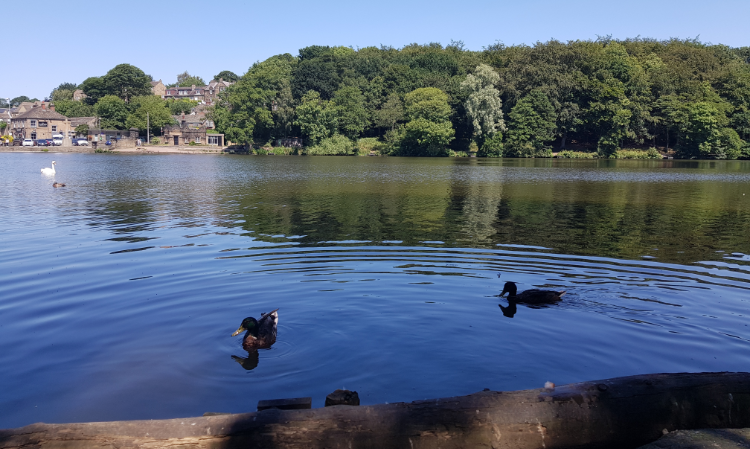
How to stealthily fish a pole on clear, pressured lakes
Clear lakes with regular angling pressure can make even a well-presented bait look suspicious. Carp, tench, roach and perch quickly learn to associate disturbance, heavy feeding and clumsy tackle with danger. A pole can still be highly effective, but success depends on reducing every unnecessary signal.
Stealth begins before the first bait is lowered. Choose a quiet approach, avoid stamping along the bank, keep your shadow away from the margin and prepare as much tackle as possible before settling into position. The aim is to make the swim feel undisturbed.
A short, accurate pole line is usually easier to control than a long one. Fish may be close to the bank, especially early or late in the session, so inspect the margins before deciding where to fish. Polarised glasses can reveal depth changes, weed gaps and cruising fish without requiring constant movement.
Read the lake before making a cast
Spend several minutes watching the water. Look for bubbles, tails, subtle swirls, dark shapes over weed and patches where the surface differs from the surrounding lake. Clear water often reveals fish that are feeding confidently but also shows when they are unsettled.
Avoid setting up directly above visible fish unless they are already feeding hard. A quiet edge, a line beside weed or a slightly deeper shelf can produce better results than dropping straight onto a shoal. Fish often move away from noise before returning to feed.
Wind can help conceal movement by breaking up the surface and carrying bankside noise away from the swim. On calm days, keep movements slow and low. Kneeling or sitting well back from the edge can make a considerable difference in shallow water.
Keep the pole rig light and tidy
Use the lightest elastic, float and line combination that safely handles the expected fish. A fine main line, small hook and slim float create less resistance when a cautious fish picks up the bait. For larger carp, a soft hollow elastic may be appropriate, but avoid excessive power that makes every lift of the pole abrupt.
A short, sensitive float is useful in calm conditions, while a delicate bristle can show shy lifts and sideways movements. Shot should be spaced to let the bait descend naturally rather than causing it to drop like a stone. On a clear lake, a balanced rig often out-fishes a stronger-looking setup.
Keep the rig close to the bottom when fish are feeding there. If the water is shallow, consider laying a small amount of line on the lakebed to prevent the bait drifting unnaturally. Check knots, shot and hook points before fishing so adjustments do not create repeated disturbance.
Feed little and land it accurately
Loose feed is often the main source of trouble on pressured venues. Start with a few maggots, casters, hemp or small pellets rather than several large pots. If the fish respond, maintain the swim with tiny top-ups instead of increasing the quantity simply because bites slow down.
A small pot on the pole tip gives much better accuracy than loose feeding by hand. Lower it gently, release the feed close to the bottom and lift away without dragging the pole through the water. With particles, accuracy matters more than volume.
For float fishing background and presentation ideas, this waggler fishing guide is also useful, even though the approach described is aimed at rivers. The same principles of careful feeding, accurate casting and reading the float transfer well to stillwaters.
Match your approach to the conditions
Different presentations suit different levels of fish activity. A moving bait can tempt roach and perch, while a static bait may be better for tench or carp feeding over a small bed of particles.
| Lake condition | Useful presentation | Feeding approach | Main stealth point |
|---|---|---|---|
| Bright and calm | Light float, fine hooklength | Few maggots or casters | Fish from well back |
| Rippled surface | Slightly heavier float | Small regular top-ups | Use the wind for cover |
| Clear margins | Short pole line | Loose feed in tiny amounts | Avoid standing at the edge |
| Carp moving through | Stronger elastic, single bait | Wait for signs before feeding | Do not chase visible fish |
| Weed nearby | Stable bait close to cover | Pinpoint potting | Keep the rig simple |
Change one factor at a time. If bites stop, resist immediately adding more feed or moving several metres. The fish may have shifted slightly, or the bait may be fouled. A quiet lift, a fresh hook bait and a small adjustment in depth can solve the problem.
Fish the margins without spooking them
Margins are often overlooked because anglers assume pressured fish will stay in open water. In reality, a shaded reed edge, undercut bank or dense weed line can offer security. Plumb carefully, then place the float a short distance away from cover rather than dropping it into the thickest vegetation.
Lower the rig vertically and avoid swinging it into position. Once the float settles, keep the pole still. If the wind moves the rig, use minimal hand pressure and allow the float to regain stability before striking.
When a fish hooks itself, steer it away from the feeding area quickly but smoothly. Keep the pole angle consistent, use the elastic to absorb lunges and avoid splashing the surface with the net. A clean landing protects the swim for the next fish.
Make each minute beside the lake count
Use this simple routine when fishing a cautious stillwater line:
- Watch the swim for at least ten minutes before feeding.
- Plumb accurately and mark the depth on the pole.
- Begin with a small amount of bait and increase it only after clear evidence.
- Keep spare rigs, hooks and bait ready so interruptions are brief.
- Recheck the hook and bait after every missed bite or lift.
Quiet preparation is as important as the rig itself. Keep pole sections on soft rests, silence alarms and avoid repeatedly shipping in and out without a reason. If the swim feels right, give it time to develop.
Stealthy pole fishing is built around restraint: less feed, finer tackle, quieter movements and better observation. Apply those habits on your next clear, busy lake, record what happened, and refine the depth, bait and feeding rate until the fish begin treating your swim as a safe place to feed.