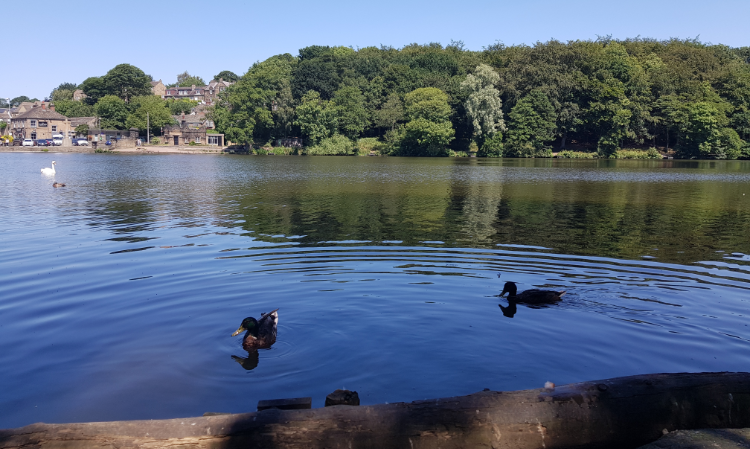
Spotting and fishing the summer carp margin carpet
In warm weather, carp often leave the middle of a lake or slow river and patrol the shallow edge. The “margin carpet” is the narrow strip of feed, cover and underwater features close to the bank. It may be a band of dark silt, flattened weed, overhanging grass or a clean track where fish repeatedly search for food.
This close-range fishing is ideal for beginners because you can learn by watching rather than casting blindly. Summer light reveals cruising backs, cloudy water, bubbles and moving reeds. The aim is to find a regular route, feed carefully and place a simple rig where the carp already want to be.
Finding the margin carpet
Start by walking the bank quietly. Look for a strip that differs from the surrounding bottom: darker mud, a pale gravel patch, broken stems or a shallow shelf dropping into deeper water. Carp commonly follow these edges because natural food collects along them.
In Australia, similar water can be found around Victorian gravel pits, New South Wales irrigation dams and slow sections of the Murray-Darling system. Local carp may be wary in clear shallows, especially where anglers regularly throw bread or pellets. Check access rules and local fishing regulations before setting up, as permissions vary between public waters, private lakes and stocked venues.
Signs that carp are feeding
Bubbles are useful, but they need interpreting. A few small bubbles drifting steadily along the edge can indicate a carp grubbing through silt. Large, sudden patches may be caused by a fish turning or by gas escaping from soft mud. Crayfish, turtles and waterbirds can create similar disturbances.
Watch for faded patches in weed, reed stems trembling without wind and mud clouds appearing in a line. A carp’s back or tail is the clearest evidence, yet you do not need to see the whole fish. Repeated activity in the same two-metre area is often more valuable than one dramatic sighting.
Tackle for close-range carp
Use balanced tackle rather than the heaviest gear available. A 10 to 12 ft carp rod or sturdy float rod, a reel with a reliable clutch and 8 to 12 lb line will handle many margin fish. Increase the strength when snags, timber or heavy weed make a fast, firm landing essential.
A short float rig works well when the water is calm. For slightly deeper margins, a small method feeder can present a compact parcel of groundbait beside the bank; these feeder rod choices explain what to look for when selecting a suitable model. Keep the rod low after the bite and steer the fish away from cover immediately.
Baits that suit warm water
Corn, luncheon meat, bread, worms and soft pellets are reliable starting points. Use the same food that you intend to introduce, but keep the free offerings small. A few grains of corn or a pinch of crushed pellets can hold a fish without filling it.
In hot Australian conditions, bait can spoil quickly in a tackle bag, particularly luncheon meat and prepared particle mixes. Carry small portions in a cool box and avoid leaving food fermenting in sealed containers. Some venues restrict berley or certain baits, so read the local rules rather than assuming a successful method from another water will be allowed.
Presenting the hook bait
Plumb the area quietly before feeding. A landing net handle, marker float or carefully lowered plummet can tell you whether the bottom is firm, silty or covered in weed. Fish the edge of the feeding patch rather than dropping directly into its centre.
Keep the hook bait close to the bottom, with the hook point exposed and the line sunk where possible. If carp are visibly picking food from the surface film, switch to floating bread or a surface pellet, but avoid casting over their heads. A long pause after the bait lands is often better than repeated adjustment.
A simple margin checklist
Use these details to prepare the swim:
- Arrive early enough to observe before feeding.
- Identify a clean landing area before casting.
- Keep disturbance to a minimum near the edge.
- Match hook size and line strength to the bait and cover.
- Carry forceps, a large landing net and unhooking equipment.
- Wet the unhooking mat before handling the fish.
A phone can help record depth, wind direction and where fish appeared, but it should not replace observation. Anglers in Australia often talk about a “quiet corner” or a “bread fish”; the useful meaning is the same: find where carp are comfortable and offer food without making the spot feel dangerous.
A steady summer routine
A productive session can follow this sequence:
- Watch for at least 15 minutes before making the first cast.
- Feed a tiny amount beside, rather than on top of, visible fish.
- Leave the swim alone while checking a second margin area.
- Return when the bubbles or cruising fish settle.
- Strike smoothly and keep pressure away from snags.
- Release the carp in the water until it is fully recovered.
Carp fishing ethics matter at close range. Support the fish’s weight, keep it low over the mat and avoid fishing in extreme heat when safe handling is impossible. Venue information can be confusing when travelling, so sensible location checking notes are useful before committing to an unfamiliar water. For wider reading on fishing-related online resources, this general reference site may also appear during research, although local rules should always take priority.
The key memory is simple: the margin carpet is revealed by repeated signs of feeding, not by guesswork. Watch first, feed lightly, present precisely and give the carp a calm route away from danger.