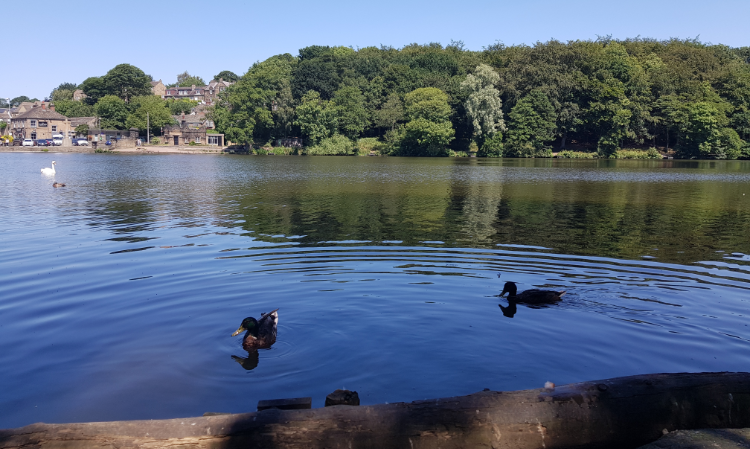
How to prepare a swim for a day’s carp fishing
A productive carp session starts before the first cast. Preparing the swim means reading the water, making space for your tackle, choosing a safe feeding area and arranging everything so the day can be fished quietly and efficiently.
Carp may be found close to marginal cover, over clean gravel, beside reed beds or in deeper channels. The best-looking feature is not always the best place to fish, so take time to watch for bubbling, rolling fish, clouded water and movement among the weed before disturbing the bank.
Choose a suitable swim
Arrive with enough time to study the lake rather than immediately settling into the nearest vacant peg. Look for carp activity, water colour, wind direction and signs that fish have been feeding. A warm wind pushing into a bank can concentrate natural food, while a sheltered area may hold fish during cold or bright conditions.
Consider the water in front of the peg and the swims nearby. You need room to cast, land fish and play them without crossing other anglers’ lines. If the lake is heavily weeded, this guide to finding carp and perch offers useful observations about locating fish around dense underwater growth.
Inspect the margin and lakebed
Once a swim looks promising, examine the margins for snags, overhanging branches, sharp stones and thick weed. These features may attract carp, but they also increase the chance of a breakage. Decide where the fish can be guided before you cast, and keep the landing net assembled and close at hand.
Use a marker float, lead or plumbing technique to feel the bottom if the rules allow it. Identify a firm area among softer silt, a clear strip beside weed or a small change in depth. A clean spot does not have to be large; a dinner-plate-sized area can be enough for a precise bait presentation.
Prepare the bank without over-clearing
Trim only what is necessary. Remove loose sticks, nettles and long grass where they interfere with casting, but avoid making excessive noise or creating a large bare patch. Carp quickly notice repeated disturbance, particularly in shallow, clear venues.
Keep tackle boxes, bait tubs and clothing away from the water’s edge. A tidy bank reduces trips and prevents dropped items from making sudden sounds. Place the rod rests securely, check that the ground will support them and leave a clear route between the rods and the landing net.
These checks help turn a chosen peg into a controlled fishing area:
| Preparation task | What to check | Benefit |
|---|---|---|
| Watch the water | Bubbling, rolling fish and patrol routes | Helps identify a feeding zone |
| Test the bottom | Depth, firmness and weed | Improves rig presentation |
| Check the margin | Snags, branches and landing space | Makes fish care safer |
| Arrange equipment | Rods, net, unhooking mat and bait | Prevents rushed movement |
| Plan feeding | Quantity, accuracy and timing | Limits overfeeding |
Establish an accurate presentation
Set up the rig to match the lakebed and the carp’s likely feeding behaviour. A bottom bait may work over firm ground, while a critically balanced or pop-up presentation can avoid light weed and soft silt. Check that the hook point is clear and that the rig resets correctly after a cast.
Plumb the depth carefully and place the bait where carp can find it naturally. If fishing near weed, leave enough clear water for the fish to move away from the hook without immediately reaching a snag. Mark the line direction or use a reliable clip system so repeated casts land on the same spot.
Accuracy matters more than covering a wide area. A small pile of bait around the hook bait gives carp a reason to search without scattering food across the whole swim.
Build a quiet feeding routine
Start conservatively, especially if you have not seen carp feeding. A few boilies, pellets, particles or pieces of bait may be enough to test the area. Increase the amount only when signs of feeding appear or when the venue’s conditions clearly support heavier baiting.
Match the feed to the session length and the fish present. On a busy commercial lake, carp may consume substantial quantities, while cautious fish in a clear day-ticket water may avoid a heavily baited patch. Use a catapult, pole cup or spod only when you can deliver bait accurately and within the fishery rules.
For close-range fishing, pole fishing techniques can also help place small amounts of bait precisely, although carp tackle must be strong enough for the fish and the surrounding cover.
Arrange tackle for safe fish care
Before casting, assemble the landing net, unhooking mat, weigh sling and forceps. Check that the net is large enough for the carp expected and that the mat is fully padded and positioned away from stones or dry ground. Keep a bucket of water available where venue rules permit it.
Set bite alarms or indicators so they are easy to see and hear without requiring constant movement. Tighten bank sticks, inspect the line for damage and check that the clutch is working smoothly. A spare lead, hook link and pair of scissors should be within reach.
A comfortable seat, warm layers, drinking water and simple food can make the session easier to manage. Avoid repeatedly leaving the swim once the rods are fishing; preparation should make the rest of the day calm.
Use this pre-cast checklist
Walk through the following points just before presenting the first bait:
- The swim and surrounding margins are free from avoidable hazards.
- The landing net, unhooking mat and weighing equipment are ready.
- The rig has been checked for sharpness, damage and correct presentation.
- The chosen spot has been tested for depth, weed and bottom firmness.
- Bait, spare tackle and personal items are arranged within easy reach.
Then make the first cast quietly and watch what happens. The location may need small adjustments as light, wind and carp movement change through the day. Keep notes about the depth, bait and fish activity, as these details become valuable when returning to the same lake.
Prepare your next carp session with patience, accurate observation and safe handling at its centre. Use these steps on the bank, refine them through experience and give every promising swim a deliberate, thoughtful start.