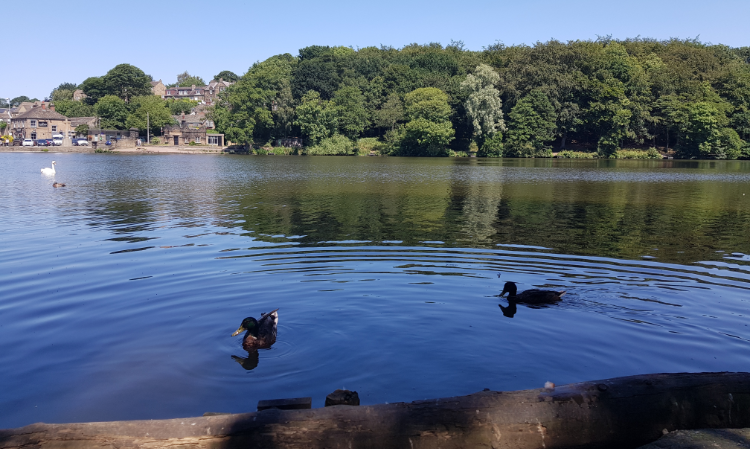
Waggler fishing for shy lake bream in Australian waters
A waggler float shows exactly what a cautious fish does with your bait, and that is the only real information you need when bream are proving difficult. Shy lake bream often drift in to inspect a hookbait before easing off, and the lift of the waggler tells you whether to strike or wait. The approach was developed in British stillwaters but translates well to a wide range of Australian lakes and impoundments.
Across the country, anglers face a similar challenge to those fishing for bream in English drains. European bream have settled in southern rivers, while native species such as silver perch and golden perch respond to the same delicate presentation. Stocked trout in places like Lake Purrumbete also fall to a finely tuned waggler rig. Bright sun and warm shallows push fish deeper in summer, so finesse matters even more.
Choosing the right waggler setup
A peacock-style waggler with an insert at the base offers stability in a gentle ripple and enough sensitivity to register the smallest dip. For distance, a straight-loaded waggler trimmed to two thirds of a grain above the shotting required avoids catapulting the rig on windy afternoons at Blowering Dam. Use natural brown or green tip colours when water is clear; bright finishes alarm fish that have seen plenty of floats drift past.
Main line matters as much as float choice with wary fish. A 3 kg monofilament from BCF or Anaconda stays thin and unobtrusive while holding a fit silver perch. A size 16 or 18 fine-wire hook matched to the bait completes a balanced set. A bolo controller is unnecessary close to the bank, which suits most impoundment sessions when wading out is impractical.
Finding shy bream in Australian lakes
Bream and silver perch rarely roam open water in summer, preferring margins near submerged timber or overhanging willows. Walk the bank and look for bubbles, swirls or a side flash. Early mornings before the wind picks up are most productive, particularly around small bays; late afternoon works through autumn as water cools.
Lakes worth a session:
- Blowering Dam in New South Wales for bream and silver perch in the timbered arms
- Lake Eildon in Victoria, especially the bays near the mouth of the Goulburn arm
- Glenbawn Dam where stocked species respond to subtle waggler tactics in cooler months
- Tidal lakes near Brisbane and the Gold Coast, where yellowfin bream take a static waggler over the cooler months
A quick look over dam walls in southern Queensland will reveal farm dams holding silver perch and small European bream that offer perfect practice for this method.
Rigging with a floating line approach
Plumbing the depth is the most overlooked step. Use a plummet or a bare swim feeder on the hook to confirm the bottom before tying the final rig. Shy bream often sit a few centimetres above the lakebed, so set the depth so the waggler just kisses the surface and the bait rests on or near the bottom. Shot the rig with a bulk of number 6 shot and two number 10 droppers 15 cm apart for a controlled fall.
Casting should be smooth and low to avoid splashing the float. A side-arm lob places the waggler out gently and lets the rig settle without spooking nearby fish. Newcomers often overload with shot to weight the float; hold back instead and let the rig cast itself. For a wider take on subtle presentation, rig design notes offer inspiration from a different angle.
Feeding and bait tactics
Loosefeed in moderation draws fish into the swim without filling fish up. Begin with a small pouch of crushed bread, hemp or maggots every few minutes. Loosefeed should match the hookbait in size and colour so fish take confidently. When the float settles without bites, switch to a finer tip or reduce the bulk to slow the fall.
Reliable bait choices:
- A single bronze maggot on a size 18 for silver perch and small bream
- A 6 mm bread punch fished just under the surface for slow-sipping fish in warmer months
- Sweetcorn softened in warm water for golden perch and larger bream
- A small piece of worm tipped with a caster for wary fish in clear water
Keep casters in a cool pouch on hot afternoons at places like Blowering or St Clair; Australian summers push water past the comfort zone for coarse species, so shaded swims perform better. Waggler fishing compares with feeder work across the calendar, and the pole fishing advantages cover where each method excels.
Playing and landing successfully
The first indication is often no more than a slight lift and settle of the waggler; too quick a strike pulls the hook clean out. Wait for the float to move decisively before lifting into the fish. Keep the rod angle low and let the drag do the work, particularly with larger silver perch or golden perch that fight hard in warmer water.
| Waggler size | Typical use | Shot capacity | Best for |
|---|---|---|---|
| 2AAA (light) | Shallow margins | 2–4 number 6 shot | Small bream, silver perch |
| 2 SSG | Medium distance | 4–6 number 6 shot | Mixed species, breezy days |
| 1 SSG | Deeper water, longer cast | 6–8 number 6 shot | Larger bream, stocked trout |
Slip a large landing net under the fish before lifting it clear; landing net selection matters when handling silver perch in deeper margins. A wide arm avoids tangling with light line, and a deep mesh keeps the hook from working free during the swing. Return the fish quickly: unhook and photograph in the water, and release within thirty seconds in warm weather.
A waggler at last light across a still Australian lake is one of the finest signals an angler can hope to see. When bream or silver perch are proving tricky, scale down the tackle, lighten the feed and slow every movement. Patience, observation and small adjustments throughout the session reward the careful angler.