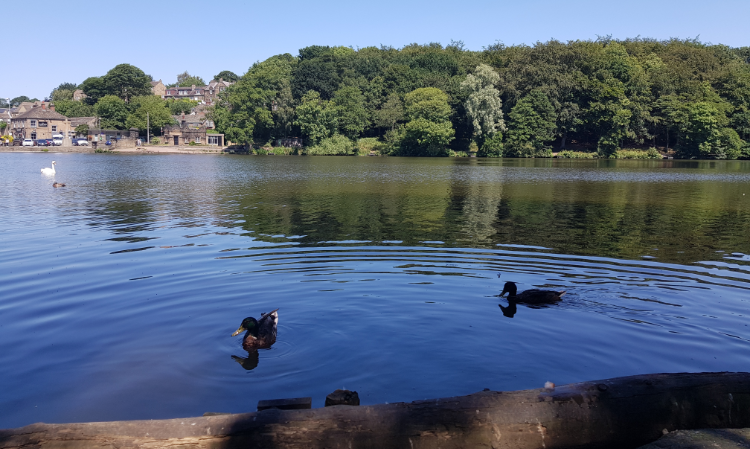
How to Fish a Slider Float for Bream in a Deep Quarry Lake
A slider float is one of the most useful methods for presenting bait at depth when a fixed float cannot be set comfortably. In a deep quarry lake, it lets you cast a compact rig, allow the float to run up the line, and still fish a precise depth near the bottom.
Bream usually respond to a steady feed and an unhurried presentation. The method suits clear, steep-sided water, but Australian anglers need to check local rules first. Some former quarries in Victoria, New South Wales and Queensland are private, restricted or stocked with different species, and freshwater bream should not be confused with the saltwater species found in estuaries.
Reading A Deep Quarry Lake
Start by finding the lake’s shelves, margins and deepest basin. A feature-finding lead or marker float can reveal whether the bottom drops sharply from the bank or levels out several metres from shore. Bream often patrol the first flat area beside a drop, especially where silt has collected.
Wind is useful rather than inconvenient. A light breeze can push food and fine particles towards one bank, making the downwind end worth trying. Avoid standing close to unstable edges, and remember that quarry water can remain cold even during a hot Australian summer.
The quarry fishing journal offers useful background for thinking about depth, features and safe positioning before tackling a new venue.
Building The Sliding Float Rig
Use a robust 11–13 ft float rod, a small fixed-spool reel and 3–5 lb main line. Thread on a float stop, bead, sliding swivel or eye, and a couple of shot groups. Finish with a 30–45 cm fluorocarbon or nylon hooklength and a size 14–18 hook, depending on bait size and the presence of carp.
The float should carry enough loading to cast cleanly without becoming difficult to see. A loaded waggler-style slider is often easier for beginners than a delicate bodied float. Set the bulk of the shot well below the float, leaving a few small droppers near the hook so the bait settles naturally.
Essential Components For A Reliable Setup
- Sliding waggler or bodied slider float
- Float stops and small locking beads
- Main line suited to snags and occasional carp
- Size 14–18 hook with a short hooklength
- Split shot or removable locking weights
- Landing net, unhooking mat and depth marker
Finding The Right Depth
Plumb the swim before adding bait. Clip a plummet to the hook, cast to the chosen area and increase the float-stop distance until the float cocks correctly. Begin with the hook just touching bottom, then try 5–10 cm over depth if the rig drifts too quickly.
A bream bait should travel smoothly down rather than dragging across the lake bed. If the float lies flat, the rig is too deep or the shotting is wrong. If it refuses to cock, reduce the depth slightly or check that weed has not caught around the hook.
Bread, maggots, worms and sweetcorn can all work, though local regulations may restrict live bait. In Australia, a small tub of maggots may be harder to find than in Britain, so shelf-stable options such as corn, bread and worms from a tackle shop or bait supplier are practical. A bait preparation guide can also help with keeping loose feed consistent rather than overloading the swim.
Feeding Without Spooking Bream
Begin with six to ten small balls of groundbait, each about the size of a walnut, or introduce a modest amount of softened bread and corn. The aim is to create a food patch, not a pile that fills the fish. In clear quarry water, excessive feeding can attract carp and make the bream cautious.
Cast beyond the feed, allow the float to settle, then tighten gently until the rig lies correctly. Recast every few minutes if there is no sign of activity, but avoid repeatedly crashing the float into the same spot. A small underarm swing is often quieter once the line has been clipped at the correct distance.
Signs That The Swim Is Developing
- Small lifts or dips before a proper bite
- Line tightening as fish move away with the bait
- Bream rolling or showing pale flanks near the surface
- Occasional bubbles rising from the feeding area
- Roach or small carp appearing before the bream arrive
Casting And Managing The Line
Cast with a smooth overhead movement, keeping the rig compact. As the float lands, feather the reel spool so the hooklength straightens and the line sinks. Place the rod tip just under the surface and turn the handle slowly to remove slack without pulling the float away from the feed.
At long range, striking through several metres of loose line can be slow. Use a controlled lift of the rod followed by a firm sweep sideways. If the float disappears slowly, wait a moment before striking; bream often mouth the bait and move off gradually rather than darting away.
For anglers upgrading tackle, these fishing pole choices are a reminder that the rod should match the venue and technique, although a pole is not the tool for this long-range slider method.
Adjustments For Changing Conditions
Quarry lakes can change quickly when wind direction shifts or bright sunlight exposes the bottom. If bites stop, alter one variable at a time: depth, hook bait, feeding rate or casting position. Moving only a few metres can place the rig on a better contour.
| Problem | Likely cause | Useful adjustment |
|---|---|---|
| Float will not cock | Rig too deep or tangled | Shorten depth and inspect hooklength |
| Bait returns untouched | Fish are feeding higher | Fish 10–30 cm shallower |
| Constant small bites | Small roach are intercepting bait | Use larger corn or worm |
| Float drifts away | Too little line control | Sink the line and increase bottom shot |
| Carp dominate | Feed is too rich | Reduce loose feed and use a stronger hooklength |
For Australian venues, carry a hat, polarised sunglasses, plenty of water and an esky for food rather than relying on a nearby shop. Access may involve a long walk from a car park, and mobile coverage around a remote quarry can be unreliable, so tell someone where you are fishing.
Your First Slider Session
Keep the first attempt simple: choose a safe bank, measure the depth carefully, feed lightly and fish one line consistently for at least 30 minutes. Record the depth, wind direction, bait and time of each bite so the next session begins with useful information.
Before leaving home, check the state fishing regulations, confirm that the quarry permits angling, and prepare the rig with the float stop already threaded. On your next session, plumb one flat area beside a drop-off and begin with the hook just touching bottom.