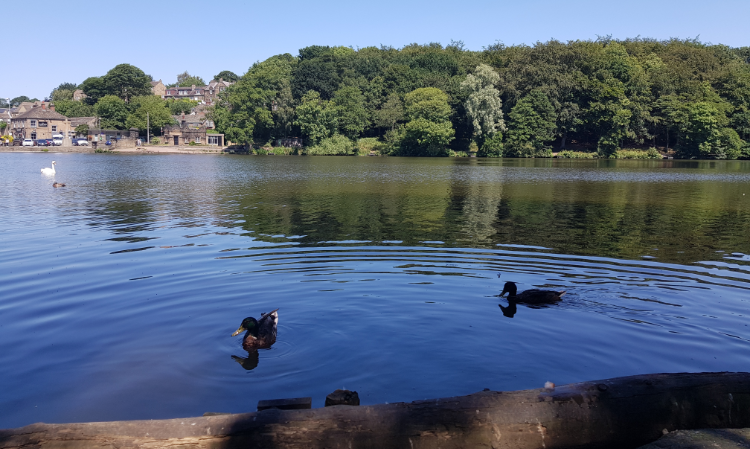
Fishing for Carp on a Floating Crust: When and Where
Few carp baits are as simple, inexpensive, and exciting as a piece of bread crust drifting across the surface. When a carp turns, sucks it down, and moves away, the visual bite is hard to beat. It is also a forgiving method for beginners because the bait is easy to prepare and adjust.
Surface fishing works best when carp are already willing to feed in the upper layers. Warmth, light wind, insects, and a calm water surface can all encourage fish to patrol margins and flats. The key is to watch before casting rather than scattering bread and hoping carp arrive.
A floating crust is most effective when it looks like a natural, isolated food item. Too much bait can make carp cautious, while a poorly presented hook can cause a missed take. Careful observation and a quiet approach usually matter more than expensive tackle.
Choose The Right Conditions
Late spring through early autumn is the usual window for surface bread fishing in the UK. Carp become more active as water temperatures rise, and they may feed confidently during sunny spells, especially after several settled days. Early morning, late afternoon, and warm, overcast periods can all produce.
Avoid assuming that bright sunshine is always best. A light ripple can give carp confidence and hide your line, while a strong wind may push floating food into an awkward corner. Heavy rain, sudden cold weather, and falling temperatures often send carp back into deeper water.
Look For Carp Before Casting
Search the margins first. Carp often patrol reed beds, lily pads, overhanging bushes, moored boats, and shallow bays where natural food collects. In clear water, look for dark shapes, moving weed, swirls, bubbles, or the pale flash of a fish turning beneath floating debris.
Do not walk directly along the bank if fish are close in. Keep low, avoid sudden movements, and use cover wherever possible. A pair of polarised sunglasses can reveal fish and reduce surface glare. If carp are already feeding on bread from a regular angler or nearby café area, they may respond quickly, but wary fish require a much more restrained approach.
Build A Reliable Surface Rig
For short-range work, a light carp or float rod, small fixed-spool reel, and strong monofilament are sufficient. A controller float or a small bubble float helps cast further, while a freelined crust is ideal when the fish are close and the water is calm. Use enough breaking strain to control carp near reeds without making the presentation unnecessarily heavy.
Bread crust stays on the hook better than soft white bread, but preparation still matters. Tear off a firm piece with a fluffy underside, compress the centre lightly, and leave enough surface area for the bait to float. Hook it through the tougher edge, or mount it on a small hair if the rules and tackle suit that approach.
| Situation | Useful Approach | Main Risk |
|---|---|---|
| Carp close to the bank | Freelined crust | Spooking fish with line or movement |
| Fish feeding 10–20 metres away | Small controller float | Splashing on the cast |
| Light ripple on the surface | Slightly larger crust | Bait sinking or breaking apart |
| Carp near weed or snags | Stronger line and firm hook hold | Losing fish during the first run |
Feed Sparingly And Cast Accurately
Begin with one or two small pieces of bread rather than a carpet of floating bait. Place them several feet away from the target fish and watch how the carp reacts. If it moves towards the freebies, introduce the hooked crust into the same drift, keeping it visually similar to the loose offerings.
Accuracy is more important than distance. Cast beyond the feeding area when possible and draw the bait gently into position, rather than landing directly on a carp’s head. Keep the line floating clear of the feeding zone, or use a controlled slack line if the wind allows. Striking too early is a common mistake; wait until the crust disappears and the carp has turned before tightening.
Adapt To Banks, Canals, And Rivers
Stillwaters and estate lakes are often the easiest venues because carp can gather in shallow bays and become accustomed to surface food. Commercial fisheries may have specific rules about floating baits, hook sizes, controller floats, and feeding quantities, so check the venue regulations before fishing.
Canals demand stealth because carp may travel along predictable margins, moored boats, and shaded cover. Rivers are less consistent, but a slack near an island, backwater, or crease can collect natural floating food. For broader river baiting ideas during colder months, these winter groundbait mixes explain how feeding strategy changes when surface fishing is unlikely to work.
Handle The Take And The Fish
Keep the rod tip low and your finger near the reel line, but avoid holding the line tightly over the carp. When the bait vanishes, allow a brief moment for the fish to turn. Then lift smoothly into the fish rather than striking violently, as a hard strike can pull the hook free from a thin crust.
Use a landing net large enough for the carp you expect to catch and wet the unhooking mat before bringing the fish ashore. Keep the fish low over the mat, support its body properly, and return it promptly. Surface fishing is visual and active, but careful fish care remains essential.
Simple Choices That Improve Results
A short checklist helps keep a crust session focused:
- Watch the water for several minutes before preparing a cast.
- Carry both floating crust and sinking bread in case carp change depth.
- Use a small, sharp hook matched to the size of the bait.
- Keep spare crust sealed in a bag so it does not dry out or become unusable.
- Check local rules about surface feeding, hook patterns, and controller floats.
Record the weather, water clarity, time of day, and areas where carp appeared. Patterns quickly emerge, and a quiet corner that produces one surface fish may become a dependable spot in similar conditions. More practical guidance on rigs, baits, and coarse fishing situations is available through the coarse fishing advice.
Pack light, approach quietly, and give the fish time to show you where they feel safe. A carefully placed piece of floating crust can turn an ordinary warm day beside a lake, canal, or river into one of the most memorable carp sessions of the season.