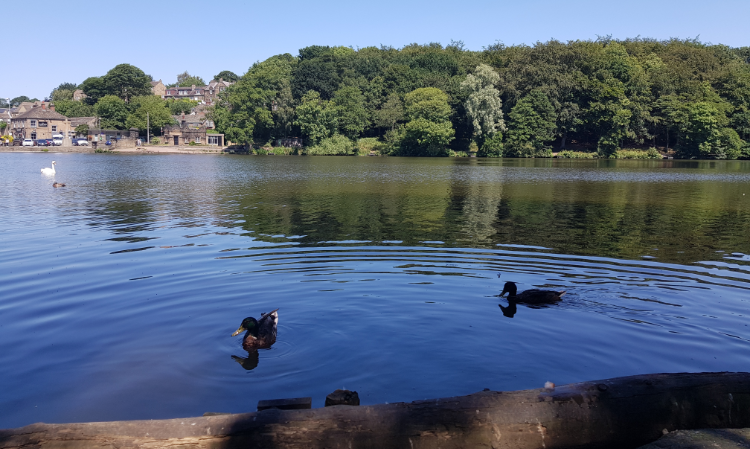
Fishing a Waggler for Bream in Shallow Stillwaters
Bream in shallow lakes, farm dams and estate ponds can provide steady sport when they are feeding in open water. A waggler float is particularly useful because it allows you to cast beyond the bank margin, search different depths and present bait quietly over a bed of groundbait.
The method suits Australian waters as well as traditional British-style coarse fisheries. Around Melbourne and Brisbane, anglers may find bream-like silver fish in stocked lakes, irrigation impoundments and private waters, although the species present can vary widely. Local rules, access arrangements and stocking policies should always be checked before fishing.
Shallow stillwaters warm quickly, especially during an Australian summer. That can push fish into slightly deeper areas during the middle of the day, while early morning and late afternoon may bring them into the margins. Wind is also important: a light breeze can improve presentation by moving food naturally, but strong gusts make a waggler difficult to control.
The approach is simple in principle, yet small adjustments matter. Correct float loading, a carefully chosen depth and restrained feeding will usually produce more bites than constant casting. If you are still developing your general approach, these practical notes on how to fish provide a useful foundation.
Finding bream in shallow water
Bream often patrol predictable routes between weed, reed beds, islands and gentle changes in depth. In a featureless dam, look for the edge of a weedbed, a patch of silt or a sheltered bank where wind has pushed natural food. Avoid assuming that the deepest water is automatically best; in a shallow lake, a change from 60 centimetres to one metre can be enough to hold fish.
Begin by plumbing the depth with a lead or plummet. Set the hook bait just on the bottom or an inch above it, then make several casts at different distances. If the bottom is uneven, a float that cocks consistently is more valuable than a long cast.
Windward banks can collect insects, seed and suspended food, but dirty water and heavy undertow may make float control difficult. On bright days around Sydney or Perth, a shaded bank or slightly deeper margin can be more productive once the sun is high.
Choosing tackle and float loading
A 3.6 to 3.9 metre match or general-purpose float rod, paired with a smooth 2500-size reel, is suitable for most modest bream. Six to eight-pound main line gives useful abrasion resistance around reeds, while a two to four-pound hooklength helps present small baits naturally. Step up the strength when carp, golden perch or heavy weed are common bycatch.
Use a straight-bodied or slim-bodied waggler for calm water. Insert wagglers are sensitive for delicate bites, whereas bodied models are easier to see when surface glare or a crosswind is present. Lock the float with enough shot to leave only the tip showing, but avoid overloading it so the rig sinks unnaturally.
Shot should be distributed to make the rig stable without creating a stiff, lifeless fall. A bulk of weight below the float helps in deeper water, while a spread of smaller shot can give a slower descent in very shallow swims. Keep the final shot close to the hook tiny and unobtrusive.
Baits and measured feeding
Bread, sweetcorn, maggots where legally available, worms and small pellets can all take bream. In Australia, packaged options from tackle shops in Adelaide, Melbourne and regional centres may be more consistent than relying on live bait, but bait restrictions differ between states and waterways. Never introduce food that is prohibited or likely to spread unwanted species.
Start with a small amount of groundbait or loose feed. A few grains of corn, casters or pellets every cast may be enough in warm water, while larger quantities can bring nuisance carp or fill the fish quickly. Feed accurately with a small cup, catapult or by hand only when the distance is short and safe.
Sensible feeding choices
- Begin with three or four small offerings rather than a large carpet of bait.
- Match the hook bait to what is being fed.
- Reduce feed when bites become hesitant or fish move off the line.
- Keep spare baits ready for roach, carp and other competing species.
When using commercial groundbait, dampen it gradually until it forms a loose ball that breaks down on the bottom. Heavy clay-like mixes can bury the hook bait in shallow silt, while a fluffy mix may disperse before attracting fish.
Presenting the rig accurately
Cast beyond the feeding area, allow the waggler to settle, then draw the float gently into position if necessary. This places the hook bait over the feed without dropping the rig directly on top of feeding fish. Keep the rod tip low and sink the line with a short, firm pull to reduce the effect of wind.
Bream bites may appear as a slow lift, a sideways glide or a gradual disappearance. Wait until the float moves decisively, then lift the rod smoothly rather than striking violently. A size 14 to 18 hook covers many bread, corn and worm presentations; use the smallest pattern that holds the bait securely.
Small adjustments that improve presentation
- Re-plumb after moving the float more than a metre.
- Try laying a few centimetres of hooklength on the bottom if bites are missed.
- Shorten the depth when fish are clearly intercepting bait on the drop.
- Move the shot nearest the hook if the bait is falling too quickly.
- Recast if floating weed or leaves foul the line.
A waggler works best when the float remains easy to read. If the rig drifts continuously across the swim, either reduce the line above the float, use a heavier model or move to a more sheltered position.
Fishing responsibly in Australian waters
Species identification and local legislation matter. Carp are declared noxious in several Australian jurisdictions, and rules may require them to be killed rather than returned. Some waterways prohibit berley, live-bait use, fishing with multiple rods or the movement of fish between waters. Check the relevant state fisheries department and the specific lake authority before setting up.
Heat also changes tackle care. Keep maggots, worms and groundbait cool, carry plenty of water and avoid leaving bait or landed fish in direct sun. Strong ultraviolet exposure can weaken line over time, so inspect knots and hooklengths regularly, particularly after fishing around snags.
If you are comparing floats, rods or reels, use current specifications rather than assuming older recommendations still match the Australian market; stock and models can change quickly. A practical guide on choosing the right float can help narrow the selection.
A successful session usually comes from reading the water, feeding sparingly and keeping the rig stable. In shallow stillwaters, a correctly loaded waggler can find bream at range while preserving a natural bait presentation close to the bottom.
The key point to remember is that depth, float balance and restraint matter more than expensive equipment. Find the feeding line, make small changes and let the waggler show you what is happening below the surface.