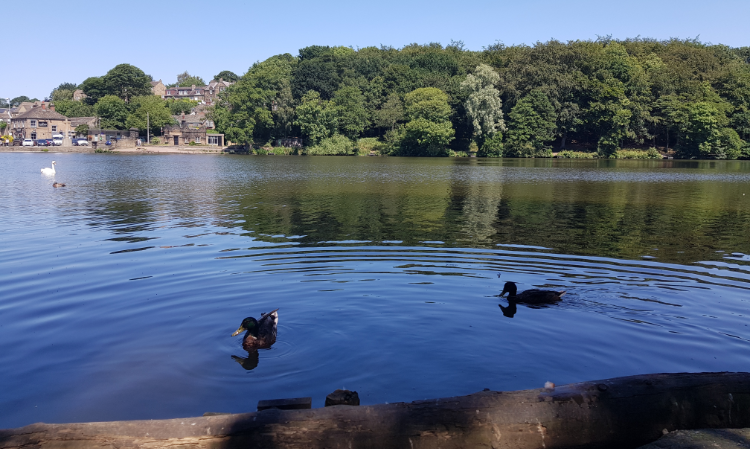
Fishing a small pellet on a hair rig for winter roach
Winter roach often give sparse, delicate bites, but a small pellet on a hair rig turns that caution into an advantage. The bait is visible without being bulky, while short hair lets it settle naturally beside lake bottoms instead of bouncing away from a wary fish.
The rig can stay simple: a small hook, fine leader, swivel and modest hair carrying the pellet. Presented on a pole or compact feeder setup, it detects subtle bites without dragging the bait through open water.
Australian winter covers June to August and may be milder than a British winter, although cold fronts still suppress feeding. Around Melbourne and Canberra, anglers can face clear, calm water; Sydney's sheltered coastal lakes may remain coloured after rain.
European roach is not a common target in Australia, so confirm the species and permissions before travelling. The method can translate to other coarse fish that may legally be targeted, especially carp, provided state and territory licences, size limits and local closures are respected.
Why small pellets suit cold water
A small pellet offers more scent and substance than a single grain without demanding a large hook or aggressive presentation. Its slower fall gives winter fish time to inspect it, which matters when the water is clear and fish feed close to the bottom.
The main rig variations are:
| Presentation | Pellet | Hair | Best suited to |
|---|---|---|---|
| Fine hair rig | 4–6 mm | 10–20 mm | Shy roach in clear or slow water |
| Snowman hair rig | 6–8 mm with a crushed 4 mm topper | 10–25 mm | Larger fish or stronger bites |
| Feeder hair rig | 6–10 mm | 15–30 mm | Open-lake feeding where fish compete |
| Stiffer hair rig | 6–8 mm | 15–25 mm | Dense weed or quicker lifts |
For clear water, start with the smallest bait that will stay on the hair. Move to a snowman or feeder presentation only when the lake contains larger, bolder fish or the small version produces no interest.
Building a sensitive hair rig
I favour a size 8–10 hook for small roach, stepping up to size 6–8 for larger specimens. Tie the hair 10–25 mm long with a stiff knot, trim it neatly, and add a small swivel if line twist is possible. A short leader keeps the hooklink sensitive.
Test the hair knot and rig movement in water, then add the pellet. The bait should hang naturally, with the hook just above the bottom. In a PVA mesh bag, one pellet and a little loose feed are enough for an initial spot; avoid packing it so tightly that it will not break down.
Feeding and bait presentation
Feed sparingly. Use a small groundbait of crushed pellets or dampened chaff, then add only a few loose pellets around the hook. Too much food creates a comfortable feed but removes the need to take a carefully presented bait.
Keep the bait stationary until a fish shows interest. Tight line, a slack-free rig and patience make the first take easier to see. If bites arrive but the hook misses, shorten the hair or reduce the hook size before changing the bait.
Adapting lake fishing for Australia
Australian conditions require flexible depth control. On cold, clear mornings around Melbourne or Canberra, fish may hold over gravel shelves and reed edges. Sydney anglers should expect colour and shelter to matter more than extreme cold.
Many weekend anglers combine a dawn trip to a nearby lake with a stop at a suburban tackle shop. Australian carp-angling pellets are readily stocked locally, while a 4–6 mm hair bait may need smaller packets or crushing from a firmer pellet. Ready-made rig components may require an online marketplace.
Rules differ across Victoria, New South Wales and the ACT. Check your state or territory licence, bag and size limits, protected-species rules and council notices through the relevant fisheries department. Some waters restrict bait, methods or bank access. A private venue's stock list does not override those conditions.
Practical tackle and bait checklists
A dedicated float pole makes this presentation easy to control, especially close to a snag. The site's best fishing poles offer a useful starting point, though UK product ranges differ from Australian shelves and local prices.
Rig and bait choices
- Size 8–10 hook for small fish; size 6–8 for larger specimens.
- 10–20 mm of hair for clear water, lengthened where bottom bouncing works.
- One 4–6 mm pellet, with a PVA bag holding a pinch of loose feed.
- A small swivel and short leader that keep the bite sensitive.
Session choices
- Your current licence, applicable bag limits and local restrictions.
- A shallow margin near gravel, weed or a gently sloping feature.
- Pliers, a landing net, fish mat and sealed bait container.
- Notes on temperature, clarity, wind and successful bite times.
Reading bites and landing safely
The line should tighten rather than jump when a fish takes the bait. On a pole, lift only enough to take the slack; on a feeder, wait for the full movement before striking. A short, confident lift beats a fast reel-in.
Use a net, wet the fish, remove the hook quickly and keep it in the water while unhooking. Do not rush the physical side of landing: the account of a painful match injury illustrates why forcing a painful movement can worsen it.
A repeatable winter lake session
Arrive early, check the rules and look for a clear drop-off, weed edge or gently sloping gravel shelf. Set the hook just above the bottom, begin with one small feed, and let the rig settle before making bait changes.
If there are no bites, move only after checking depth, presentation and clarity. Try a slightly longer hair, a different pellet size or a new area rather than adding large amounts of feed. Record what changes, especially on cold fronts and after rain.
The method succeeds when the bait is small, the presentation quiet and the legal requirements clear. Remember those three controls, and the rig gives winter roach and suitable local coarse fish a fair chance without needless complexity.