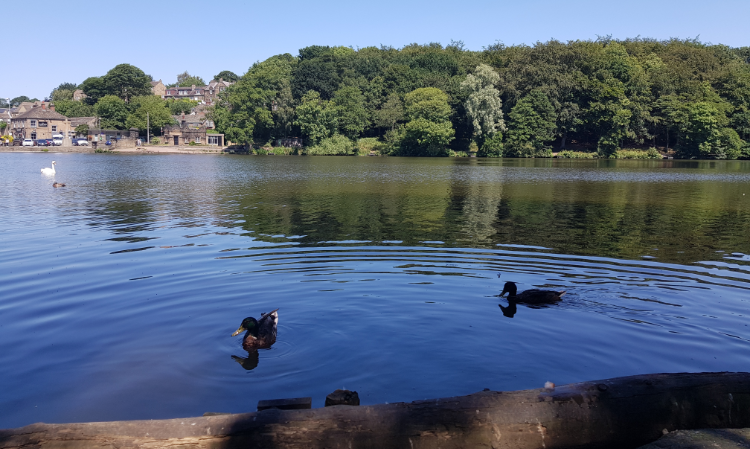
Fishing A Pellet Waggler For Carp In Summer Doldrums
Bright, still summer days can make carp surprisingly difficult to catch. The surface may look alive with cruising fish, yet bites become brief, cautious and widely spaced. This is when a pellet waggler can turn a slow session into an active one by presenting bait in the upper layers where carp are already feeding.
The method is built around regular loose feeding rather than a fixed bed of bait. Small pellets create noise and competition as they fall, while the float lets you cover different depths quickly. It is especially effective on commercial fisheries, shallow gravel pits and calm lake margins where carp respond to surface disturbance.
Success depends on control. Feeding too much, using a float that is too heavy or fishing at the wrong depth can make wary fish disappear. A simple, adjustable approach is usually more productive during hot-weather conditions.
Why The Pellet Waggler Works In Hot Weather
Carp often leave the bottom when water temperatures rise and oxygen levels become uneven. They may patrol halfway up in the water, sit beneath floating weed or intercept pellets before they reach the lakebed. A pellet waggler is designed to copy this falling-food situation.
The float is usually loaded or semi-loaded, with enough weight to cast accurately but sufficient buoyancy to show a fast lift or slide. It lands with a clear plop, followed by a few pellets around it. This sound can attract carp from a distance without creating the heavy splash of a large method feeder.
The key is to make every cast part of the feeding pattern. Loose feed should fall through the same area, encouraging fish to compete rather than wait for a static pile of bait.
Tackle And Rig Details
A 10 to 12-foot commercial carp or match rod is usually ideal, paired with a reel containing strong, low-stretch monofilament. Main line around 6lb to 8lb is suitable for open water, while snaggy islands, reeds and lily beds may require heavier line. A forgiving rod helps protect the hook length during sudden runs.
For anglers comparing different styles of feeder equipment, these feeder rod options provide useful context, although a pellet waggler outfit normally has a quicker, lighter action. A running-line setup with a small swivel, float adapter and short hook link keeps the rig tidy and easy to adjust.
Use a strong size 16 or 18 carp hook with a banded pellet, hair-rigged pellet or small piece of meat as hook bait. Keep the hook link relatively short, often 10 to 18 inches, so the bait stays close to the feeding cloud. Check that the hook point is exposed and sharp before every session.
Finding The Right Depth
Begin by plumbing the swim or estimating its depth from previous visits. Set the bait perhaps 18 inches to 2 feet deep in shallow water, then increase the depth if bites do not come. Carp may be taking pellets just below the surface, but they can also hold several feet down on bright, calm days.
Watch the loose feed as it falls. If pellets vanish near the surface, shallow presentation is sensible. If they continue sinking, try fishing deeper and allow the float to settle before expecting a bite. A missed indication may mean the bait is passing through the feeding zone too quickly.
Wind direction also matters. A gentle ripple often improves the method by disguising line movement and breaking up the float’s outline. If the surface is glassy, cast beyond the feeding area and draw the rig into position rather than crashing directly over the fish.
| Situation | Loose-feed approach | Starting depth | Hook bait |
|---|---|---|---|
| Calm and clear water | Six to eight 6mm pellets every cast | 18–24 inches | Banded pellet |
| Light ripple | A dozen pellets, then reduce after a sign | 2–3 feet | 6mm or 8mm pellet |
| Carp showing deeper | Feed steadily but avoid large handfuls | Midwater to near bottom | Pellet or corn |
| Fish competing hard | Small feed frequently | Adjust by bite depth | Hard pellet |
Feeding Without Overdoing It
A common mistake is to feed too many pellets after seeing carp. Start with a small pinch or six to ten pellets, cast the float over them and repeat at regular intervals. The aim is to keep fish searching, not fill them. In warm water, carp may eat heavily, but they can also become suspicious when a large pile suddenly appears.
Accuracy is more valuable than volume. Pick a far-bank tree, post or reed clump as a reference and aim every cast toward the same point. If the float lands several feet away from the previous feed, the fish will spread out and the bite pattern will become difficult to read.
When a carp is hooked, stop feeding briefly and let the swim settle. After landing the fish, restart with a smaller amount before returning to the normal rhythm. This prevents the next cast from arriving over an empty area.
Reading Bites And Playing Carp
Pellet waggler bites are not always dramatic. The float may slide sideways, dip halfway or lift as a carp takes the bait and moves upward. Strike promptly but smoothly when the movement is positive. Avoid hitting every tiny tremor caused by pellets or tow.
Keep the rod high during the first run and use the clutch to absorb lunges. A carp hooked near an island or reed bed should be steered away early, while open-water fish can be allowed to run. Maintain steady pressure rather than pumping the rod aggressively.
Landing equipment deserves equal attention. A large, soft carp net reduces the chance of damaged fins and makes unhooking easier. Wet the unhooking mat before placing the fish down, support the carp properly for photographs and return it quickly.
Adjustments For Difficult Sessions
If the float shows activity but no proper bites, change depth in small increments rather than abandoning the area. Moving from two feet to three feet can put the bait directly in the feeding layer. You can also shorten the hook link or switch to a smaller pellet when carp are mouthing the bait.
When surface activity stops, fish the margins, shaded water or the downwind end of the lake. A few minutes of cloud cover can move carp higher, while prolonged sunshine may push them close to cover. Keep watching for fizzing, swirls, liners and floating pellets being intercepted.
For readers who send catch reports or photographs through the website, the privacy policy explains how submitted information is handled. Keeping notes about weather, depth, pellet size and feeding rate is equally useful because summer patterns often repeat from one visit to the next.
Practical Recommendations For Your Next Session
A reliable session plan is more useful than carrying every possible float and bait. Prepare a couple of rigs before leaving home, mark likely casting points and take enough hook baits to change presentation without disrupting the swim.
Use these simple priorities:
- Begin with a light feeding rhythm and increase it only when carp compete confidently.
- Change depth by six to twelve inches when indications fade.
- Choose the lightest float that still casts accurately and remains visible.
- Keep the hook sharp, the line free of tangles and the landing net ready.
- Stop feeding during the fight, then rebuild the swim gradually after landing a fish.
Take the pellet waggler to a shallow lake or commercial carp water on the next warm, settled day. Start conservatively, watch how the pellets fall and let the fish show you the correct depth. With accurate casting and disciplined feeding, even a quiet summer session can produce confident bites and memorable carp.