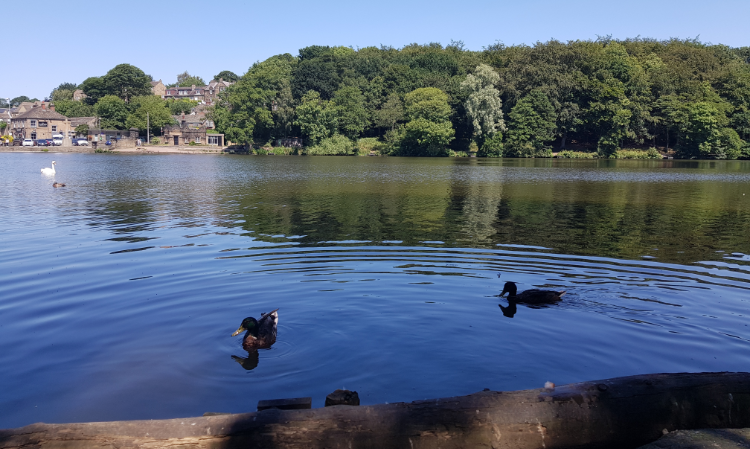
Fishing a Float-Fished Worm for Roach in a Flooded Meadow
A flooded meadow can look unpromising at first: shallow brown water, drowned grass and very little visible flow. For roach, however, it may provide cover, food and a quiet edge away from the main current. A float-fished worm presented close to the bottom can be an excellent way to find them.
The method suits anglers who prefer a simple approach. You need a balanced float outfit, a small hook, a few split shot and fresh worm. The key is controlling the bait over uneven depth while keeping enough sensitivity to spot a cautious bite.
Although the setting may suggest a British river meadow, the principles transfer well to Australian water. A flooded drain, creek margin or irrigation channel can offer similar features, though roach are less widespread there than carp, redfin and golden perch. Always check local rules and biosecurity requirements before moving bait or fishing a new venue.
Reading A Flooded Meadow
Begin by looking for the safest and clearest water rather than casting straight into the middle. Roach often gather beside flooded reeds, submerged tussocks, bushes or a slightly firmer margin. A small crease where floodwater meets the original channel can be especially productive.
In Australia, comparable places may be the edge of a billabong, a swollen creek beside pasture or a shallow section of an irrigation system. In the UK, a field drain or flood-swollen backwater can hold fish that have moved out of a stronger river current. Avoid trampling soft banks, and keep well away from unstable floodwater.
Choosing The Float Rig
A slim waggler or a light stick float works well when the water is fairly calm. Use enough shot to sink the line below the surface film, with the bulk of the weight several centimetres above the hook and one or two small droppers closer to the bait. This helps the worm settle naturally.
For a rod, choose a light float model around 3.3 to 3.6 metres long, matched to a small fixed-spool reel. Advice on selecting a suitable float rod can help beginners avoid buying a powerful carp outfit that masks delicate roach bites.
Setting Depth And Presentation
Plumb the swim carefully before fishing. Start with the hook just touching bottom, then test slightly shallower if the float drifts into weed or repeatedly lies flat. Roach commonly feed close to the lakebed or riverbed, but they may rise when loose offerings are falling through the water.
Use a small piece of dendrobaena, redworm or chopped worm on a size 16 to 20 hook. Thread the point through the thicker end and leave only a short tail moving freely. A large, untidy bait can attract nuisance fish and make a roach bite difficult to hook.
Feeding Without Overdoing It
Floodwater can carry natural food into the meadow, so feeding should be restrained. Begin with a few maggots, casters or tiny balls of dampened groundbait. If using chopped worm, add only a pinch at a time rather than several whole worms.
The Australian habit of calling small amounts of bait “a little berley” can be useful here, but avoid creating a heavy trail that brings carp or bream into the swim. Roach fishing rewards regular observation: feed two or three times, then wait to see whether the float begins to dip, tremble or move sideways.
Controlling The Float
Cast beyond the intended spot and allow the rig to settle before guiding it into position. Hold the rod high enough to keep some line off the water, but do not drag the float. A slow, natural travel through the swim is usually better than a perfectly stationary presentation.
If there is a little flow, try holding back gently by touching the reel line with a finger. This makes the hook bait rise fractionally and then fall, which can trigger a roach. In still flooded water, occasional tiny lifts of the rod tip can produce the same effect.
Detecting Subtle Bites
A roach bite may appear as a single tremble, a brief lift of the float or a slow disappearance beneath the surface. Strike promptly but lightly, lifting the rod rather than sweeping it hard. Fine-wire hooks can straighten, and thin hook lengths are easily broken by an aggressive strike.
Use a main line around 0.12 to 0.15 millimetres and a hook length closer to 0.09 to 0.12 millimetres when the water is clear. If the meadow is full of submerged stems, increase the strength slightly and keep the fish away from cover with steady side pressure.
Adjusting For Local Conditions
Australian anglers should be especially careful around waterways affected by drought, sudden storms or irrigation releases. Water levels can change quickly, and a flooded paddock may be private land or temporarily unsafe. In New South Wales, Victoria and South Australia, access, species restrictions and bait rules can differ between fisheries, so consult the relevant state authority before fishing.
Where common roach are absent, the same float-and-worm arrangement may take small carp, redfin or other permitted species, but do not assume that every introduced fish can be used as live bait. General background information can be checked through this reference site alongside official fisheries information, venue notices and local tackle-shop advice.
A productive session depends on quiet watercraft more than expensive equipment. Find the edge of the old channel, plumb the depth, feed sparingly and keep the worm close to the bottom. The practical takeaway is simple: in flooded meadow water, a small float and a modest piece of worm will often outfish a complicated rig when presented carefully.