Bread Flake Fishing for Lake Roach on a Size 10 Hook
Bread is one of the simplest baits for roach, yet it rewards careful preparation and a light, quiet approach. A soft flake pinned to a size 10 hook can be especially useful when fish are feeding confidently near the margins, around reed beds, or over a clean lakebed.
For Australian anglers, the method is worth adapting rather than copying directly from a UK pond guide. Roach are not common in every Australian water, and local rules vary between states, so check the regulations for your lake. In some waters, carp, redfin or native fish may take the bait first, while in others an introduced roach population may provide excellent sport.
Choosing The Right Lake Swim
Look for a sheltered margin with a little depth close to the bank. Roach often patrol where submerged weed, reeds, overhanging branches and a firm bottom meet. On a hot Australian arvo, shaded water can be more productive than an exposed bank, particularly when the lake is busy with families, kayaks or nearby picnic activity.
Keep your first feed modest. A few pinches of liquidised bread or two or three small crumbs are enough to see whether fish are present. Throwing in several slices can attract carp and ducks, quickly turning a delicate roach session into a battle with a larger fish.
Preparing Bread And Tackle
Use fresh white bread with a slightly springy texture. Tear away the crust, pinch a small flake around the bend of the hook and compress only the edges. The centre should remain soft enough to break down and release tiny particles. If it is squeezed into a hard pellet, it may look unnatural and fail to offer the easy mouthful roach expect.
A 10-size hook is larger than many anglers would choose for small roach, but it gives the bread flake useful holding power and copes with accidental carp. Choose a fine-wire pattern, a light line around 1.5 to 2.5 kg breaking strain and a small, sensitive float. A 1.5 to 2 g waggler or slim pole float is suitable where wind allows.
Presenting The Flake Naturally
Set the float so the bait is either just touching bottom or slowly settling through the final part of the water column. Roach commonly intercept falling food, so avoid anchoring the rig too firmly if the lake is calm. Shot should be spread progressively down the line, with the smallest shot nearest the hook.
Watch for lifts, dips and sideways movements rather than waiting for a dramatic disappearance. Strike by raising the rod smoothly, keeping the movement controlled. A size 10 hook catches securely when the flake is presented correctly, but a violent strike can pull the bait away or break light line.
| Component | Practical choice | Purpose |
|---|---|---|
| Hook | Fine-wire size 10 | Holds a small flake and handles better fish |
| Main line | 1.5–2.5 kg | Keeps the rig discreet |
| Float | Slim waggler or pole float | Shows delicate bites |
| Bait | Fresh white bread flake | Soft, visible and inexpensive |
| Feed | Liquidised bread crumbs | Keeps fish searching without overfeeding |
| Landing net | Fine mesh, small diameter | Protects light tackle and fish |
Reading The Water And Bite
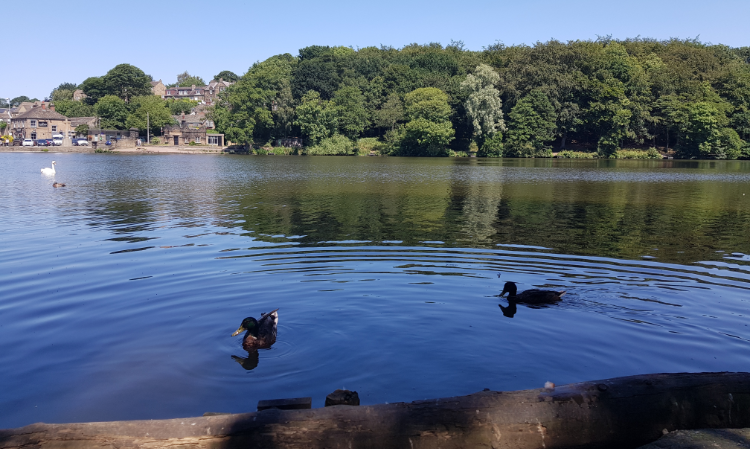
Before casting, spend several minutes watching the surface. Tiny dimples, flicking fry, clouded patches over the bottom or occasional silver flashes can reveal feeding fish. Bank observation is a valuable skill in its own right; even visual references such as watercraft photography can sharpen your awareness of margins, reflections and structure when planning a session.
Make a few short casts before fishing at maximum range. Roach may be close under your feet, especially early or late in the day. Keep low, avoid stamping on the bank and place the float gently. On a crowded Victorian reservoir or a popular New South Wales recreation lake, quiet presentation can matter more than having expensive tackle from a large chain store.
Change one variable at a time. If the float remains still, try shallower depth, a smaller flake or a position nearer weed. If bites are missed, the bread may be too large, the hook may be masked or the float may be over-shotted. Do not assume a single unproductive cast proves the swim is empty; that is a form of sampling bias that can lead anglers to abandon good water too quickly.
Handling Fish And Adjusting The Rig
Roach have delicate mouths, so keep the rod angled and let the fish swim rather than pumping it straight to the net. A landing net is sensible even for modest fish, particularly when a carp has taken the same bait. Wet your hands before handling the fish, support it carefully and return it promptly.
If small fish are present, reduce the flake to a thumbnail-sized piece while retaining the size 10 hook, or move to a smaller hook if bites continue to be missed. Where carp dominate, shorten the hooklength, use a firmer flake and fish close to cover only when you can control the fish safely.
Start with a quiet margin, two or three small offerings of crumb and a carefully mounted flake. Set the float to fish just over depth, watch the first ten minutes without changing everything at once, and make one measured adjustment after each unproductive run.