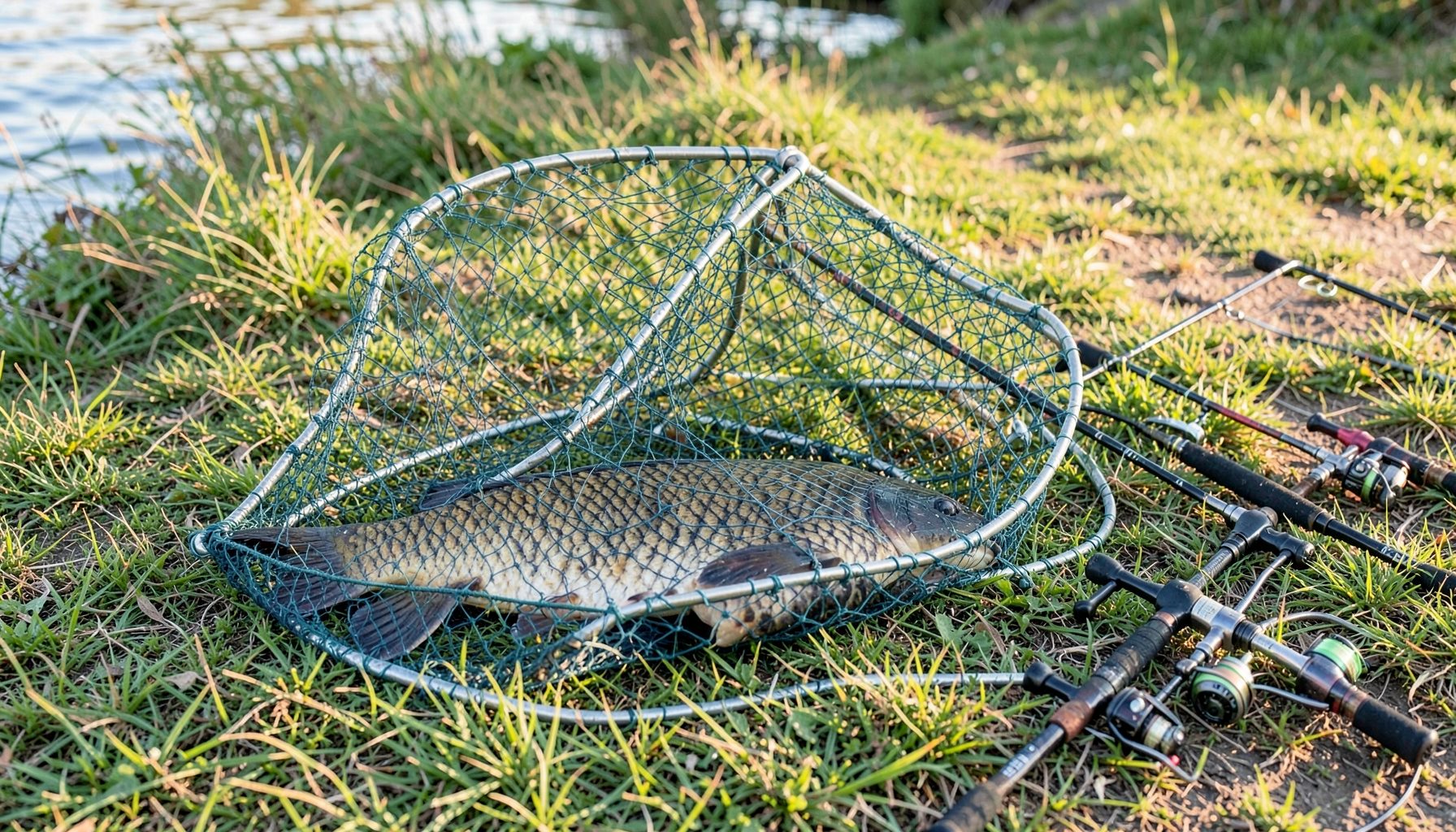
What Size Landing Net for Carp Fishing?
With warmer weather approaching, it's worth re-evaluating your carp fishing rig — starting with the right landing net size.
Carp Fishing
New to coarse fishing? You're in the right place. This collection of articles covers the fundamentals every beginner angler needs — choosing the right landing net, making your own maggots, setting up rigs for tench, tying a sliding float stop knot, and picking a reliable reel. Whether you're targeting carp, barbel, roach, perch, or silverfish, these guides are written from real experience on the bank.
Getting started in coarse fishing can feel overwhelming, but the fundamentals are more approachable than most beginners expect. The essentials boil down to a solid rod and reel combination, a handful of reliable rigs, and the right bait for the water you're fishing. Many newcomers assume they need expensive equipment to succeed, yet a modest setup paired with sound technique will catch plenty of fish. Start with the basics: learn to tie a few dependable knots, practice casting in an open area, and spend time watching how fish behave on your local waters before worrying about advanced tactics.
Choosing the right gear matters more than you might think when you first begin. A landing net that suits the size of fish you're targeting, a reel that feels comfortable in your hands, and a rod with the right action for your preferred style of fishing all make a genuine difference on the bank. The good news is that quality doesn't always mean premium prices. Reading honest reviews and recommendations from experienced anglers can help you avoid wasting money on items that look good on the shelf but perform poorly in practice. Building your kit gradually makes sense.
Bait is where many beginners get confused, but the options are simpler than they appear. Maggots remain a staple for good reason, working consistently across many species and stillwaters. Approach bait selection by considering what lives naturally in the water you're fishing and what the fish are used to eating. Experimenting with different baits and observing what produces bites is part of the learning curve. Remember that presentation often matters as much as the bait itself; a well-presented offering on a clean rig will outfish a careless cast with the most expensive bait available.
Coarse fishing rewards patience and observation more than any other quality. The anglers who catch consistently are those who study their swim, note where fish feed, and adapt their approach when conditions change. As the seasons shift and water temperatures rise or fall, fish behaviour changes too, and being flexible with your tactics keeps you in the action. Whether you're after roach and perch on the float or targeting tench and carp on the feeder, every session on the bank teaches something new. Embrace the learning process and the sport will reward you for years to come.
With warmer weather approaching, it's worth re-evaluating your carp fishing rig — starting with the right landing net size.
Carp Fishing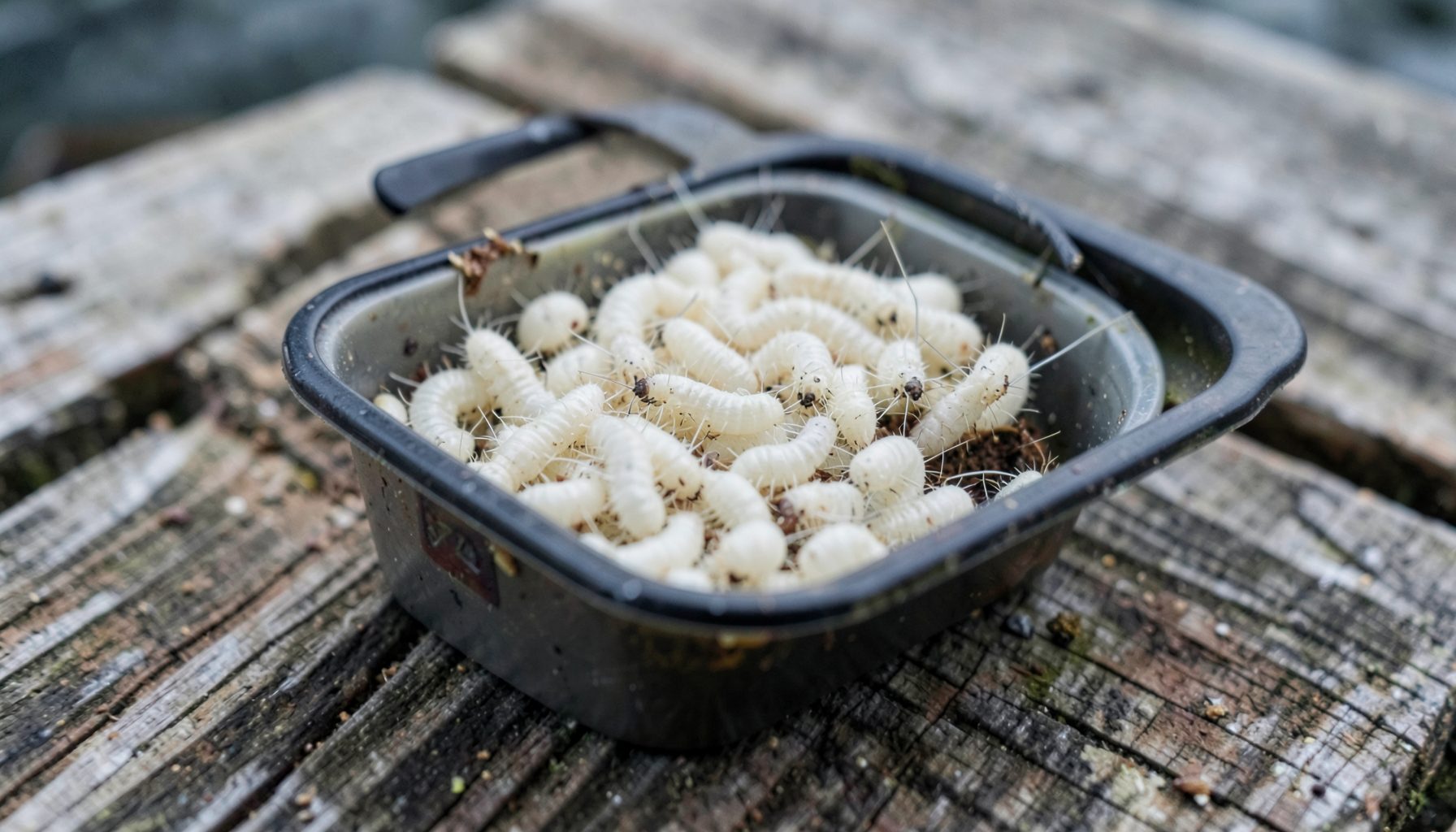
A practical guide to producing your own maggots at home — a cost-effective bait option for coarse anglers.
Baits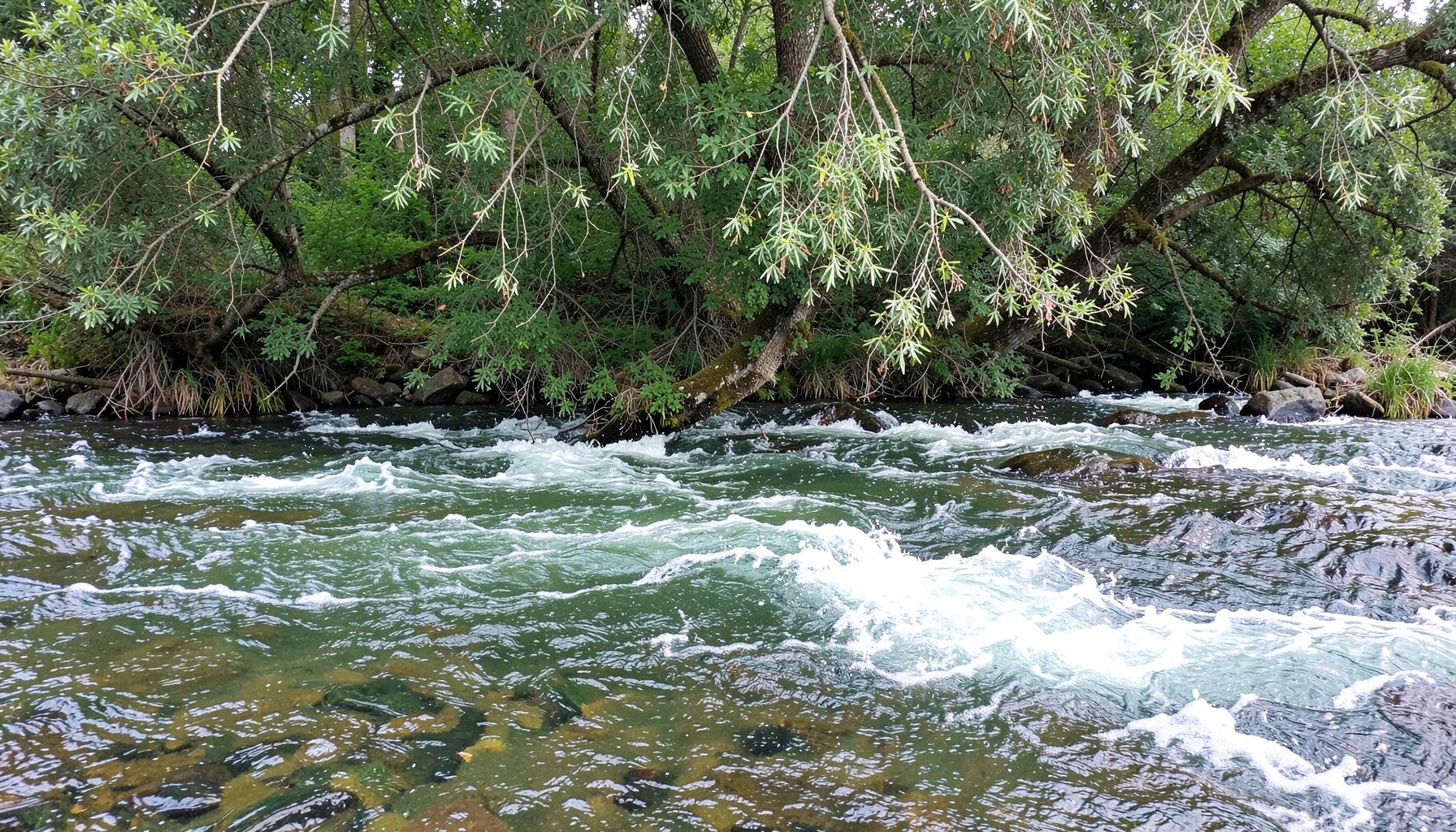
Barbel are powerful river fighters. Learn the tactics and tackle you need to target them successfully.
River Fishing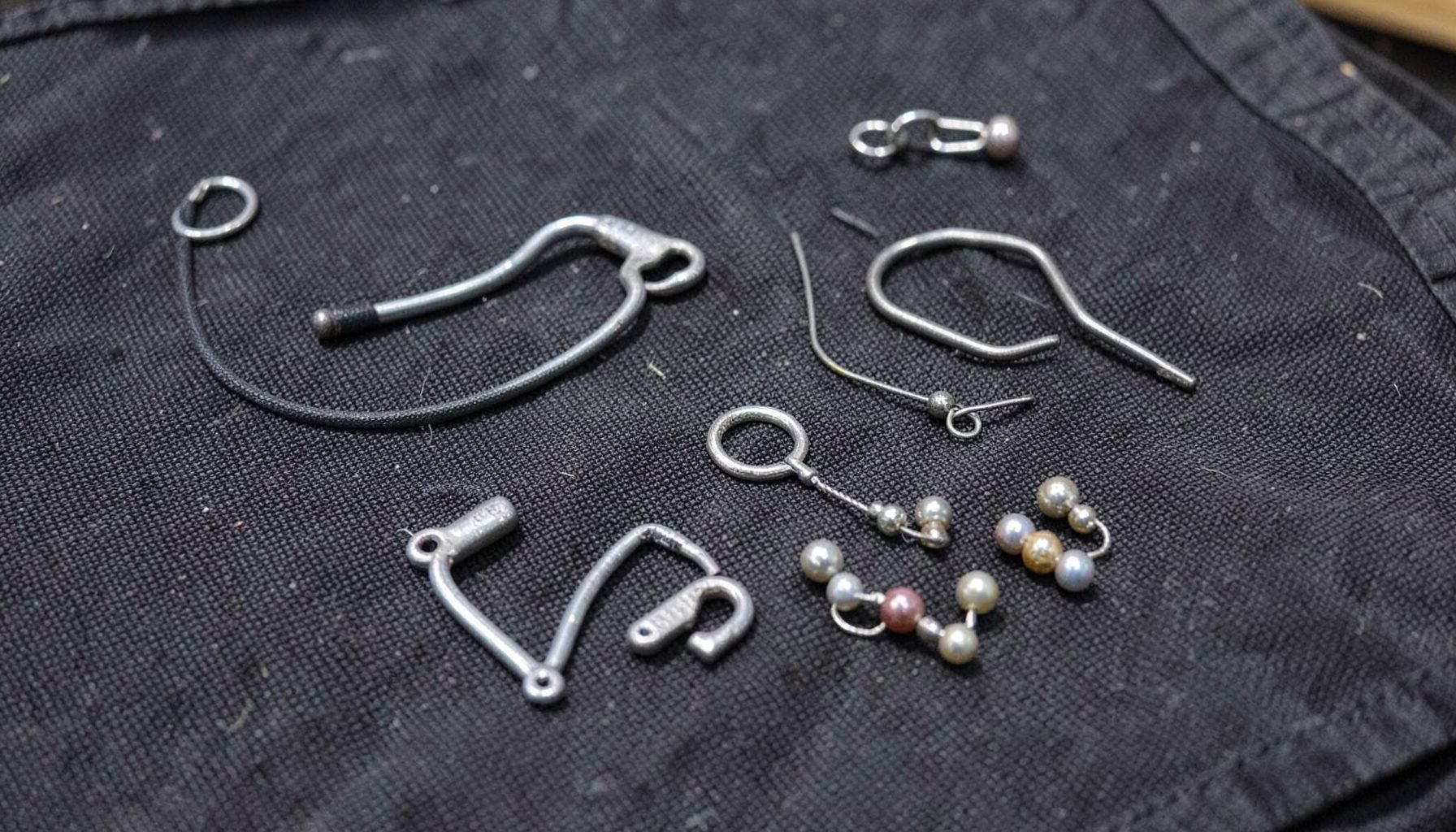
Step-by-step setup for the helicopter rig, a reliable presentation when targeting tench in weedy or silty waters.
Rigs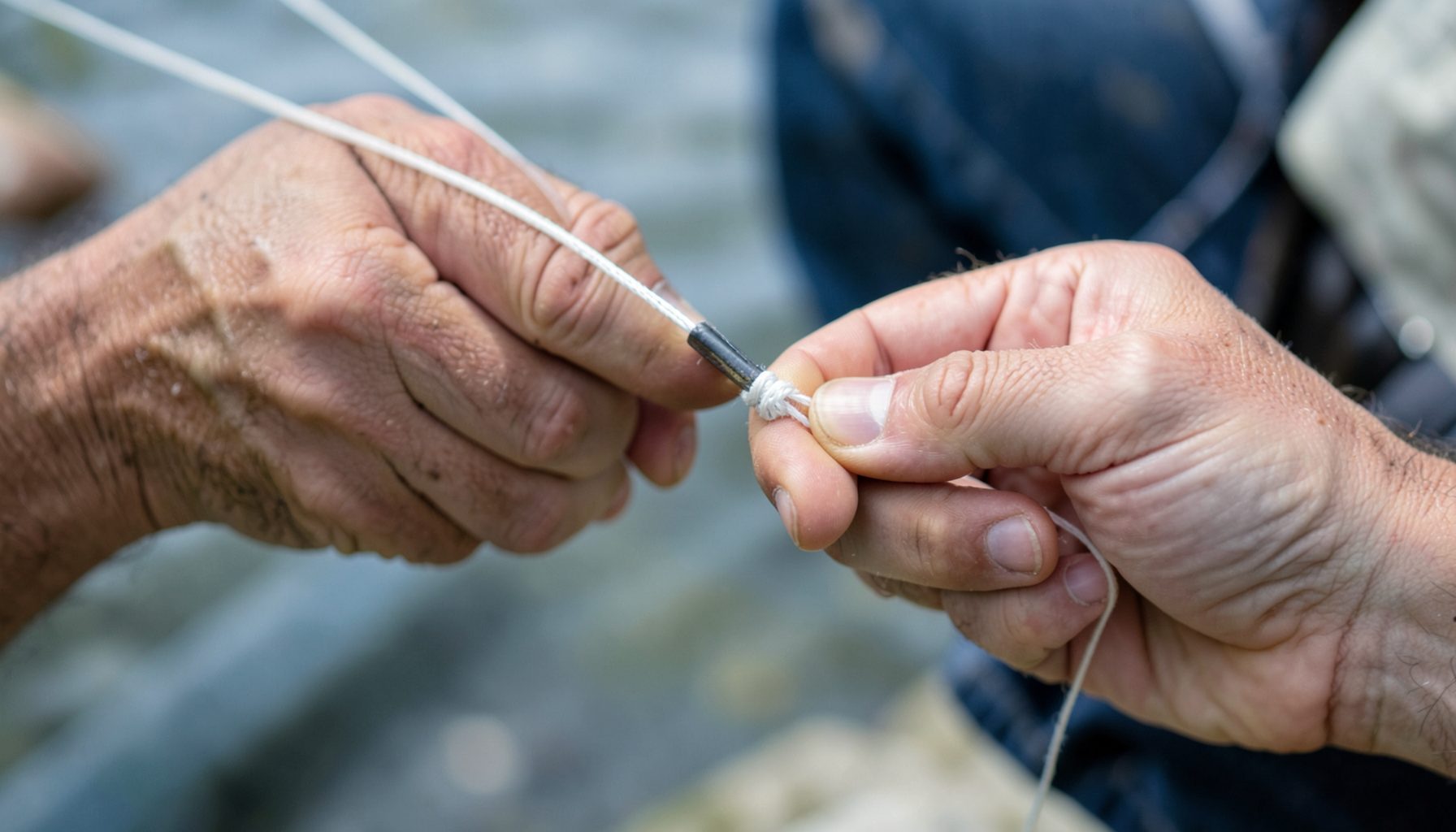
Master the sliding float stop knot — an essential skill for fishing at depth with a float rig.
Float Fishing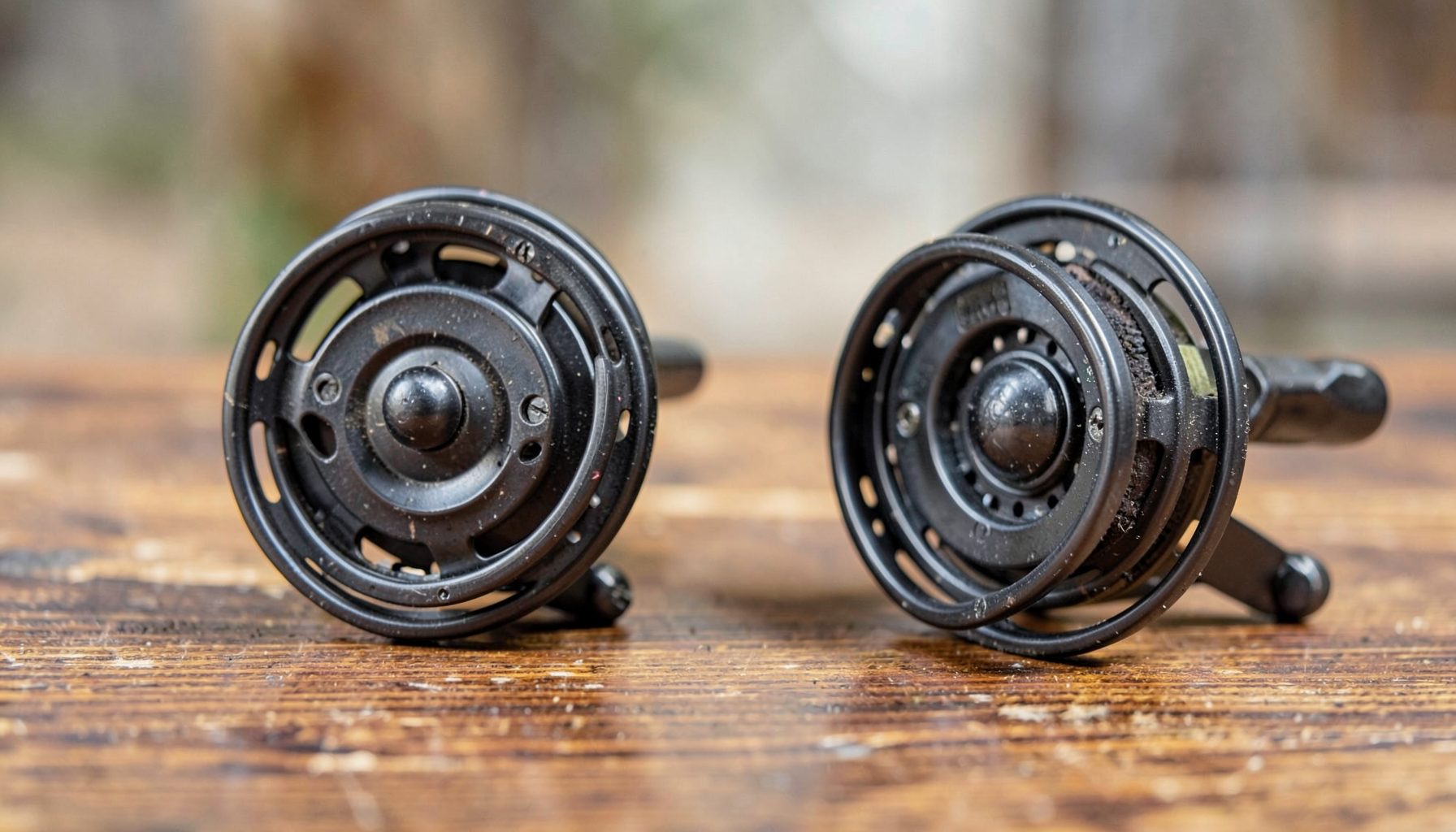
What to look for when buying your first coarse fishing reel — size, drag, gear ratio, and brand comparisons.
Tackle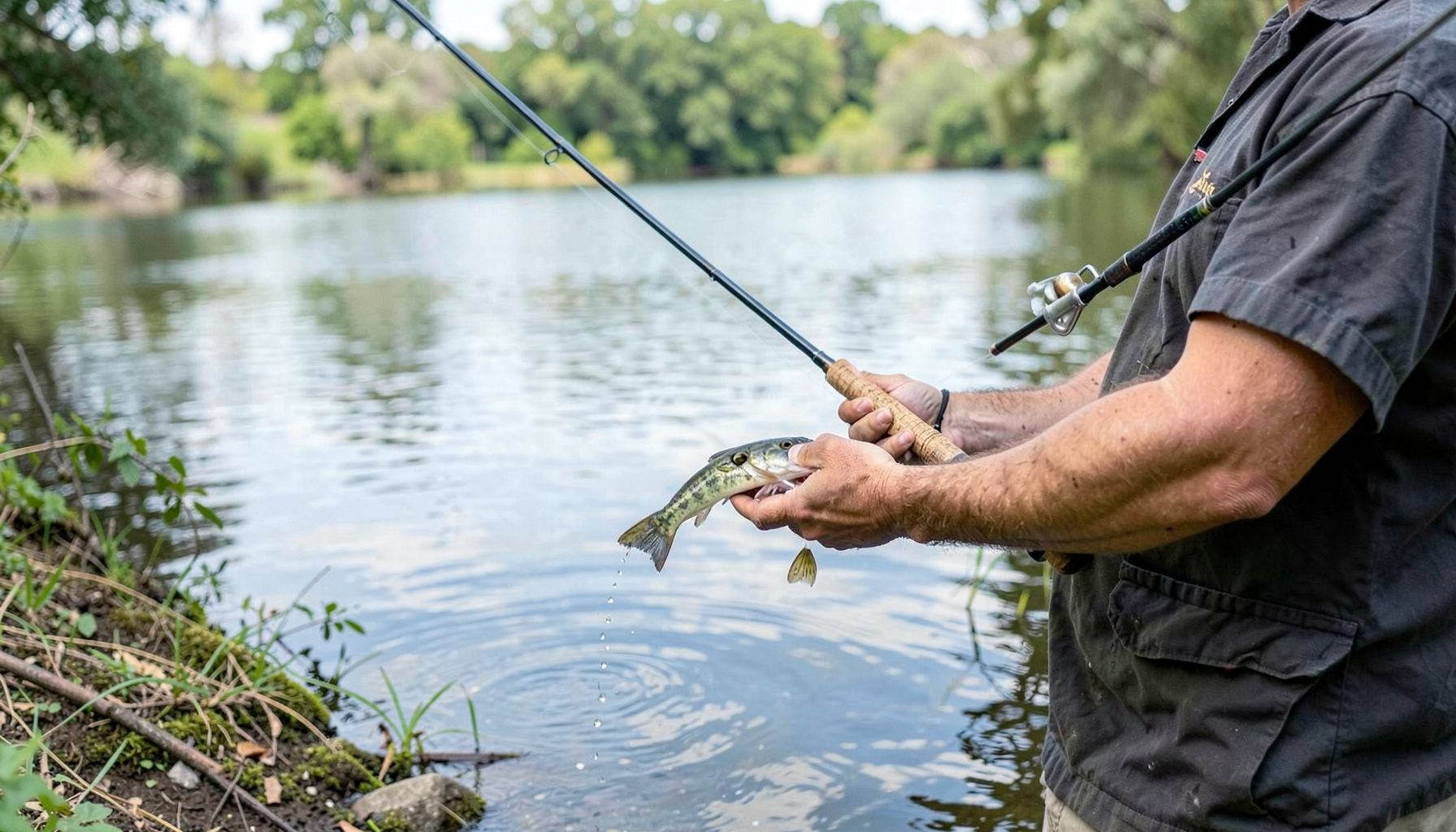
Guidance on when you can and can't keep coarse fish, plus the rules around catch-and-release in the UK.
Beginner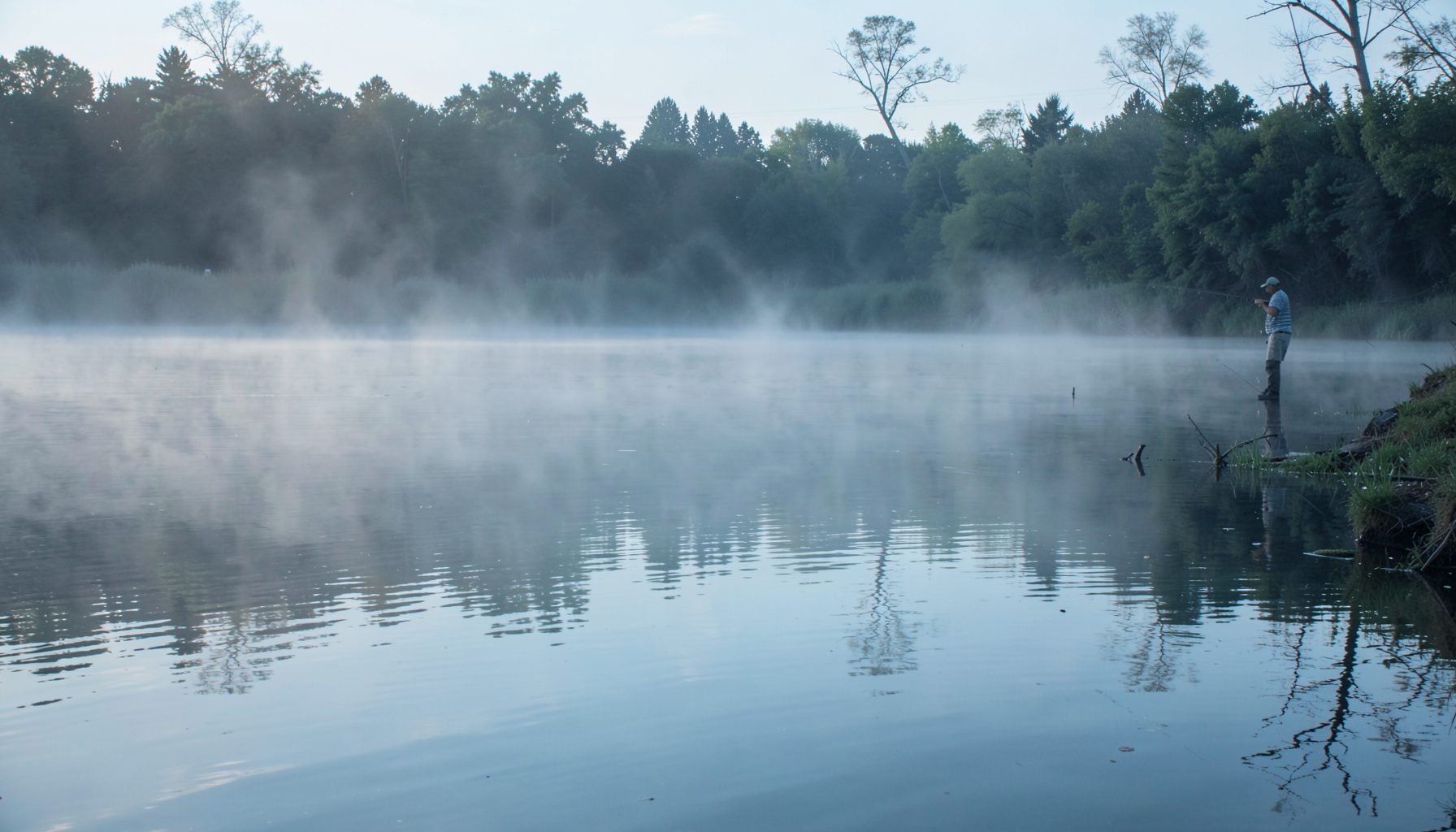
Deep man-made waters can be intimidating for pole anglers. Here's how to approach them with confidence.
Pole Fishing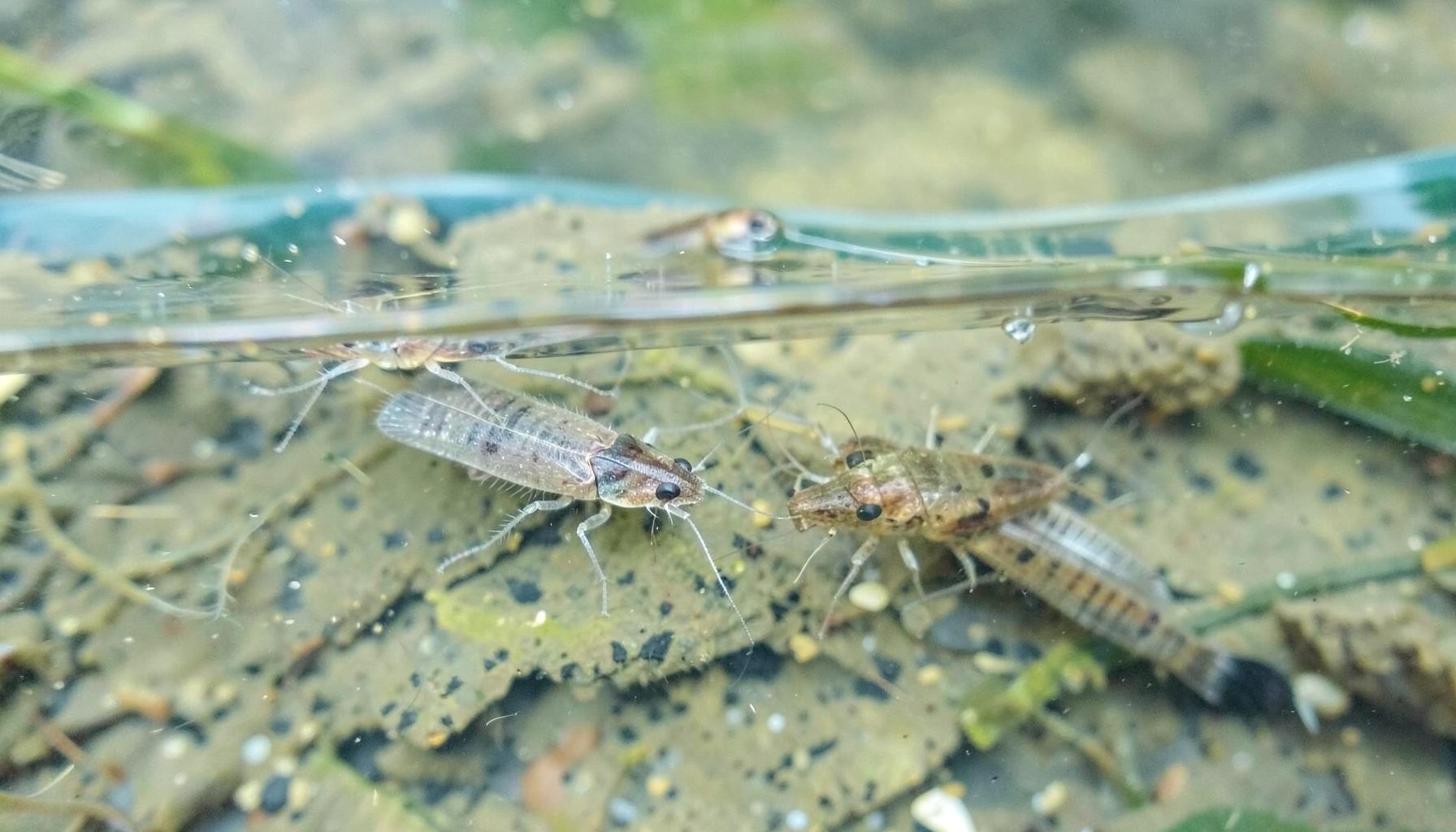
Silverfish like roach, rudd, and bream offer great sport. Learn what they are and how to put a bag together.
Species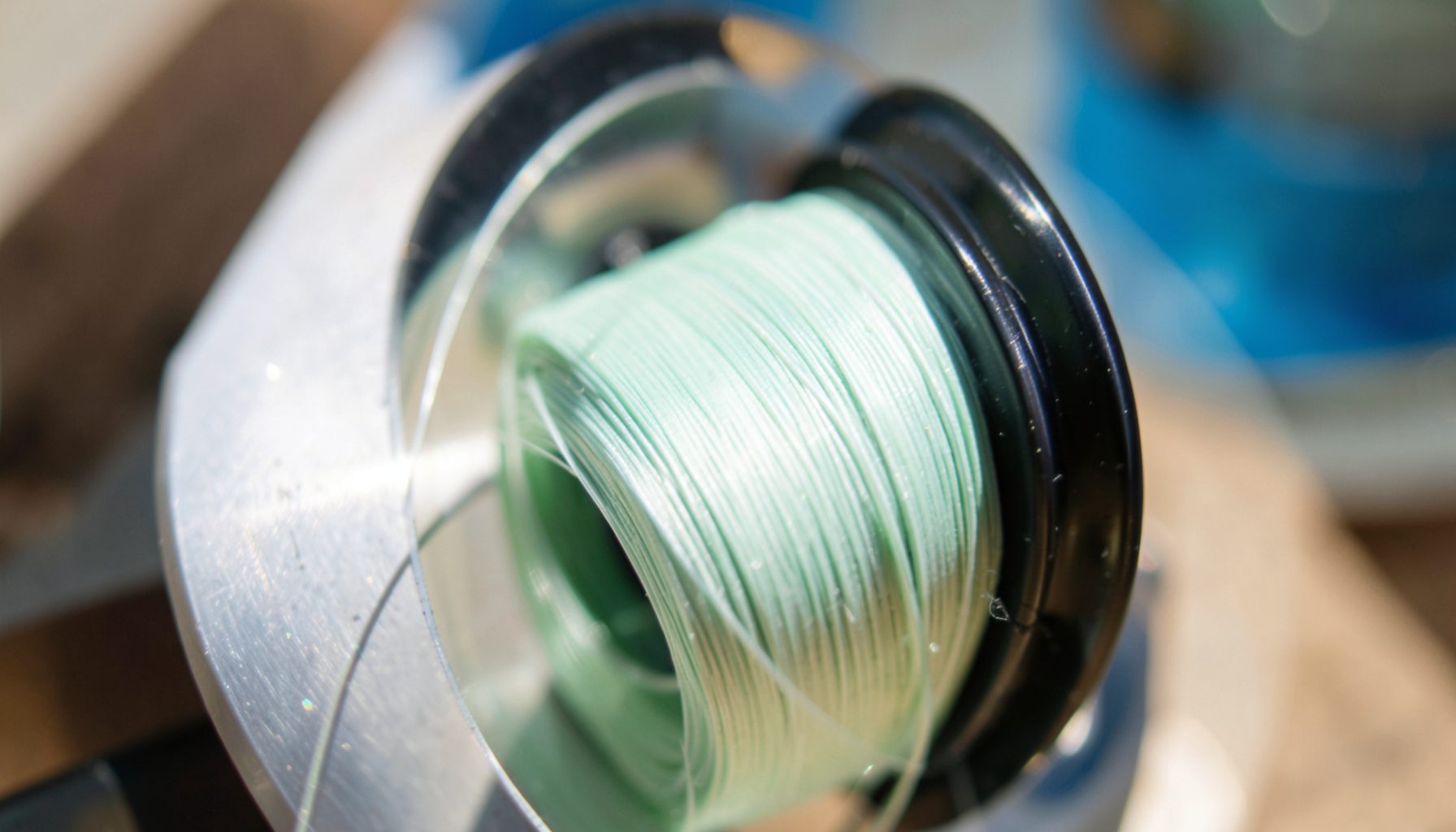
Old line costs fish. Find out how often you should replace your mainline and hooklength to stay in top form.
MaintenanceOnce you've covered the basics, explore our pole fishing tips for deep-water and feeding techniques, or browse recommended tackle — feeder rods, poles, reels, and float rods chosen through hours of research and on-the-bank testing.
Looking for tackle that won't break the bank? See our tried-and-tested recommendations.
Browse Recommended Gear